In the rapidly evolving landscape of renewable energy, Solar Irradiance Sensors (often referred to as pyranometers) have transitioned from simple meteorological tools to the fundamental "eyes" of multi-billion dollar photovoltaic (PV) assets. As the global installed solar capacity surpasses the terawatt milestone, the demand for precision, bankability, and OEM/ODM flexibility in sensor technology has reached unprecedented levels.
From the arid deserts of the Middle East to the humid offshore floating PV farms in Southeast Asia, the accuracy of solar irradiance data directly correlates with the Performance Ratio (PR) of a power plant. Modern grid operators no longer accept "estimated" production; they require real-time, high-fidelity data to manage grid stability and energy storage dispatch. This shift has placed Suzhou GeoSyn Solar Co., Ltd. and its flagship brand, ApexSolar, at the forefront of the smart energy revolution.
The solar sensor market is shifting toward ISO 9060:2018 standards. OEM partners now demand "Spectrally Flat" Class A sensors that can withstand extreme UV exposure and provide digital RS485 Modbus outputs for seamless SCADA integration.
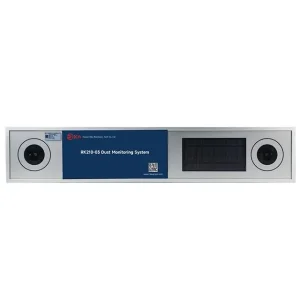
Growth is currently driven by the "Data-Driven PV" trend. Asset managers use irradiance data to detect "soiling losses"—where dust accumulation reduces efficiency. This necessitates sensors integrated with monitoring systems like the Rika RK210-03.
Financial institutions require high-quality irradiance data to validate the ROI of solar projects. Low-quality sensors lead to "uncertainty penalties" during project financing, making professional-grade OEM sensors a financial necessity.
As a premier Solar Irradiance Sensors Factory & Exporter, we understand that a one-size-fits-all approach is obsolete. Our OEM/ODM services are designed to address the localized challenges faced by solar developers across different continents.
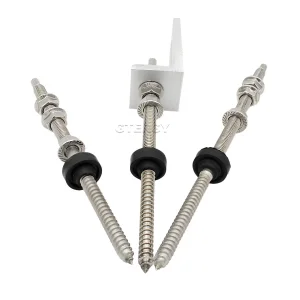
Our ODM capabilities extend to spectral response tuning for Thin-Film vs. Monocrystalline modules, housing durability for maritime environments (C5-M corrosion resistance), and specialized mounting brackets like our Corrugated Metal Roof Mounting Brackets for BIPV applications.
The future of solar measurement lies in the convergence of Artificial Intelligence (AI) and Internet of Things (IoT). Our R&D center in Suzhou is currently pioneering the next generation of irradiance sensing technologies:
Moving beyond point-measurements to "Spatial Irradiance Mapping." By using mesh networks of low-cost, high-precision IoT sensors, we can map cloud movement across a 100MW plant to predict ramp-rates 60 seconds in advance.
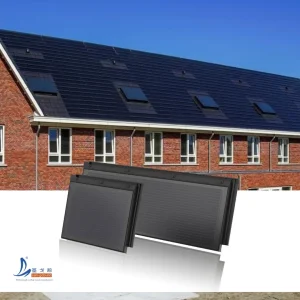
With the rise of Wonergy BIPV Solar Roof Systems and bifacial modules, measuring "Albedo" (ground-reflected light) is critical. Our new dual-sided sensors provide the data needed to optimize the rear-side gain of bifacial systems.
Future sensors will not just measure "Total Irradiance" but provide real-time spectral distribution data, allowing operators to understand how atmospheric shifts (humidity, aerosol) affect specific cell technologies like HJT or Perovskites.
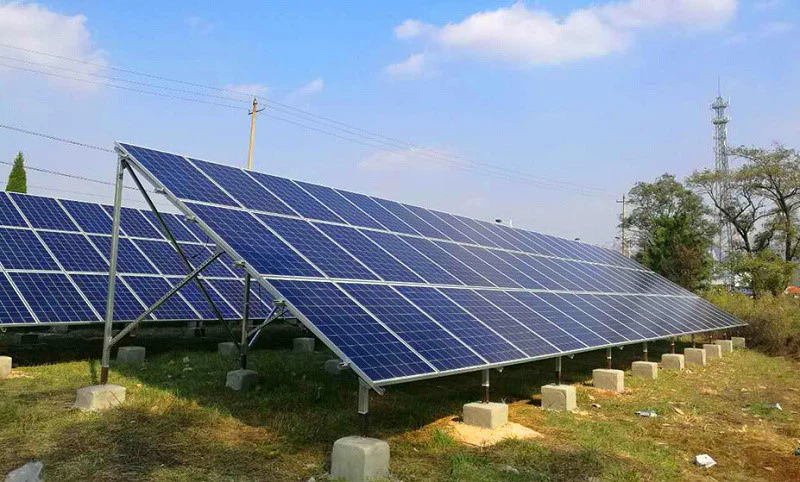
Suzhou GeoSyn Solar: Precision Manufacturing Hub
Suzhou GeoSyn Solar Co., Ltd. is a leading innovator in the solar energy sector, specializing in smart solar power systems for both residential and commercial applications. Headquartered in Suzhou, China, the company has earned a strong reputation for delivering high-performance, reliable, and sustainable solar solutions under its flagship brand, ApexSolar. By combining advanced technology with intelligent energy management, Suzhou GeoSyn Solar aims to meet the growing global demand for clean and efficient energy solutions.
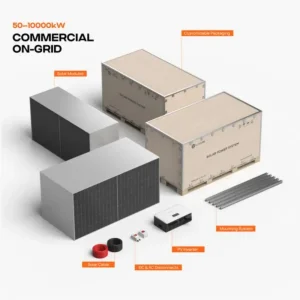
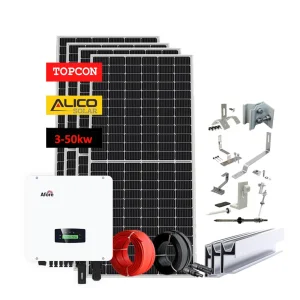
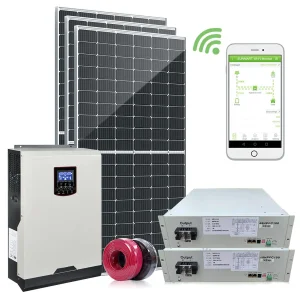
The company’s product portfolio includes residential rooftop solar systems, commercial-scale solar installations, energy storage solutions, and advanced solar monitoring platforms. Each system is designed to optimize energy generation, reduce electricity costs, and provide reliable power even in off-grid or hybrid configurations. With a focus on smart inverters, battery integration, and IoT-enabled monitoring, Suzhou GeoSyn Solar ensures that its solutions offer seamless performance, real-time diagnostics, and user-friendly operation.
In addition to product innovation, the company emphasizes sustainability, quality control, and rigorous research and development. Suzhou GeoSyn Solar collaborates closely with architects, engineers, and municipalities to deliver tailored solutions that address unique site requirements and maximize energy efficiency. Committed to advancing renewable energy adoption worldwide, Suzhou GeoSyn Solar Co., Ltd. continues to expand its global footprint, offering innovative, intelligent, and eco-friendly solar power systems that empower communities, businesses, and homes to achieve energy independence while reducing environmental impact.
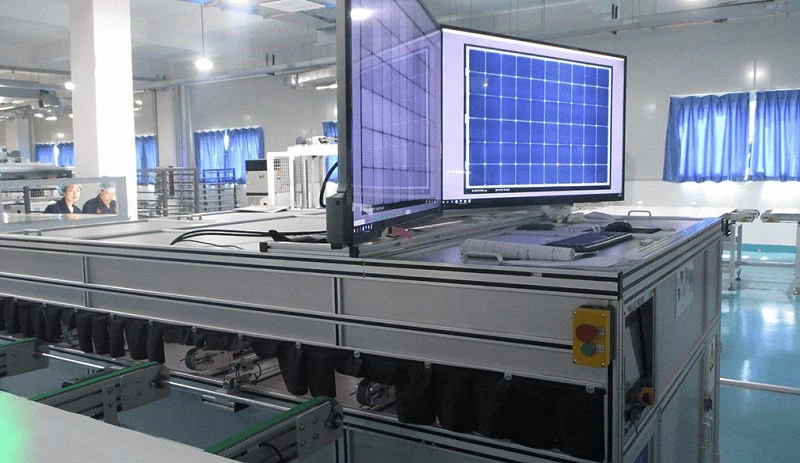
Our role as an exporter involves more than just shipping hardware; we provide holistic integration solutions that empower modern "Smart Cities" and "Microgrids."
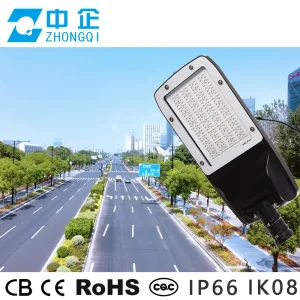
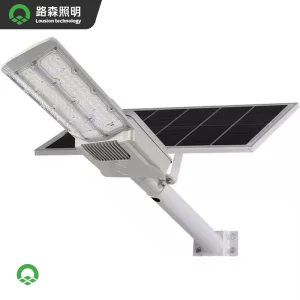
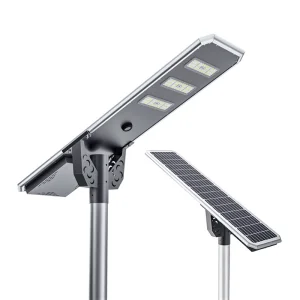
By integrating our irradiance sensors with Smart LED Street Lighting Solutions, cities can implement "Dynamic Dimming." When the sensor detects natural dusk or heavy cloud cover, it triggers the lights to ramp up, saving up to 40% in municipal energy costs.
Coupled with the Elecnova 100kw to 250kw Hybrid Inverter, our sensors provide the "forward-looking" data needed for battery management. If irradiance is predicted to drop due to cloud cover, the system can preserve battery SOC (State of Charge) to maintain critical loads.
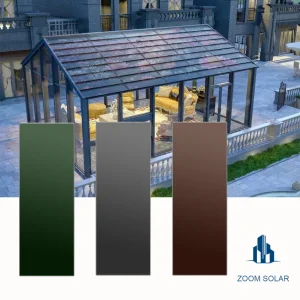
For 2025 New Thin Film BIPV Solar Modules, precision sensing is vital for building automation. Irradiance data controls automatic blinds and HVAC systems, balancing solar heat gain with energy generation.
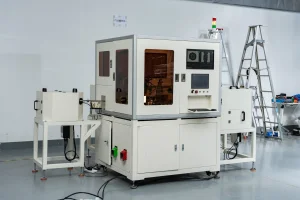
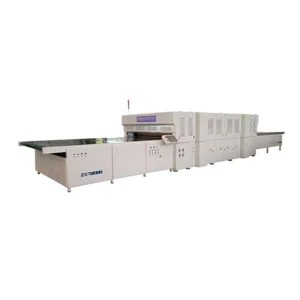
Exporting to the EU, North America, and Australia requires strict adherence to international standards. Our manufacturing plant utilizes Full Automatic PV Module Assembly Solar Cell Vacuum Lamination Machines and high-precision calibration chambers to ensure every sensor is traceable to World Radiometric Reference (WRR) standards.
Our OEM partners benefit from our rigorous testing protocols, including thermal cycling, humidity-freeze tests, and long-term stability monitoring. This commitment to quality ensures that our Solar Irradiance Sensors provide reliable data for 10-20 years, matching the lifespan of the PV modules they monitor.
Thermopile sensors (like Class A pyranometers) offer a "Spectrally Flat" response, measuring the total energy across the entire solar spectrum. Silicon sensors are faster and more cost-effective but are spectrally selective, making them ideal for monitoring specific PV technology performance like Monocrystalline modules.
Digital RS485 Modbus allows for long-distance cable runs (up to 1200m) without signal degradation. It also enables the daisy-chaining of multiple sensors (Irradiance, Temperature, Wind Speed) into a single input on the Smart Lora IoT Based Solar LED controllers or central SCADA systems.
Per ISO 9060 standards, high-precision sensors should be recalibrated every two years to account for any potential "drift" in the detector sensitivity caused by UV exposure and environmental aging.
Yes, our Solar Energy Power System for Microgrids is designed for "Strong Compatibility & Easy Integration," allowing our sensors to communicate via standardized protocols with third-party PLCs and energy management software.
 GeoSyn Solar