Advanced solutions from leading global suppliers
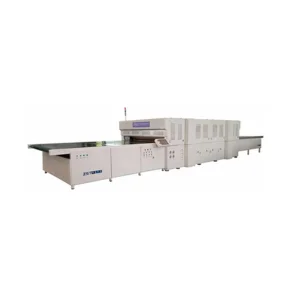 German Vacuum Pump Laminator Solar PV Module Laminating Machine
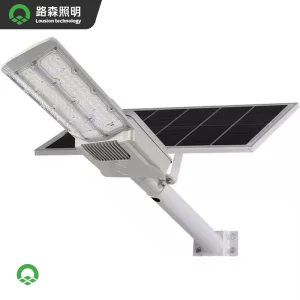 Advanced Smart LED Street Lighting Solutions for Green Cities
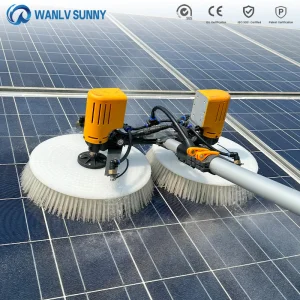 Battery-Powered Solar Panel Cleaning Brush Water-Fed Telescopic Pole
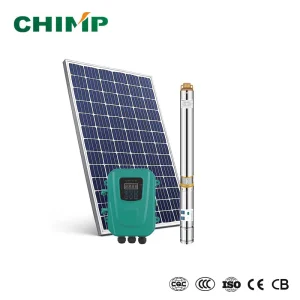 Solar High Pressure Stainless Steel Borehole Pump for Irrigation
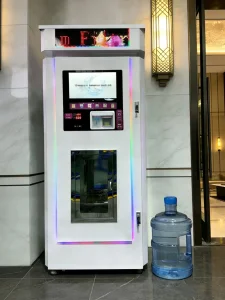 Commercial Water Vending Machine with Reverse Osmosis
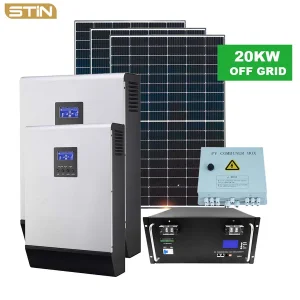 DC48V 16kw Industrial Solar Energy System Off-Grid
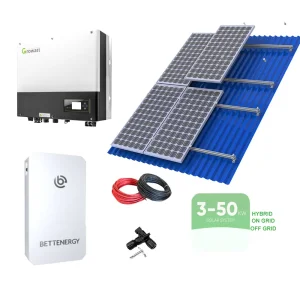 Reliable Solar Power Kit for Residential Hybrid System
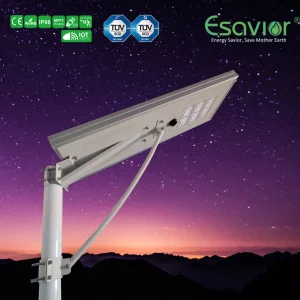 Esavior Integrated LED Solar System with IoT & CCTV
The global portable solar charger market is experiencing a radical transformation. As the world pivots toward decentralized power, the demand for high-efficiency, foldable solar panel chargers has transcended the outdoor recreation market and entered the realms of industrial logistics, emergency response, and commercial mobility.
According to recent market intelligence, the portable solar sector is projected to grow at a CAGR of 15.4% through 2030. This growth is driven by advancements in monocrystalline PERC cells, thin-film flexibility, and the integration of smart IoT monitoring. Today’s manufacturers are no longer just making "panels"; they are engineering integrated energy ecosystems.
*Data represents the high-end industrial and consumer portable solar segment.
Evaluating manufacturers based on technical innovation, supply chain stability, and information gain.
Widely recognized as the pioneer of the "Solar Generator" concept. Jackery's foldable panels are known for their ETFE lamination, providing superior light transmittance and durability compared to standard PET surfaces.
Strength: Consumer trust and global retail presence.
EcoFlow leads the industry in recharging speeds and smart integration. Their foldable panels utilize a unique shingled cell design that minimizes energy loss due to partial shading.
Strength: High-tech IoT integration and fast-charging patents.
As one of the earliest players, Goal Zero focuses on ruggedized industrial designs. Their panels are often the first choice for humanitarian missions and extreme outdoor expeditions.
Strength: Exceptional build quality and modular ecosystem.
A specialist in smart solar power systems. ApexSolar stands out for integrating IoT monitoring into residential and commercial portable kits, focusing on energy independence.
Strength: Smart energy management and custom OEM/ODM capabilities.
Bluetti differentiates itself by using high-efficiency monocrystalline cells across their entire foldable line, ensuring maximum power output per square inch.
Strength: Excellent price-to-performance ratio for B2B procurement.
Leveraging their expertise in power delivery (PD) technology, Anker’s foldable chargers are highly optimized for mobile devices and small electronics.
Strength: Compactness and electronic safety protocols.
A bridge between consumer and DIY industrial sectors. Renogy provides marine-grade foldable panels that withstand salt-water corrosion.
Strength: Specialized applications (Marine/RV).
Focused on the "Amazon-best-seller" segment but with a strong R&D arm in SunPower cell integration. Their multi-port USB designs are industry-leading.
Strength: Cost-effective high-volume manufacturing.
The leader in Amorphous Silicon (a-Si) thin-film technology. Unlike rigid cells, their panels can literally be rolled up and remain functional even if punctured.
Strength: Military-grade durability and lightweight profile.
Aggressive innovators in high-wattage foldable arrays (up to 400W). They provide the density required for heavy industrial off-grid tools.
Strength: High-wattage portable density.
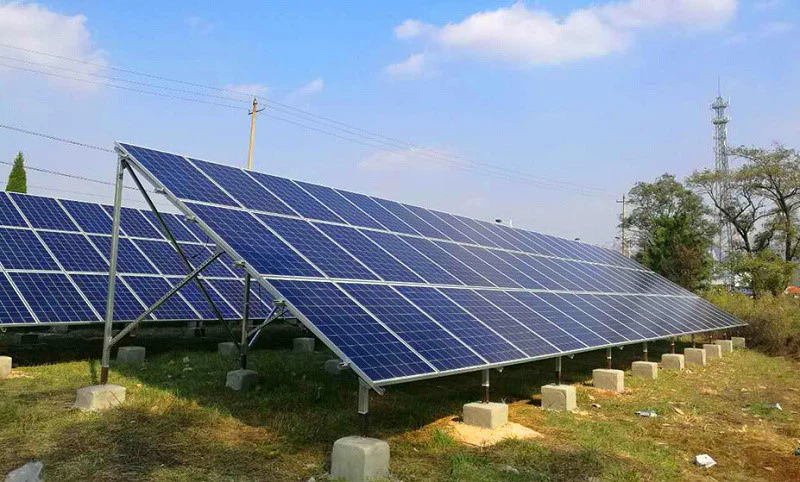
Suzhou GeoSyn Solar Co., Ltd. is a leading innovator in the solar energy sector, specializing in smart solar power systems for both residential and commercial applications. Headquartered in Suzhou, China—a global hub for PV technology—the company operates under the flagship brand, ApexSolar.
By combining advanced technology with intelligent energy management, Suzhou GeoSyn Solar aims to meet the growing global demand for clean and efficient energy solutions. Their expertise in smart inverters, battery integration, and IoT-enabled monitoring ensures that every foldable panel and solar system provides seamless performance and real-time diagnostics.
"Our mission is to empower communities and businesses to achieve energy independence through smart, eco-friendly solar power systems that reduce environmental impact while maximizing ROI."
Commercial and Industrial Evolution
We are currently in the "Third Wave" of solar adoption. The first was utility-scale, the second was residential rooftop, and the third is Mobile Photovoltaics (MPV). In regions like Southeast Asia and Sub-Saharan Africa, foldable solar chargers are not "lifestyle accessories"—they are critical infrastructure for mobile clinics and remote education centers.
Why is 90% of the top 10 list manufactured in China? It comes down to Vertical Integration. A factory in Suzhou can source glass, silicon cells, EVA film, and PCB boards within a 50-mile radius. This reduces lead times from months to weeks and allows for rapid prototyping of new designs like CIGS (Copper Indium Gallium Selenide) flexible panels.
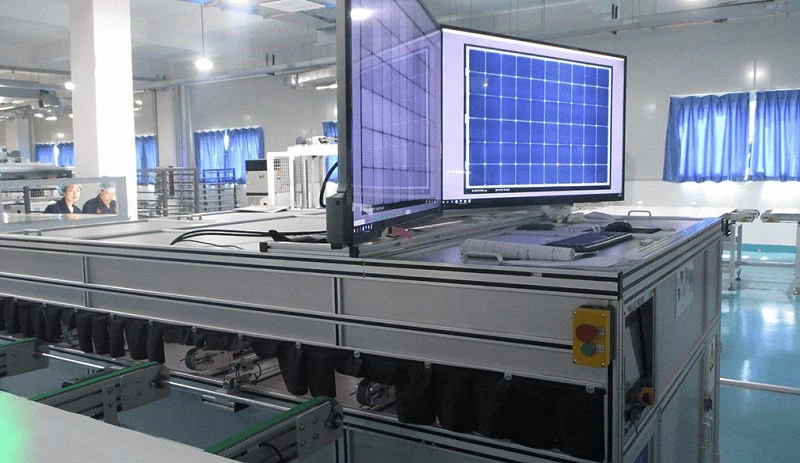
For industrial use, prioritize Power-to-Weight Ratio. Monocrystalline panels provide the best efficiency (20-23%), but thin-film CIGS is better for weight-restricted aerospace or trekking applications.
Avoid PET lamination for long-term outdoor exposure. ETFE (Ethylene Tetrafluoroethylene) is UV-resistant, self-cleaning, and has a service life of over 10 years.
Ensure the charger has an Auto-Restart function. When a cloud passes, some chargers stop charging and don't resume; intelligent ICs solve this by automatically polling the device.
Expert insights into foldable solar technology
It depends on your battery capacity. A 100W panel typically provides 400-500Wh of energy per day. If you are powering a large station (over 1000Wh), a 200W or 400W array is necessary to complete a charge within daylight hours.
Most have an IP65 or IP67 rating, meaning they can handle rain. However, the junction box (where the USB/DC ports are) is often the weak point. Always look for manufacturers that use ultrasonic welding for junction box sealing.
High-quality ETFE panels last 10-15 years. Lower-cost PET panels may begin to delaminate or "cloud" after 2-3 years of intense sun exposure.
Yes, provided the panel has a DC output (usually 18V-24V) and you have the correct adapter, or if it features a USB-C PD (Power Delivery) port capable of 65W or more.
Explore our full range of renewable energy equipment
 Customizable Stainless Steel Solar-Powered Buoy
 Flat Roof Photovoltaic Solar Panel Mounting System
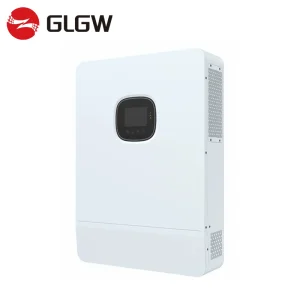 Wholesale 3-Phase Power Inverter 8kw-12kw Dual MPPT
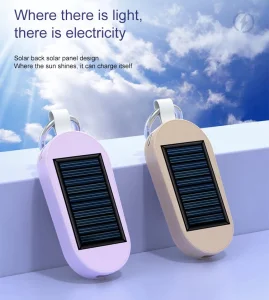 Portable Small Solar Cell Phone Charger Key Chain
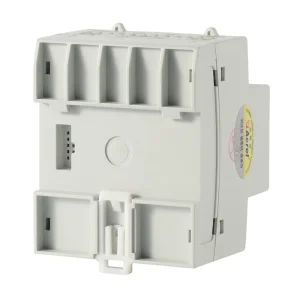 Acrel DC Energy Meter with RS485 Modbus-RTU
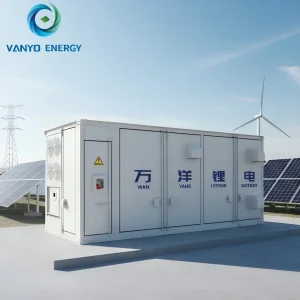 Vanyo BESS Battery Storage System 1mwh-5mwh Container
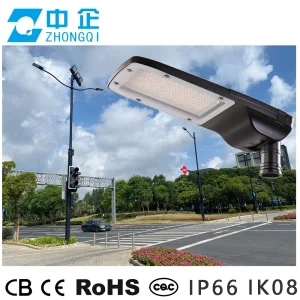 Hot Sale IoT Solar Street Light with Motion Sensor
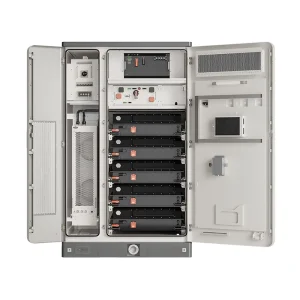 In Stock Europe 233kwh Lithium Battery Energy System
Suzhou GeoSyn Solar Co., Ltd. (ApexSolar) remains committed to advancing renewable energy adoption worldwide. By choosing the right manufacturing partner, businesses can achieve energy independence, reduce costs, and lead the transition to a sustainable global economy.
 GeoSyn Solar