Explore our top-tier tier-1 integrated systems, engineered for resilience, high conversion efficiency, and international grid compliance.
Suzhou GeoSyn Solar Co., Ltd. is a leading innovator in the solar energy sector, specializing in smart solar power systems for both residential and commercial applications. Headquartered in Suzhou, China, the company has earned a strong reputation for delivering high-performance, reliable, and sustainable solar solutions under its flagship brand, ApexSolar. By combining advanced technology with intelligent energy management, Suzhou GeoSyn Solar aims to meet the growing global demand for clean and efficient energy solutions.
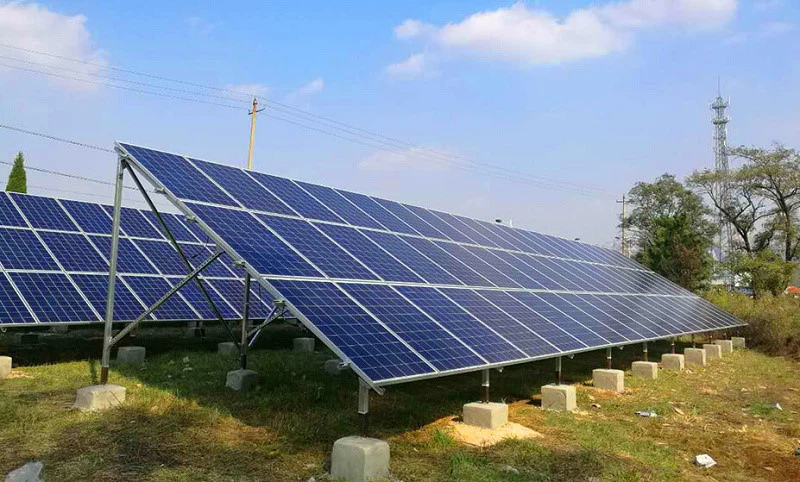
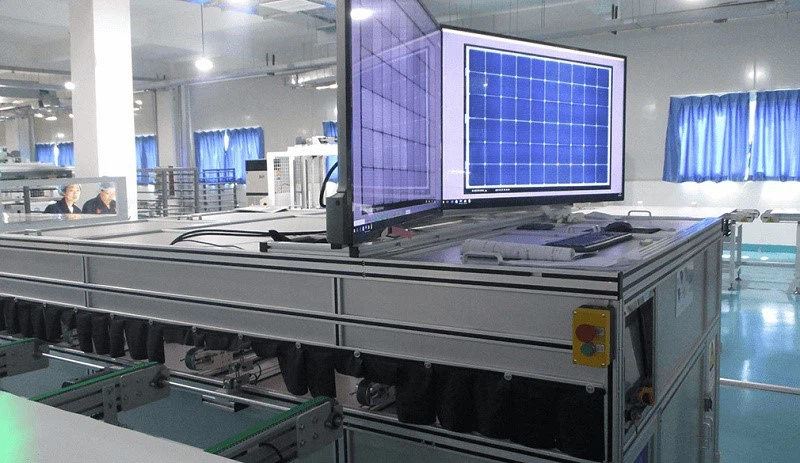
The company’s product portfolio includes residential rooftop solar systems, commercial-scale solar installations, energy storage solutions, and advanced solar monitoring platforms. Each system is designed to optimize energy generation, reduce electricity costs, and provide reliable power even in off-grid or hybrid configurations. With a focus on smart inverters, battery integration, and IoT-enabled monitoring, Suzhou GeoSyn Solar ensures that its solutions offer seamless performance, real-time diagnostics, and user-friendly operation.
In addition to product innovation, the company emphasizes sustainability, quality control, and rigorous research and development. Suzhou GeoSyn Solar collaborates closely with architects, engineers, and municipalities to deliver tailored solutions that address unique site requirements and maximize energy efficiency.
Committed to advancing renewable energy adoption worldwide, Suzhou GeoSyn Solar Co., Ltd. continues to expand its global footprint, offering innovative, intelligent, and eco-friendly solar power systems that empower communities, businesses, and homes to achieve energy independence while reducing environmental impact.
The acceleration of global energy transition has placed China at the epicenter of sustainable energy hardware manufacturing. Driven by robust industrial clusters, dense raw material supply chains, and decades of focused research and development, Chinese factories provide unparalleled cost efficiencies, manufacturing scalability, and technological innovation. For international EPC (Engineering, Procurement, and Construction) contractors, project developers, and B2B distributors, partnering directly with Chinese manufacturers like Suzhou GeoSyn Solar Co., Ltd. (ApexSolar) delivers a decisive strategic advantage.
China commands over 80% of global capacity across every key segment of the solar photovoltaic and battery storage manufacturing chain—from polysilicon refining, wafer slicing, and TOPCon/HJT cell fabrication, to LiFePO4 (Lithium Iron Phosphate) cell synthesis and containerized BESS assembly. The proximity of ApexSolar's Suzhou manufacturing hubs to Tier-1 raw material suppliers in the Yangtze River Delta guarantees uninterrupted component sourcing, stringent quality control, and minimal inland transit costs.
The modern sustainable energy exporter no longer competes solely on price-per-watt. The paradigm has shifted toward complete system architecture, intelligence, and long-term reliability. Advanced OEM/ODM capabilities now incorporate AI-driven Energy Management Systems (EMS), cloud telemetry, high-voltage battery racks (1000V–1500V DC architectures), and grid-forming hybrid inverters capable of black-start execution. This evolution enables global buyers to procure turn-key infrastructure capable of operating under harsh localized conditions.
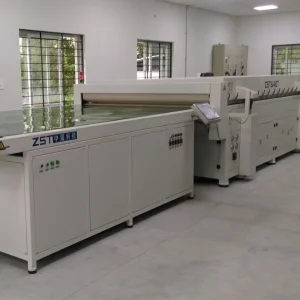
Automated stringing, German vacuum laminating line processes (ZST), 3D electroluminescence (EL) testing, and strict ISO9001/14001 compliance guarantee zero micro-cracks and low annual degradation.
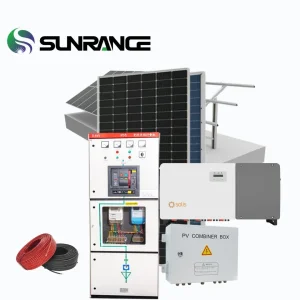
By pairing high-density cell packing with intelligent hybrid converters (PCS), our utility and commercial systems lower total lifecycle cost of energy (LCOE) by up to 22% compared to traditional configurations.
Cloud-native monitoring platforms enable remote firmware updates (OTA), real-time cell balancing diagnostics, predictive battery maintenance, and seamless VPP (Virtual Power Plant) integration.
Procuring commercial and utility-scale solar hardware from international markets requires meticulous evaluation of extended warranties, thermal safety, regulatory compliance, and supply chain transparency. B2B purchasers must balance initial capital expenditures (CAPEX) with long-term operational costs (OPEX).
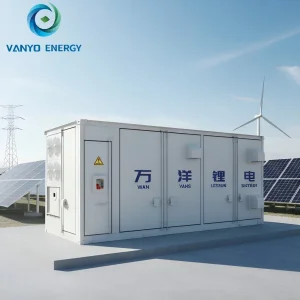
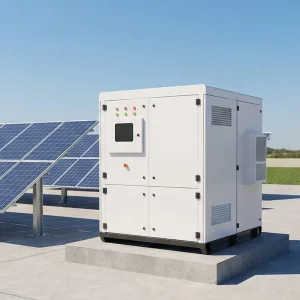
Battery Energy Storage Systems (such as 1MWh, 3MWh, and 5MWh containerized solutions) demand multi-stage safety protection. ApexSolar incorporates Tier-1 LiFePO4 chemistries known for inherently high thermal stability (decomposition temperature >270°C). Containerized systems are engineered with integrated aerosol fire suppression, automated nitrogen flooding, cell-level temperature tracking, and HVAC/Liquid cooling systems that maintain intra-cabinet thermal variance within ≤2.5°C, eliminating hotspots and extending cycle life.
International financiers and insurance underwriters require rigorous proof of performance. Tier-1 Chinese exporters provide comprehensive performance warranties: typically 12–15 years for mechanical components, 25–30 years linear power output performance for PV modules, and 5,000–8,000 cycles for industrial LiFePO4 batteries. Product liability insurance backed by top-tier global underwriters ensures risk transfer security for institutional investors.
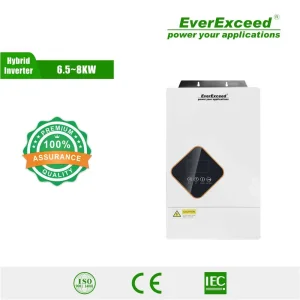
Off-the-shelf equipment rarely meets the precise microgrid requirements of specialized environments. Exporters offer deep modular structural and electrical tailoring—ranging from IP65-rated single-phase 5kW hybrid inverters for residential applications to 600kW three-phase off-grid power stations optimized for high-dust desert terrains or high-salinity marine environments (e.g., stainless steel wave monitoring buoys).
Grid interconnection standards vary significantly across geographic regions. Successful global deployment demands that factories build native compliance directly into equipment firmware and hardware architectures. The table below outlines key compliance frameworks supported by ApexSolar products for worldwide deployment:
| Target Region | Grid Code & Standard | Safety & EMC Certifications | Technical Requirement Focus |
|---|---|---|---|
| North America (US/Canada) | IEEE 1547-2018, Rule 21 (California) | UL 1741 SB, UL 9540, UL 9540A, UL 1973 | Rapid shutdown compliance (NEC 2020), anti-islanding, thermal runaway fire propagation testing. |
| European Union | EN 50549-1/2, VDE-AR-N 4105, RfG compliant | CE, IEC 62619, IEC 62109-1/-2, EU Battery Reg 2023/1542 | Low Voltage Directive (LVD), EU Carbon Border Adjustment (CBAM) carbon footprint tracking, reactive power control. |
| Australia & Pacific | AS/NZS 4777.2:2020 | CEC Listed, AS/NZS 5139 (Battery Safety) | DRM (Demand Response Mode) integration, extreme weather UV resistance, high-temperature derating limits. |
| Latin America & MEA | Local Utility Grid Codes / Off-Grid Codes | IEC 61215, IEC 61730, IP65/IP67 ingress ratings | Sandstorm resistance, high-ambient cooling (up to +55°C), wide input voltage window for weak grids. |
Liquid-cooled energy storage containers are rapidly displacing traditional air-cooled units in wholesale exports. Liquid cooling offers 40% higher energy density, cuts auxiliary energy consumption by 30%, and limits internal battery cell temperature differences to within 2°C, substantially extending overall system lifespan.
As traditional fossil-fuel thermal plants are retired, renewable energy systems must provide grid inertia. Grid-forming hybrid inverters emulate synchronous generators, establishing voltage and frequency stability in islanded microgrids or weak rural power grids.
N-Type TOPCon technology has achieved mass production cell efficiencies exceeding 25.5%. Tandem cell architectures are on track to break through the theoretical 30% silicon efficiency limit, drastically increasing power output per square meter.
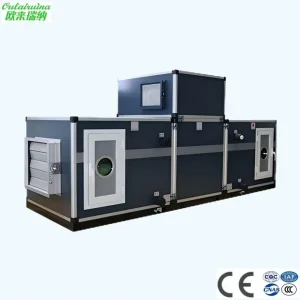
Explore heavy-duty racking hardware, mobile surveillance units, solar pumping kits, and commercial HVAC climate solutions.
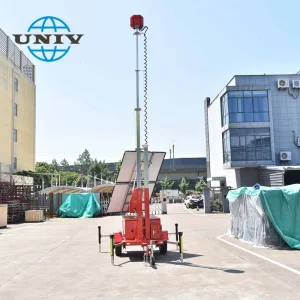
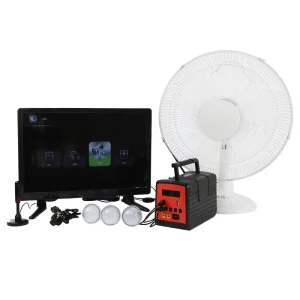
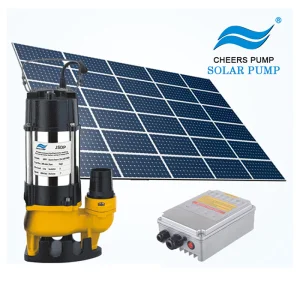
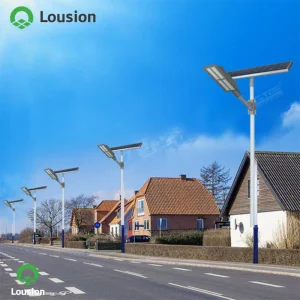
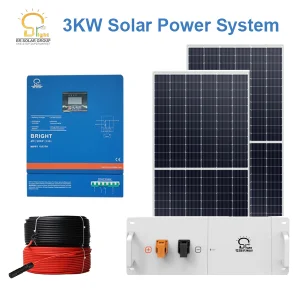
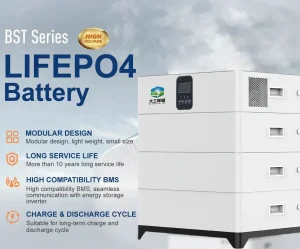
Sustainable energy hardware must operate reliably across diverse geographical settings—from high-humidity coastal zones to isolated high-altitude microgrids.
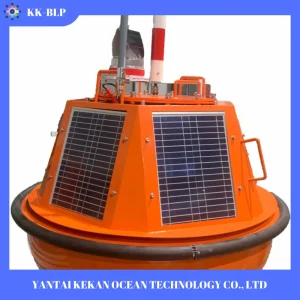
In offshore environmental research, uninterrupted continuous power is paramount. Products such as the Customizable Stainless Steel Solar-Powered Wave Spectrum Buoy utilize marine-grade 316L stainless steel enclosures, IP68 hermetic sealing, and high-efficiency mono-PERC/TOPCon solar rings coupled with deep-cycle LiFePO4 packs. This architecture guarantees non-stop telemetry transmission even during extended multi-week monsoon cloud coverage.
Commercial facilities in regions with unstable utility grids face severe operational disruptions. By pairing high-capacity hybrid converters (such as 50kW–200kW PCS units) with rooftop PV arrays and Commercial Central Rooftop Packaged HVAC units, enterprises achieve peak shaving during high-tariff hours and maintain 100% cooling continuity during utility grid outages.
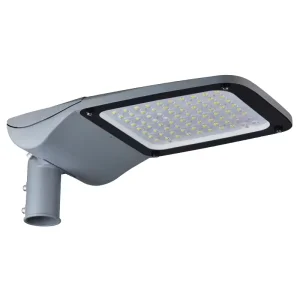
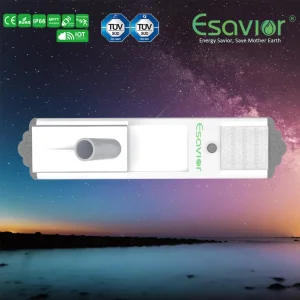
Urban infrastructure modernization relies heavily on IoT-connected solar fixtures. Solar street lighting integrated with Zigbee/LoRaWAN remote gateways allows municipal engineers to monitor battery state-of-charge (SOC), schedule adaptive dimming curves based on pedestrian traffic, and receive predictive maintenance alerts—reducing citywide municipal maintenance expenses by over 60%.
Detailed technical and commercial answers for international buyers, EPC contracts, and distributors.
 GeoSyn Solar