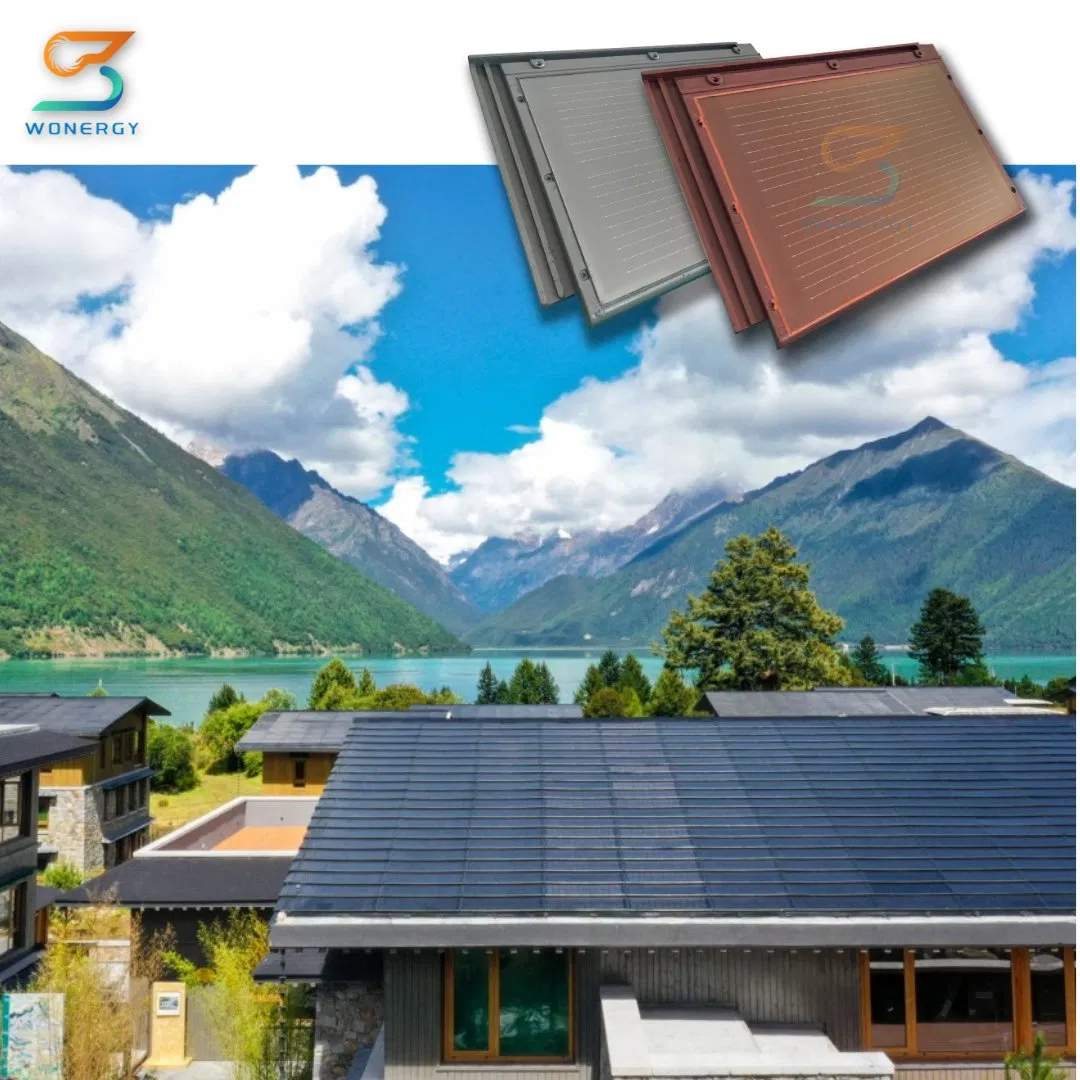
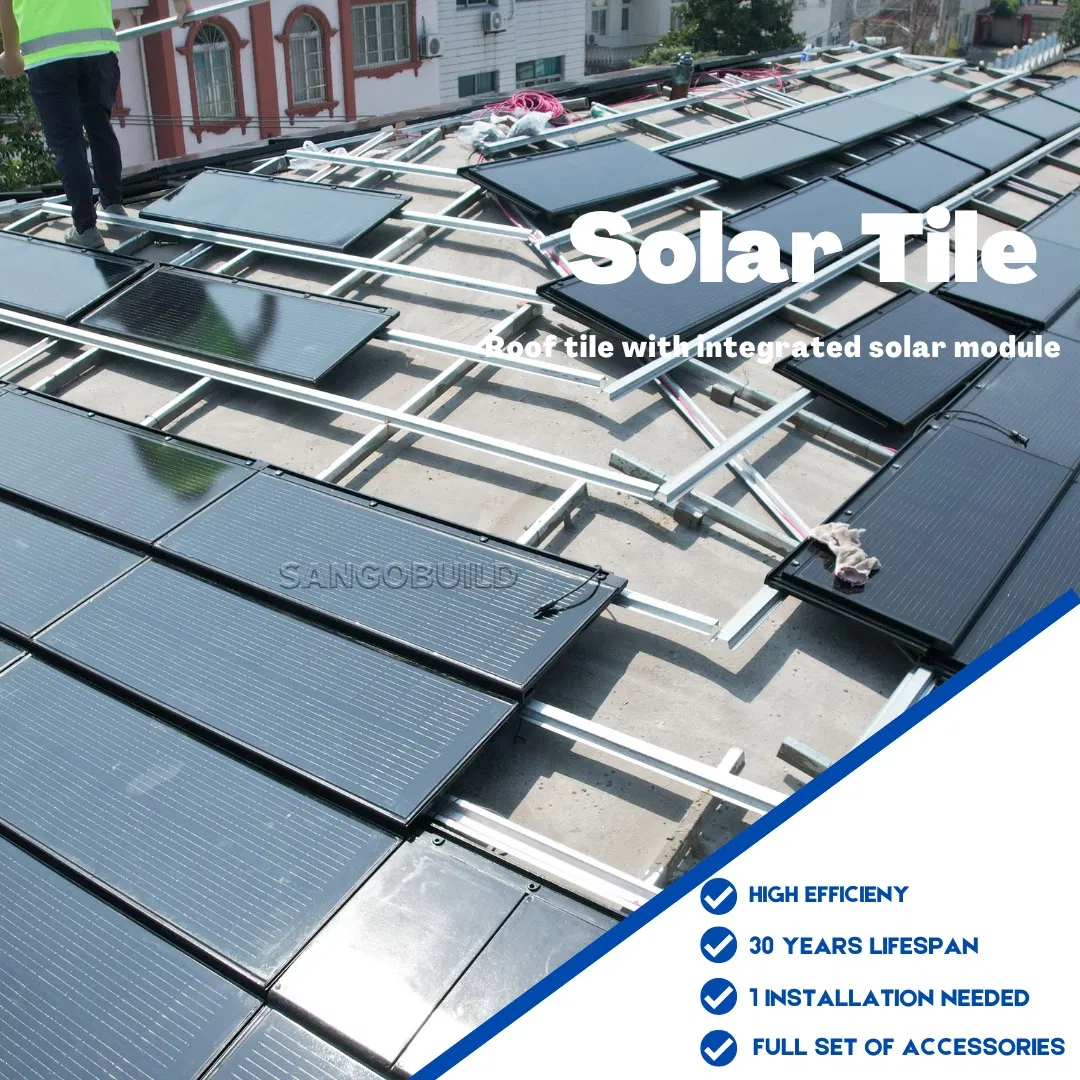
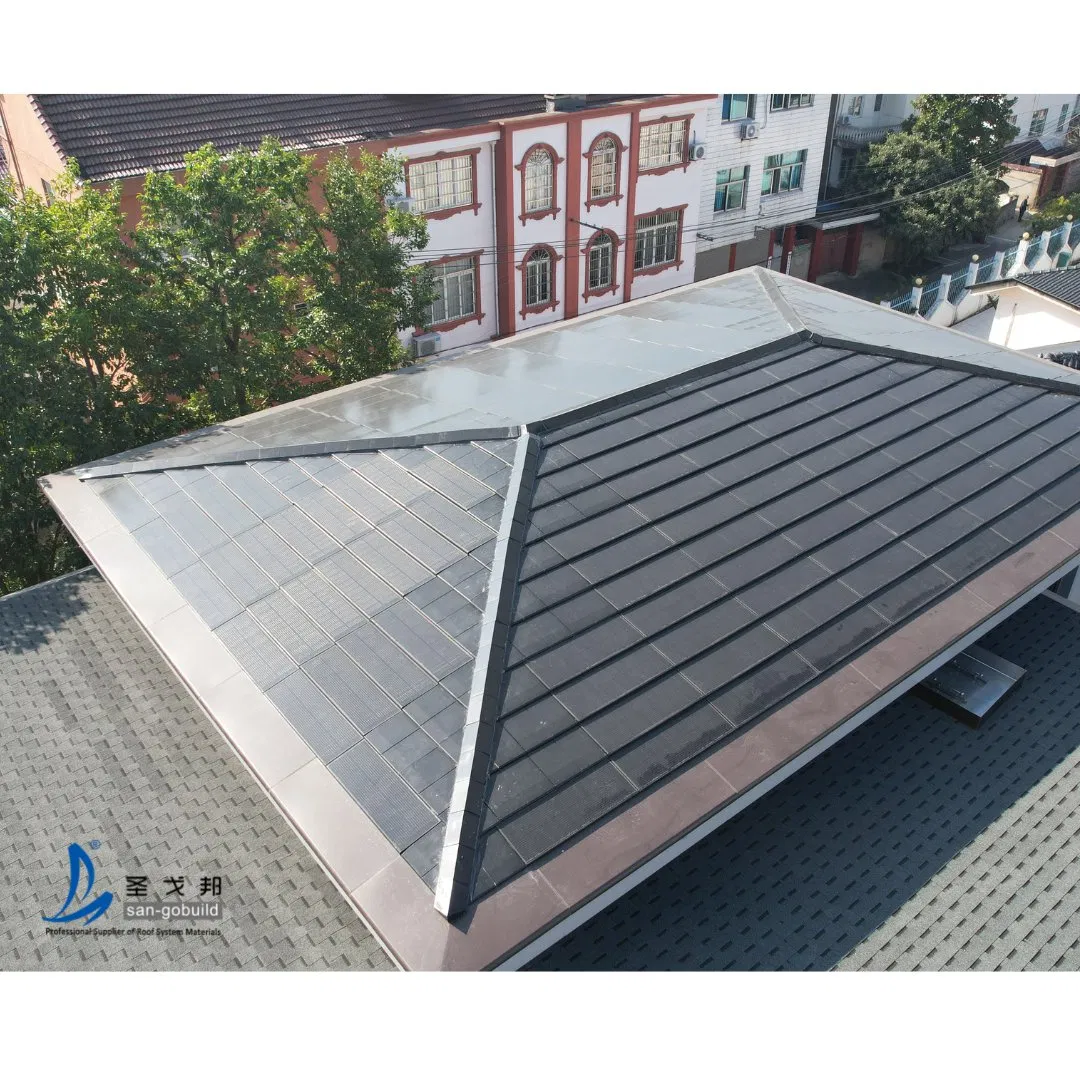
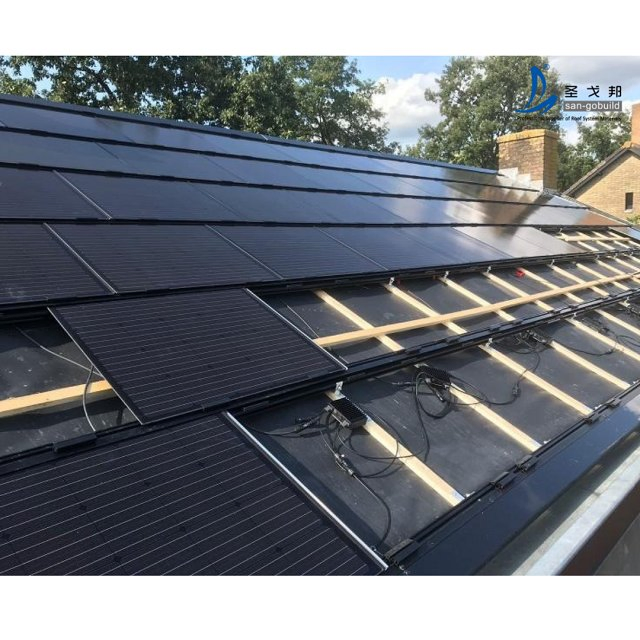
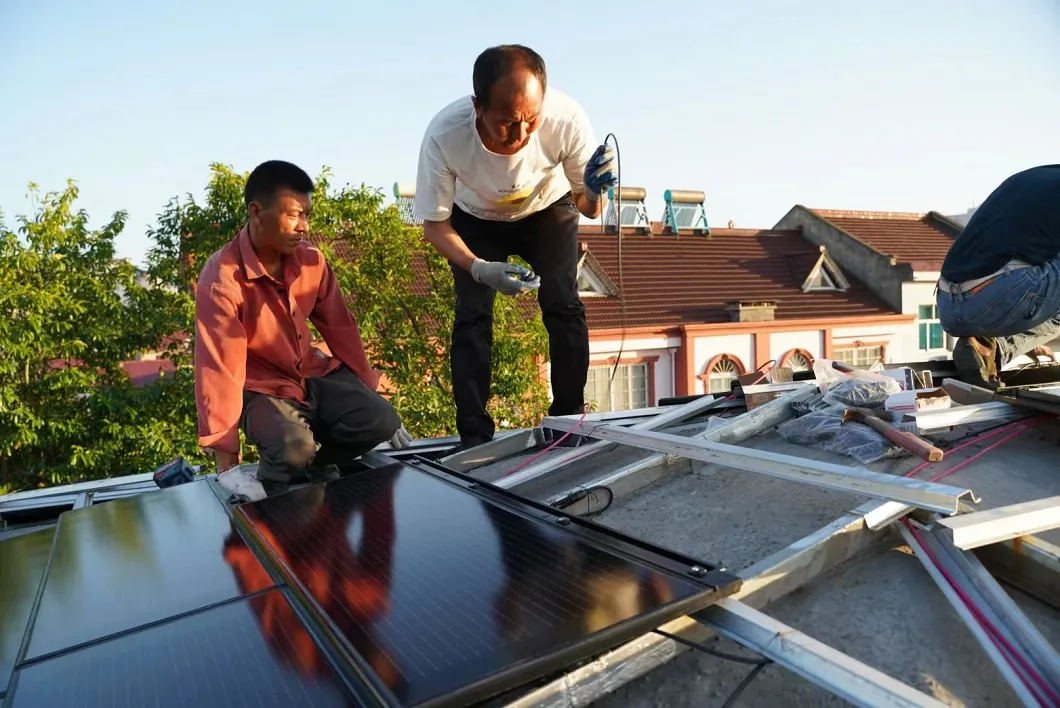
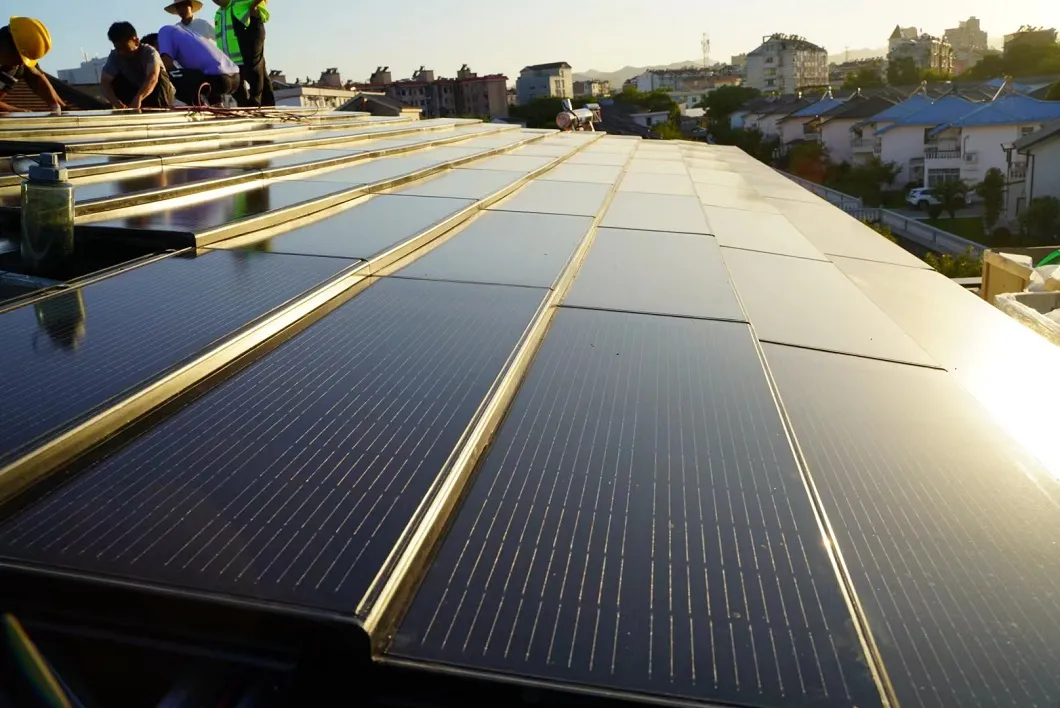
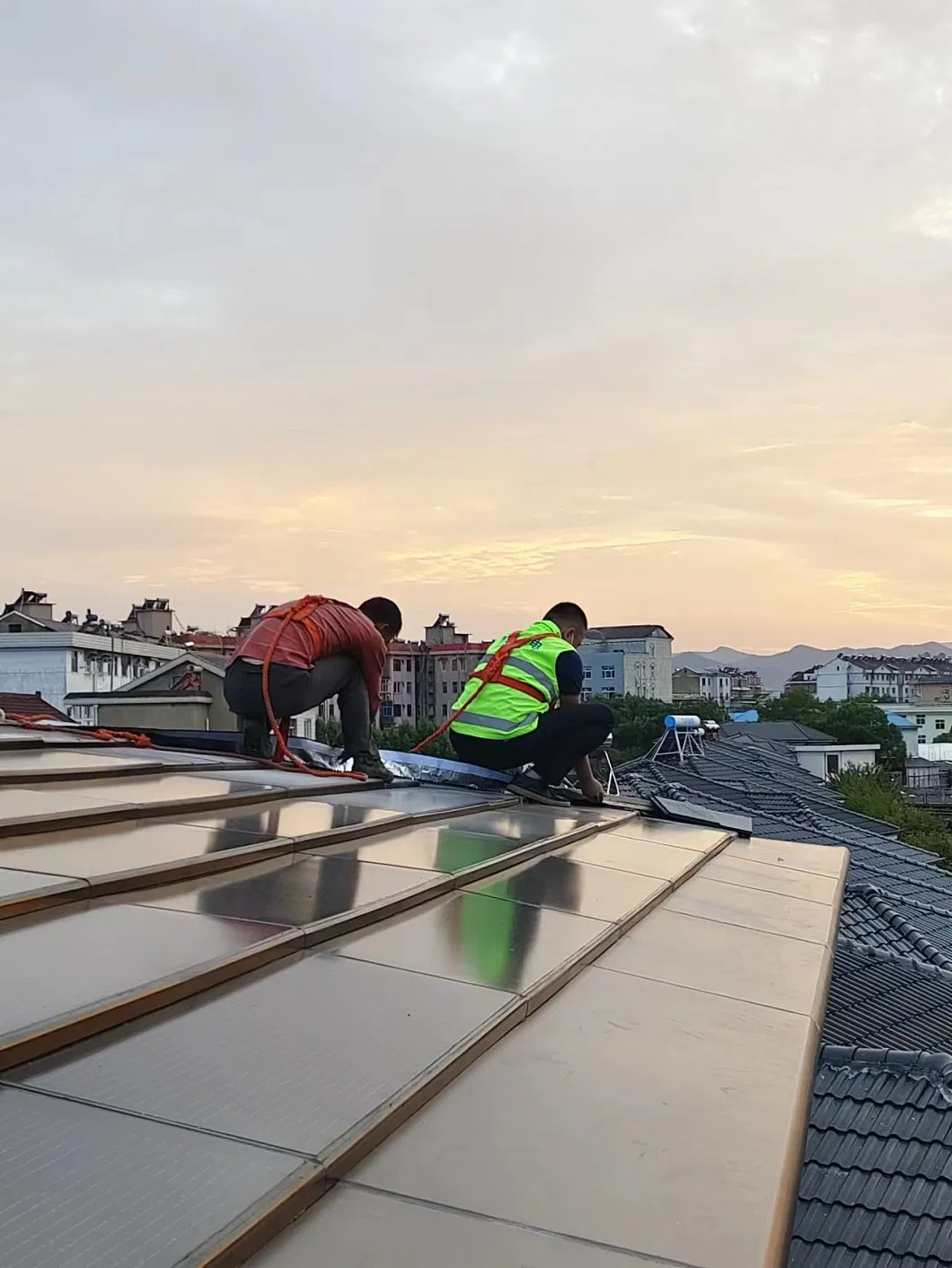
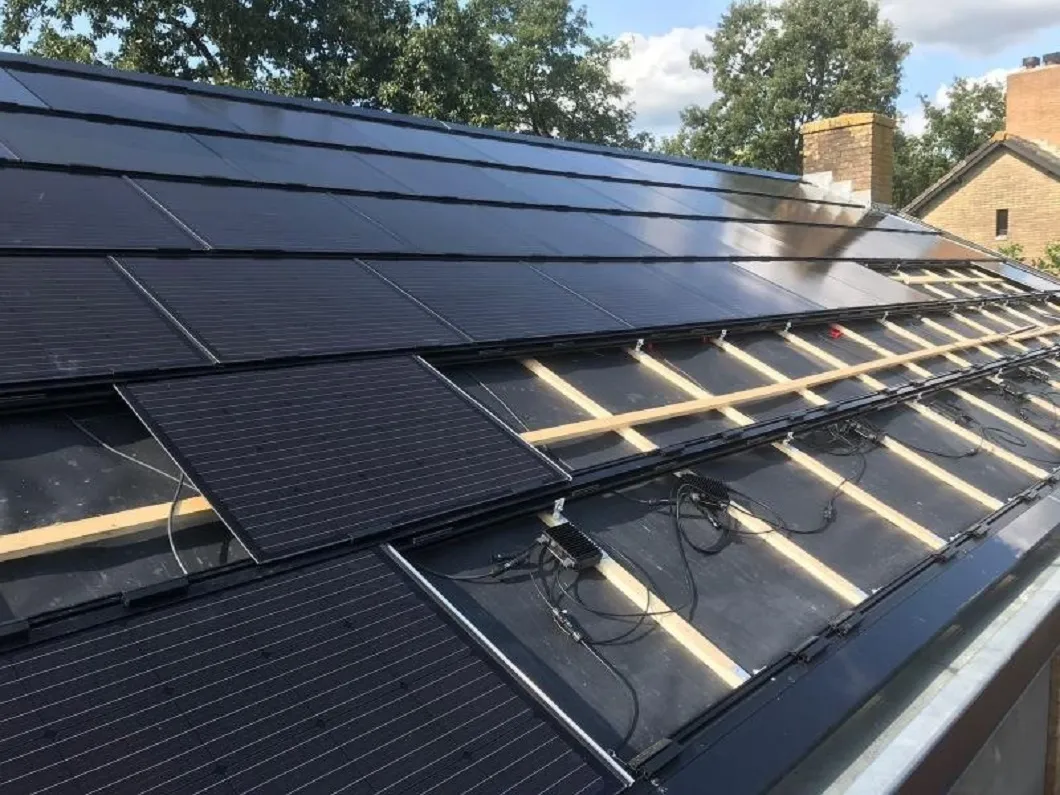
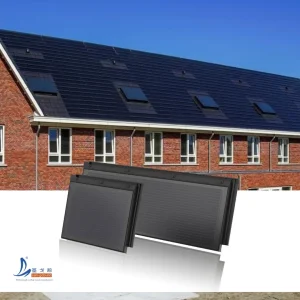
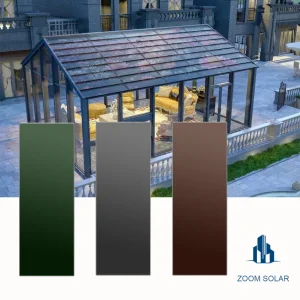
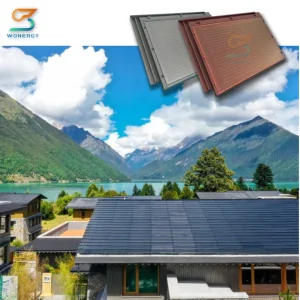
Sustainable Building Integrated Solar Shingle Roof Tiles Photovoltaic

Still deciding? Get samples of $ !
Order Sample

Product Description

📋 Basic Information
Model NO.SGB
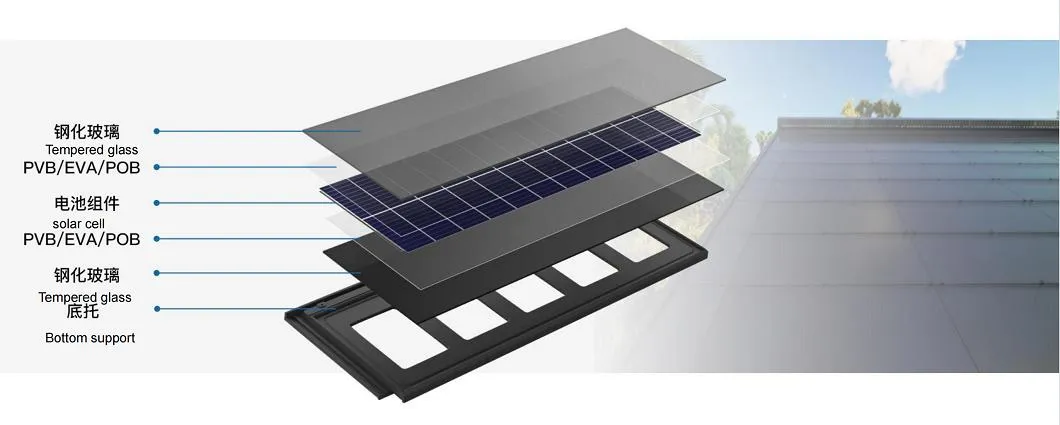
MaterialTempered Glass, PVB/EVA/Pob, Solar Cell
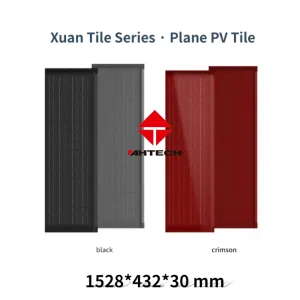
TypePlain Roof Tiles
ShapePlain
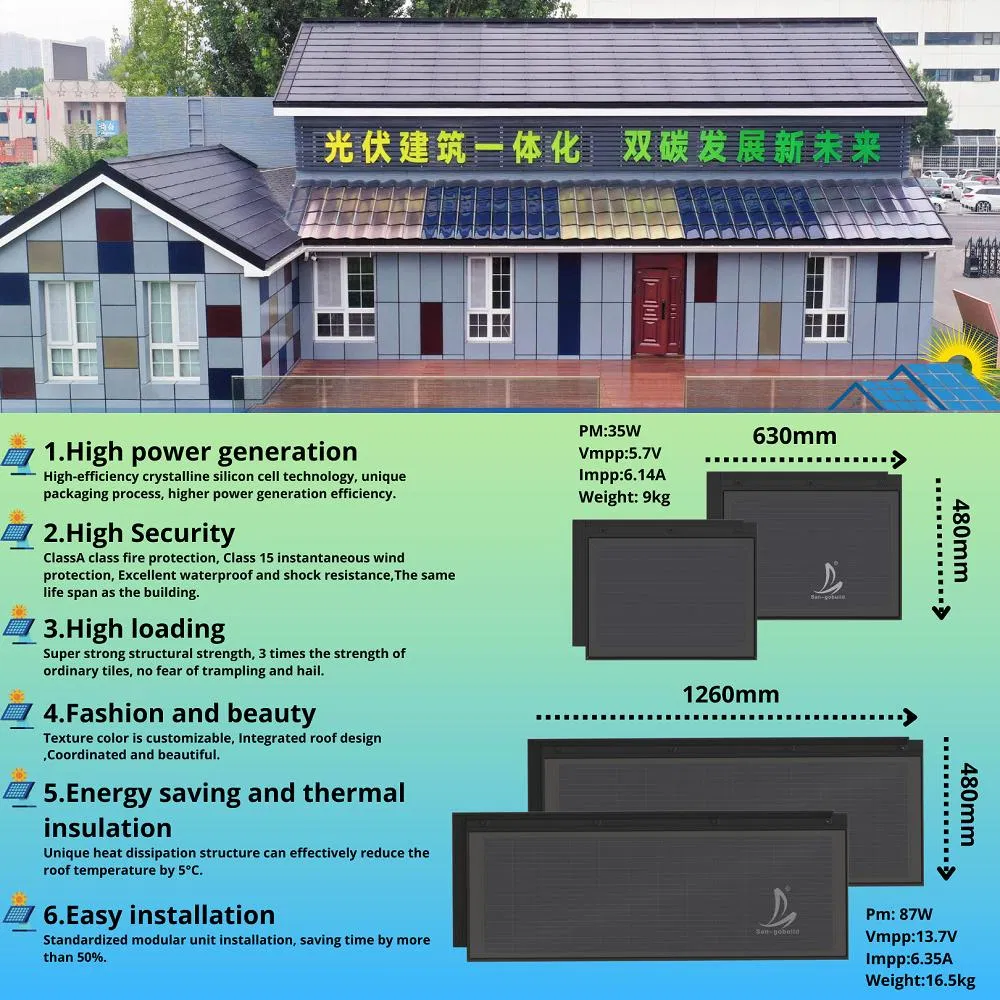
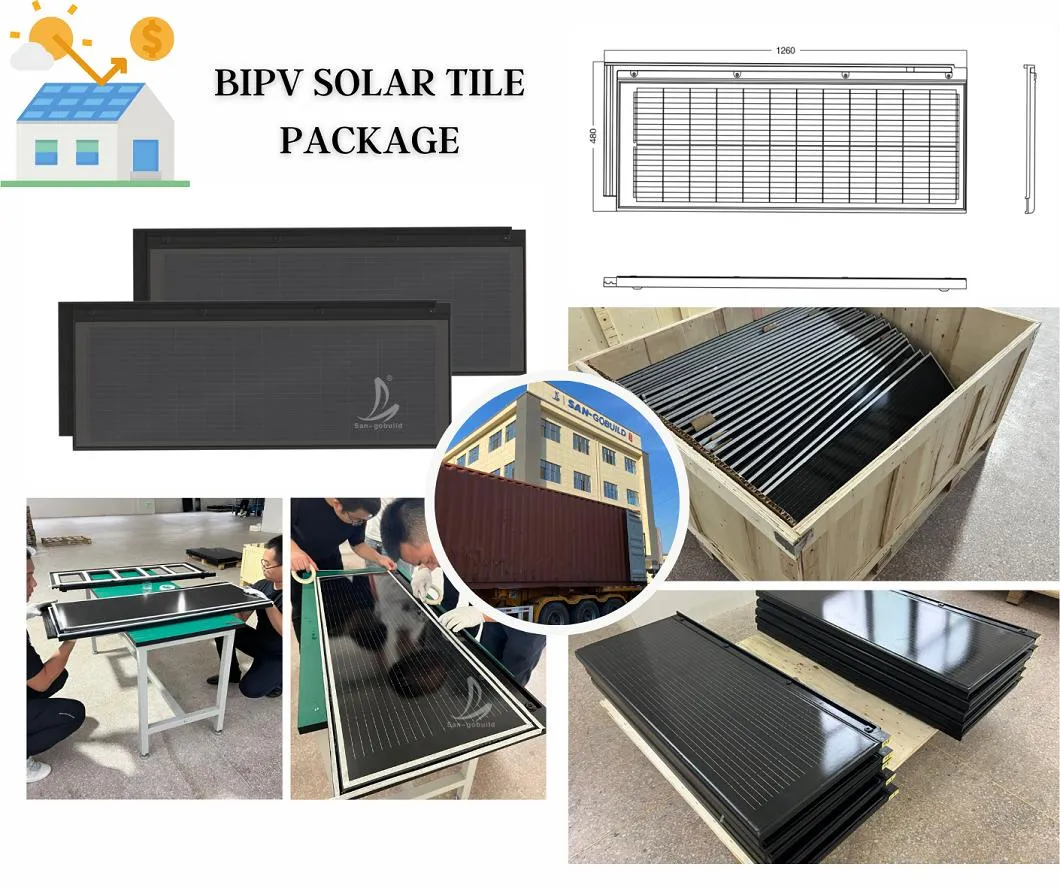
Size1260*480mm
ColorBlack
Cell Size182*182
CertificateTUV / CE
Panel Dimensions630*480mm / 1260*480mm
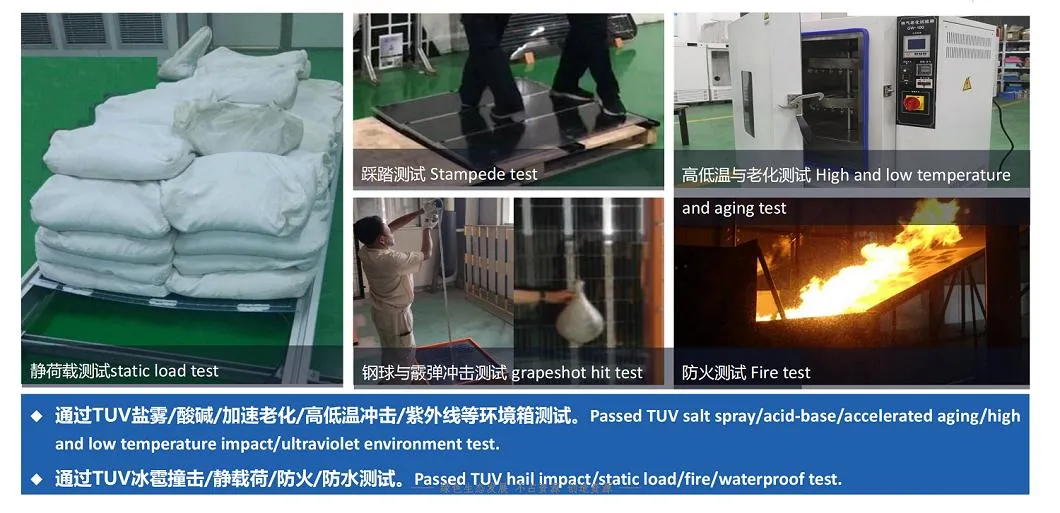
FeaturesStrong Wind, Hail, Heavy Rain, UV Resistant
PackageWooden Box Package
Specification87W
HS Code85414300
🚀 Product Description
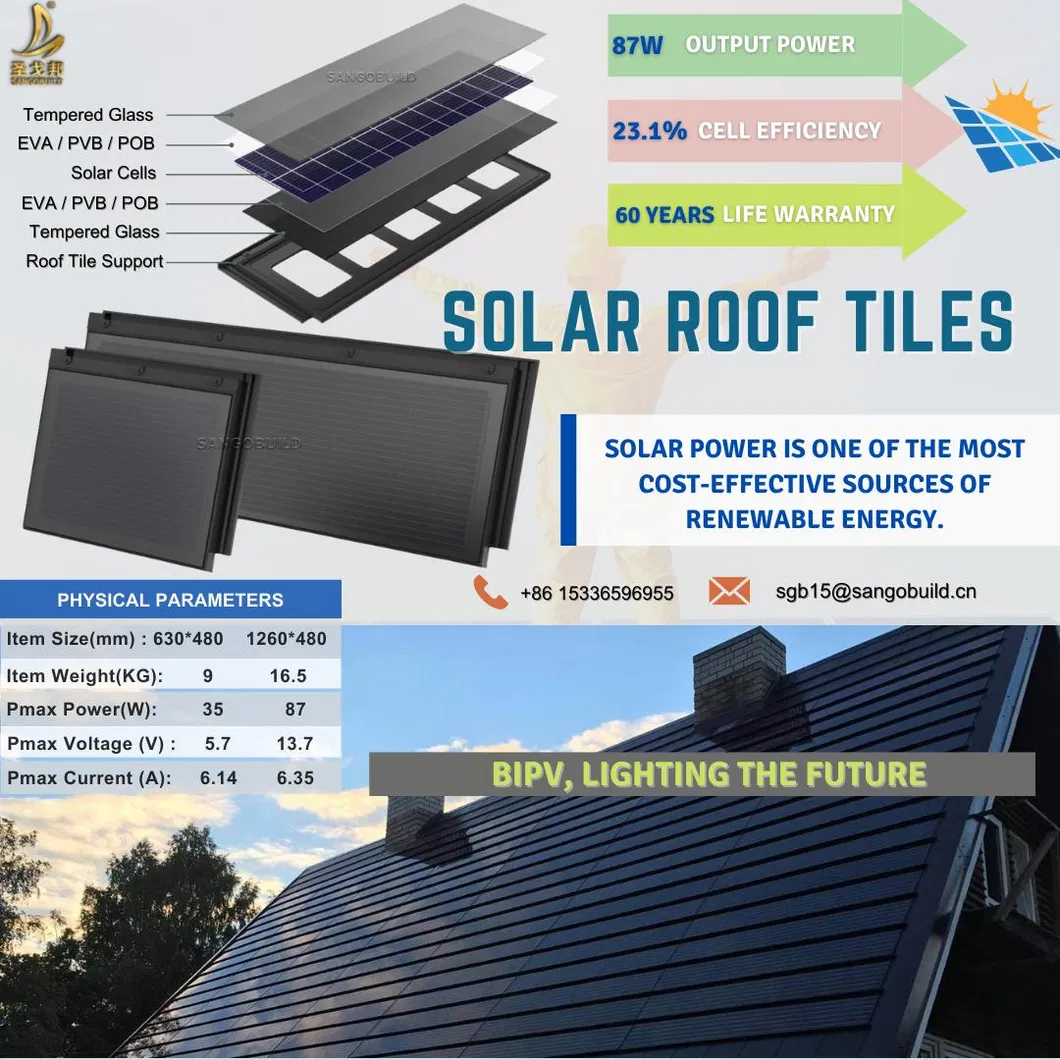
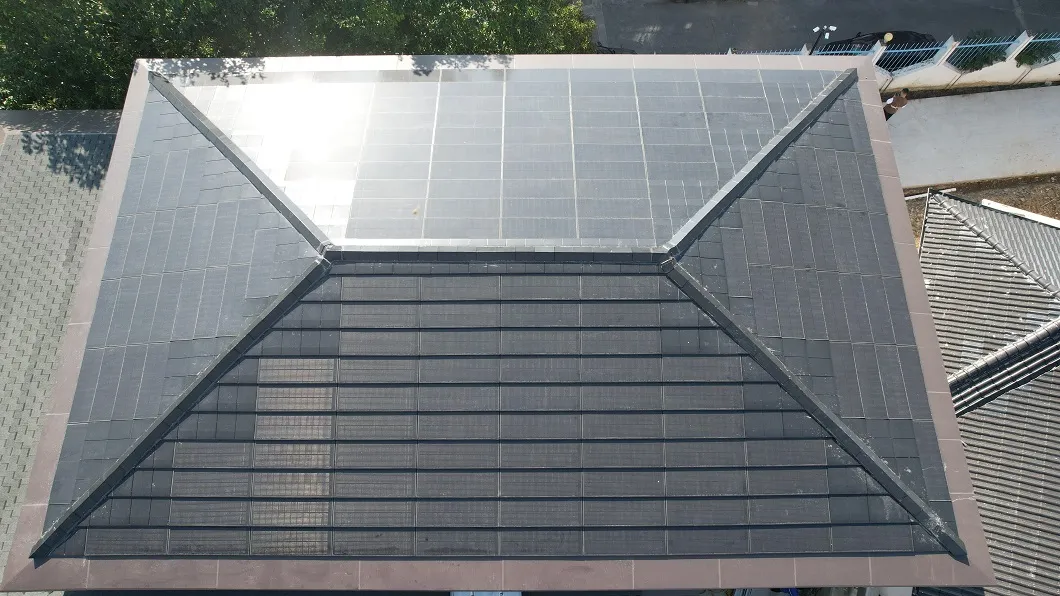
Solar Shingle Roof Tiles
Product NameBuilding Integrated Photovoltaics BIPV SOLAR ROOF TILE
Power Output35W / 87W
Solar Cell TypeMonocrystalline Silicon
Efficiency13.9% - 14.2%
System TypePERC, Half Cell, Bifacial, All Black
Temperature Range-40ºC to +85ºC
Warranty30 Years
📸 Detailed Structures
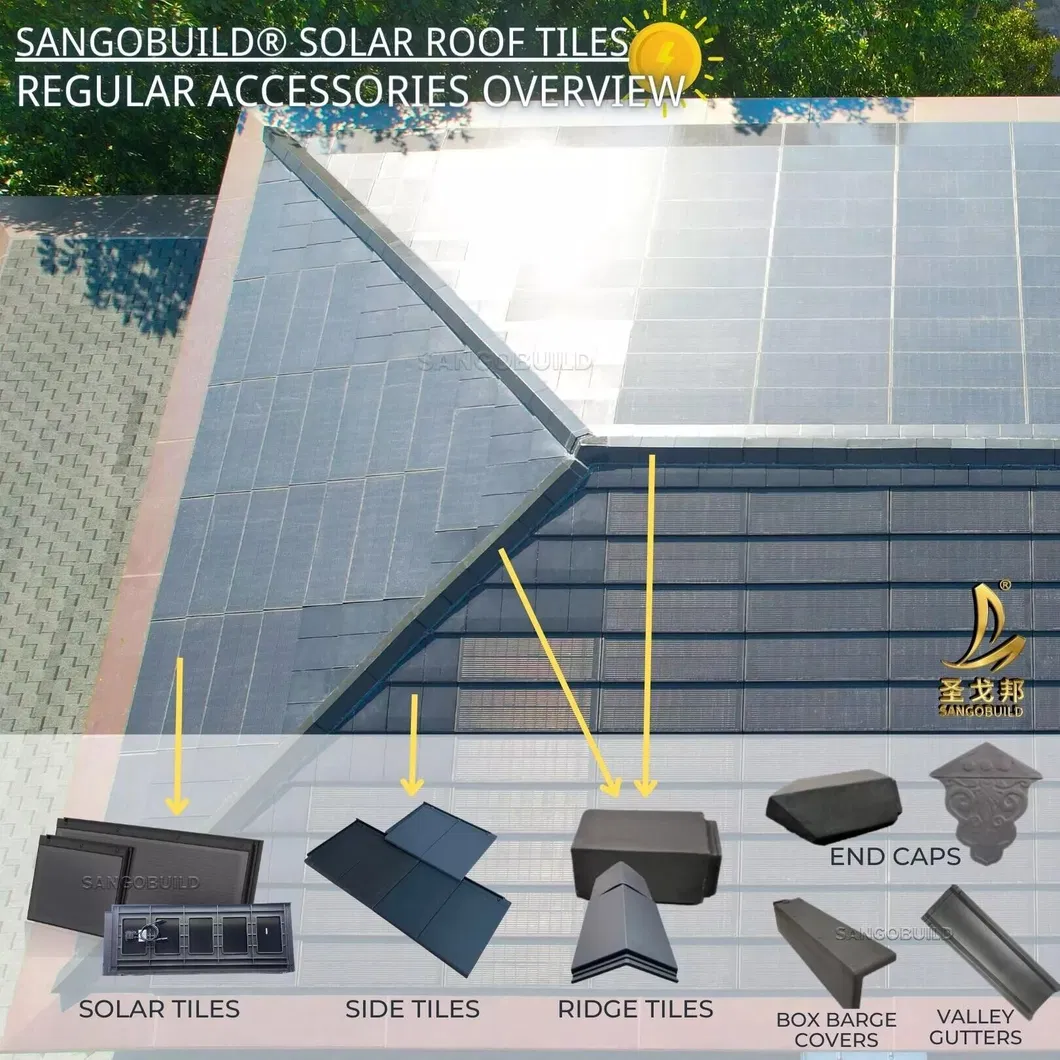
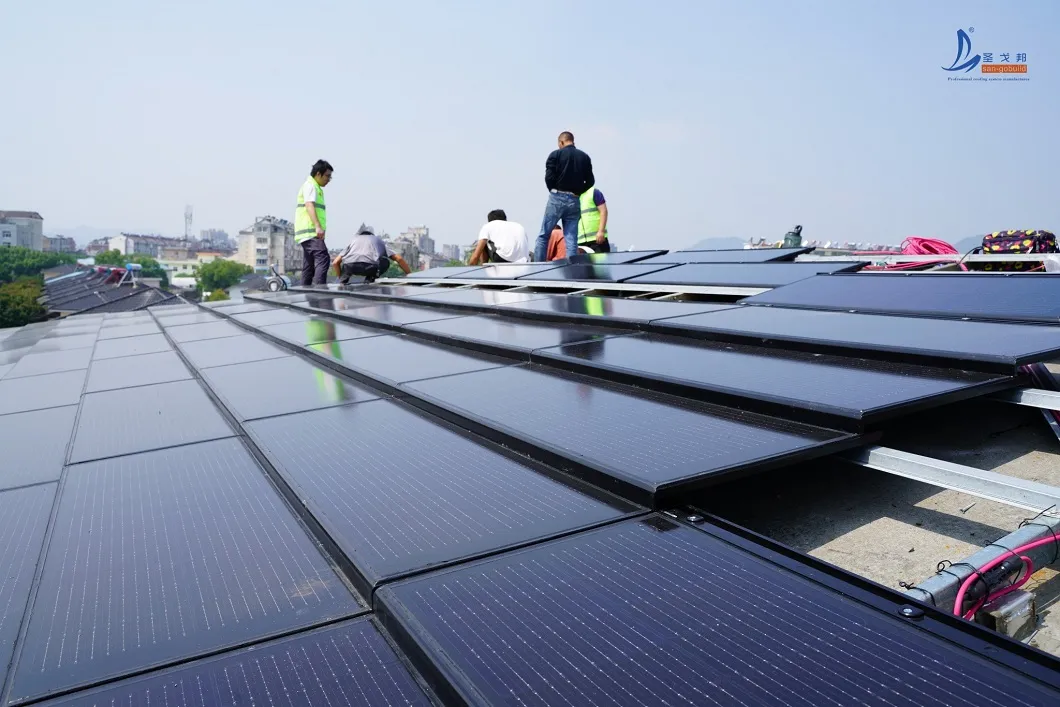
Structures
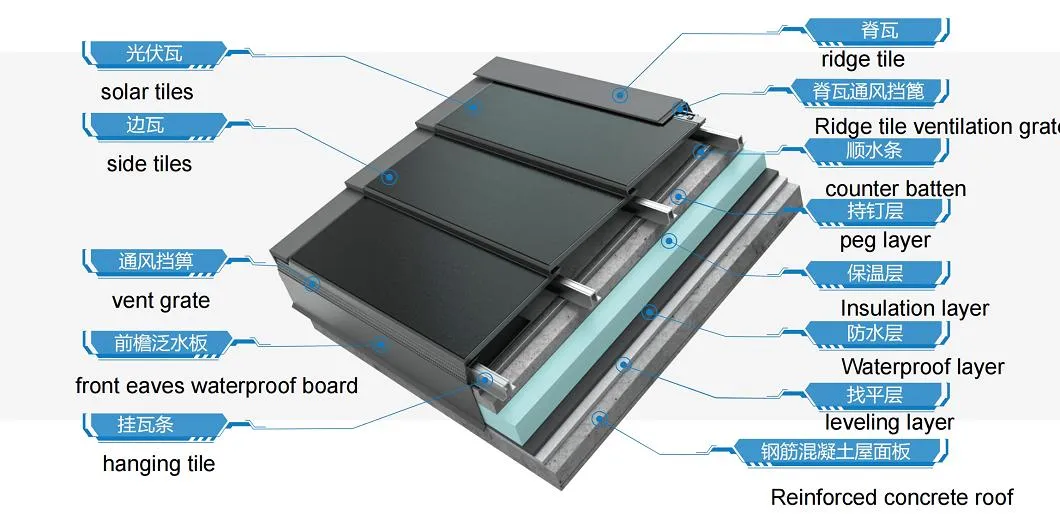
Details
Details
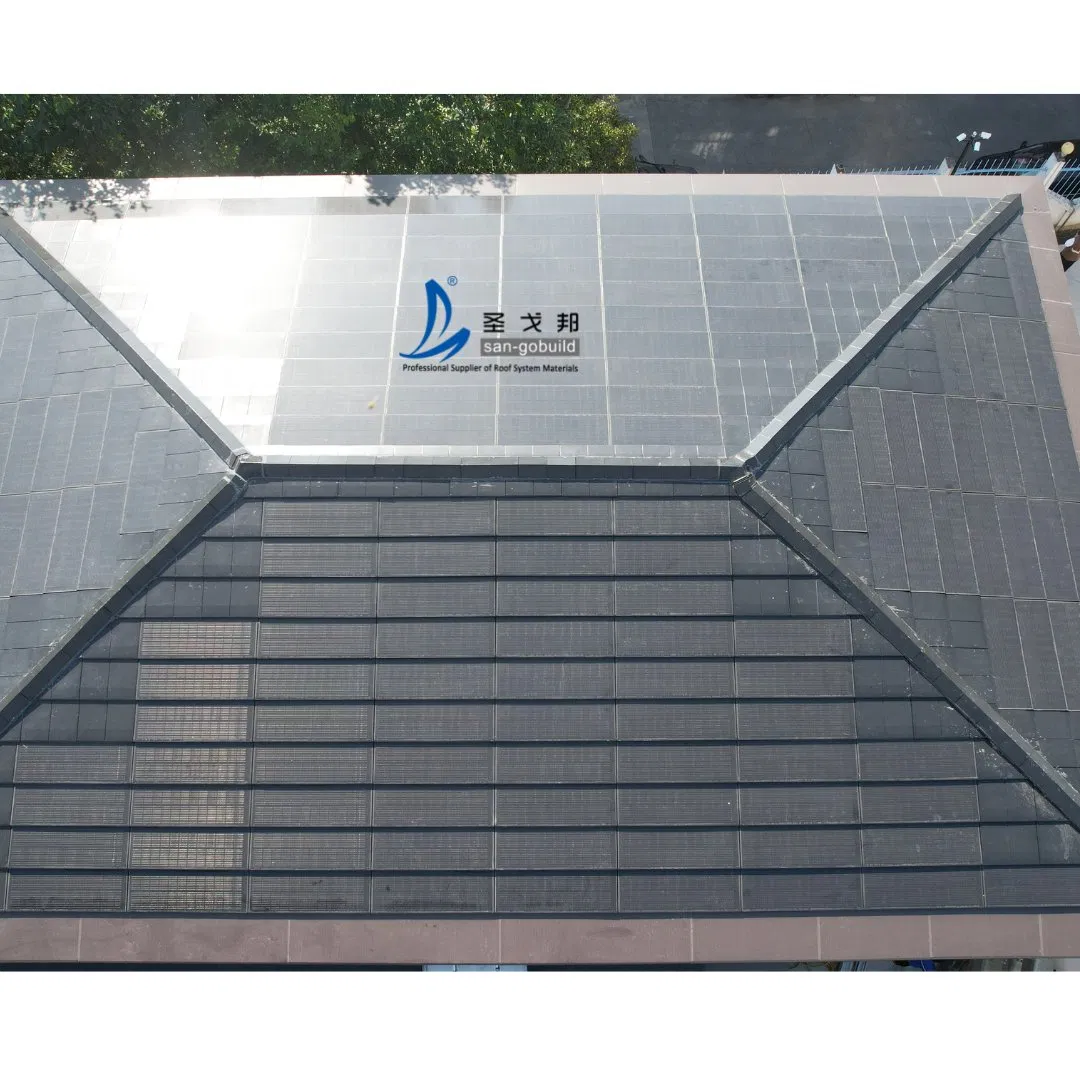
Roof integration
⚡ Electrical System & BIPV vs BAPV
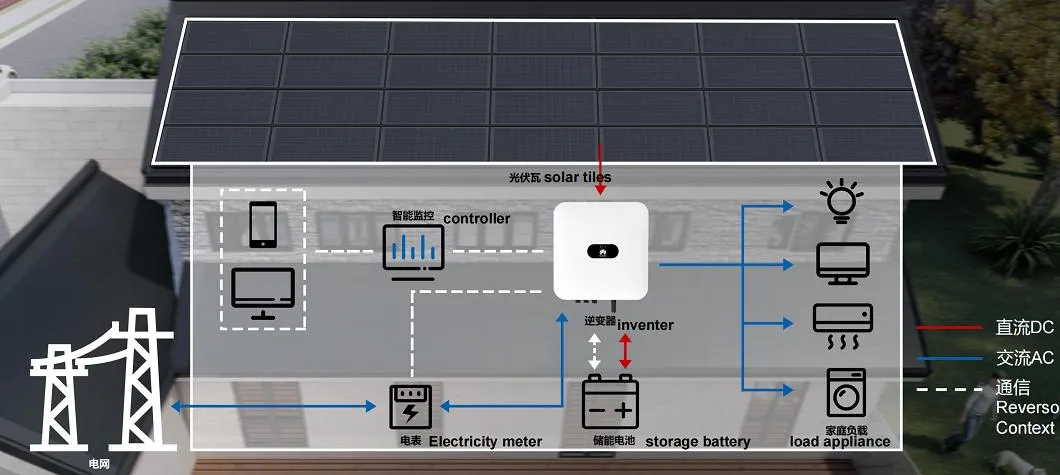
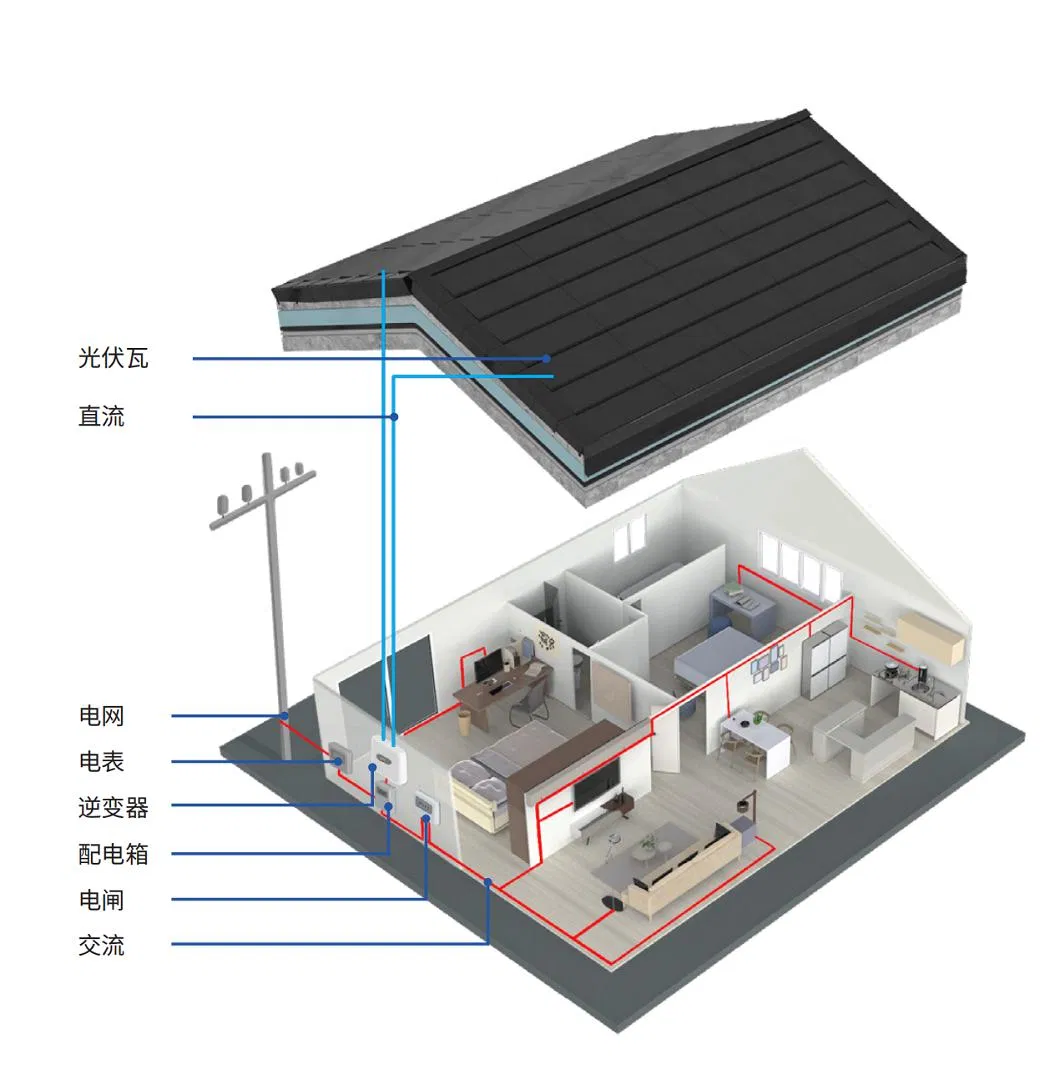
Electrical
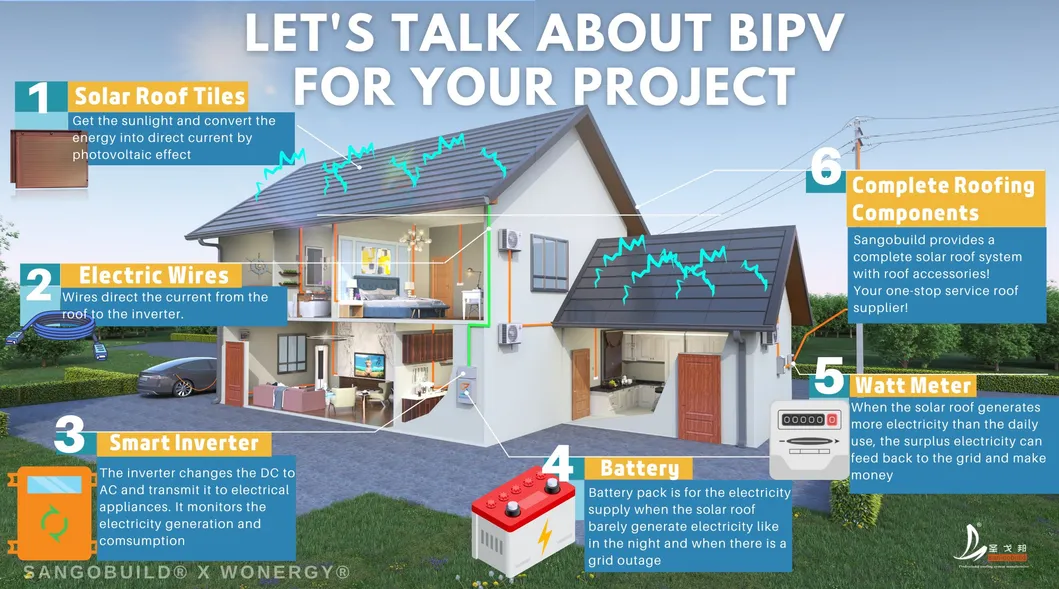
Electrical System
Comparison

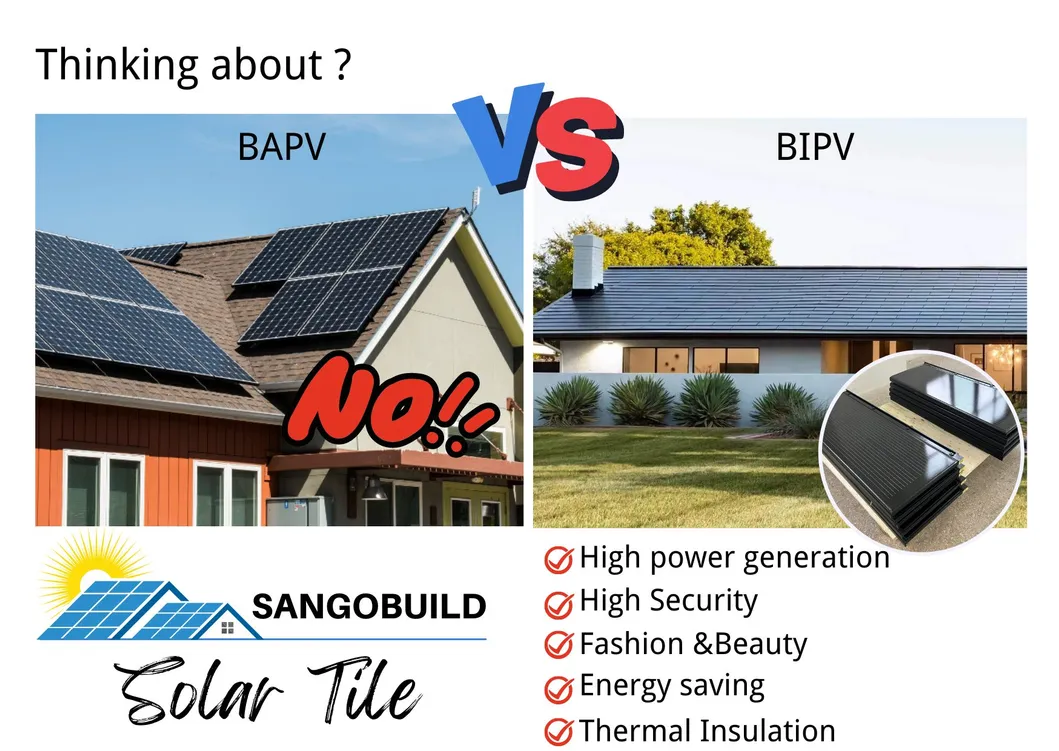
BAPV (Building Applied)

  • Attached to existing surfaces
  • Power generation only
  • Integrity can be poor/messy
  • Higher leakage risk
  • 20 Years lifespan

BIPV (Building Integrated)

  • Replaces traditional building elements
  • Dual function: structure + energy
  • Beautiful, seamless appearance
  • Premium waterproofing resistance
  • 50+ Years lifespan
BIPV Advantage
🏅 Certifications
Certificates
Certifications List

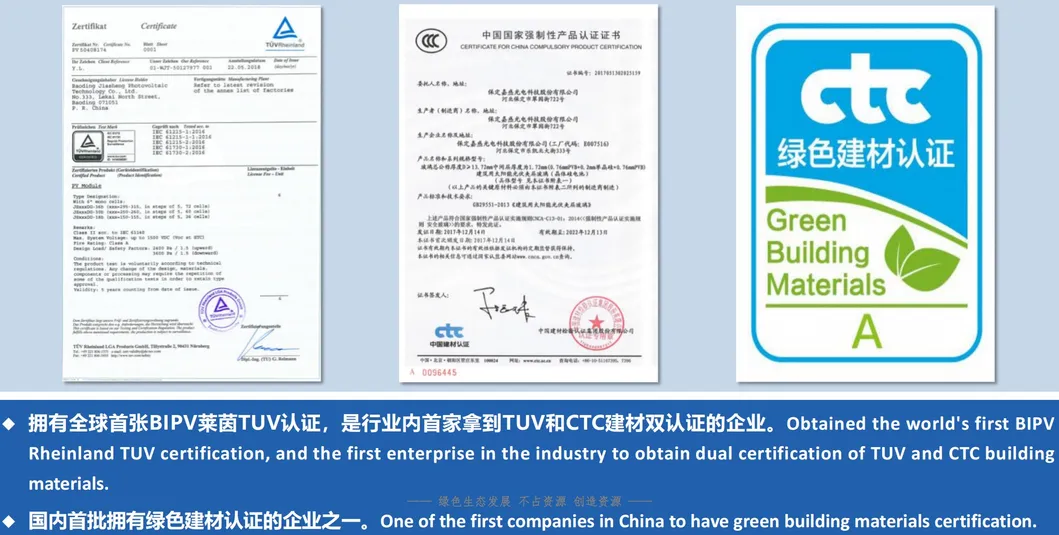
Our BIPV and solar modules have obtained numerous international certifications including: CE (Conformité Européenne), ISO9001, ISO14001, ISO45001, CCC, TUV Rheinland, and CGC.
🛠 Installation Instructions
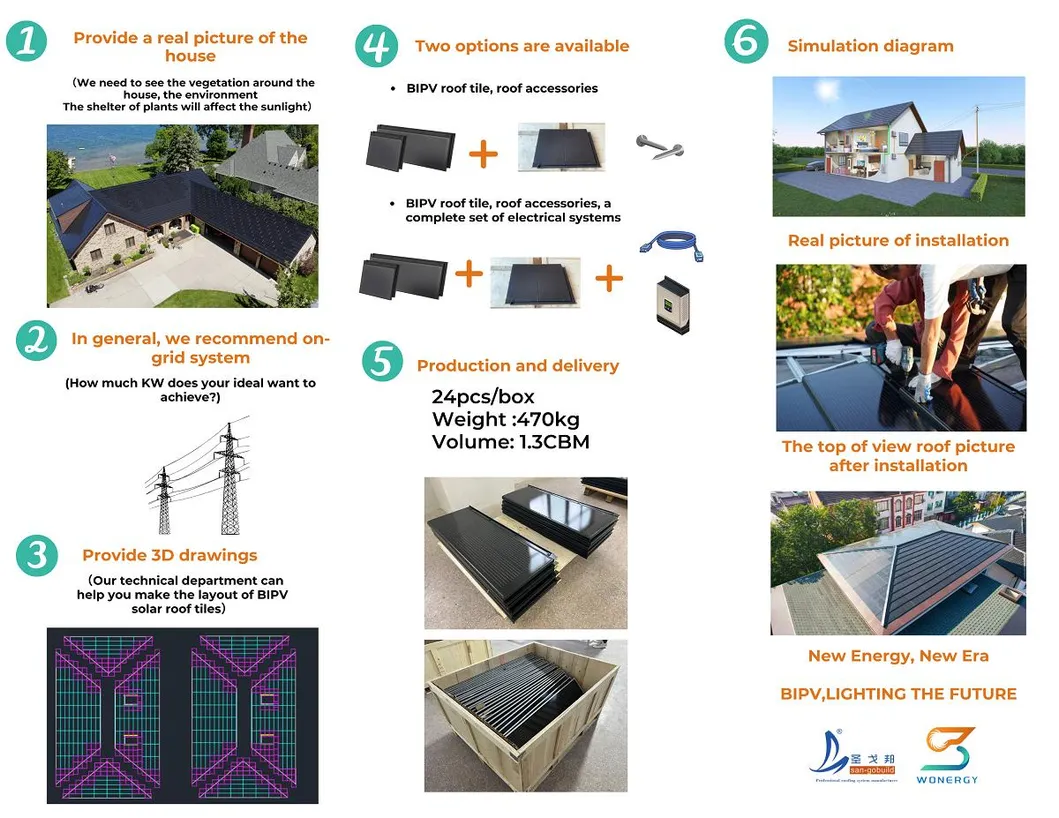
Step 1
Step 2
Step 3
Step 4
Step 5
Step 6
📦 Packaging & Shipping
Packing
Loading
💡 Frequently Asked Questions
Where can BIPV products be installed?
BIPV products can be integrated seamlessly into the building envelope wherever sunlight hits directly, such as façades, roofs, windows, balconies, and skylights.
What is the difference between solar shingles and traditional solar panels?
Solar shingles are building-integrated photovoltaics (BIPV) designed to look like and function as conventional roofing materials (like asphalt or slate), whereas traditional panels (BAPV) are mounted on top of an existing roof.
How durable are BIPV solar roof tiles?
They are highly durable and designed to withstand extreme weather including heavy rain, high winds, and hail. Most carry a Class A fire rating and significant wind and hail ratings.
What is the expected lifespan of these solar roof products?
While traditional asphalt roofs last about 15 years, BIPV solar shingles typically last 25-30 years or more, often with a 25-year power and weatherization warranty.
Is BIPV worth the investment compared to traditional roofing?
Yes. Because BIPV serves a dual purpose as both a protective roof and an energy generator, it essentially "subsidizes" the cost of the roof. Over time, the energy savings and increased durability offer superior economic value.
How does weather affect the energy production?
While high temperatures or continuous rain can affect output, modern BIPV systems are optimized for various climates. Efficiency is primarily determined by local solar radiation (kWh/m2/day).

Related Products