GeoSyn Solar
1. Crucial Competitive Advantages of China-Based Solar Manufacturing
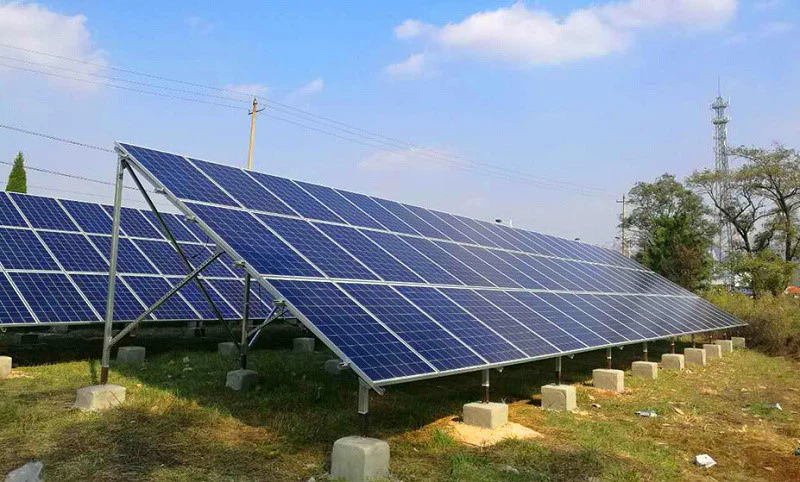
China has consolidated its position as the undisputed epicenter of photovoltaic (PV) innovation and supply chain density. For procurement officers managing large-scale Commercial & Industrial (C&I) projects, importing systems from Tier-1 Chinese manufacturers like Suzhou GeoSyn Solar Co., Ltd. (ApexSolar) yields structural advantages that cannot be replicated elsewhere:
Unparalleled Supply Integration
From raw polysilicon purification to wafer slicing, N-type TOPCon cell doping, and structural mounting hardware production, the entire supply chain is localized within tight industrial clusters, reducing logistical friction.
Automated Scale Economics
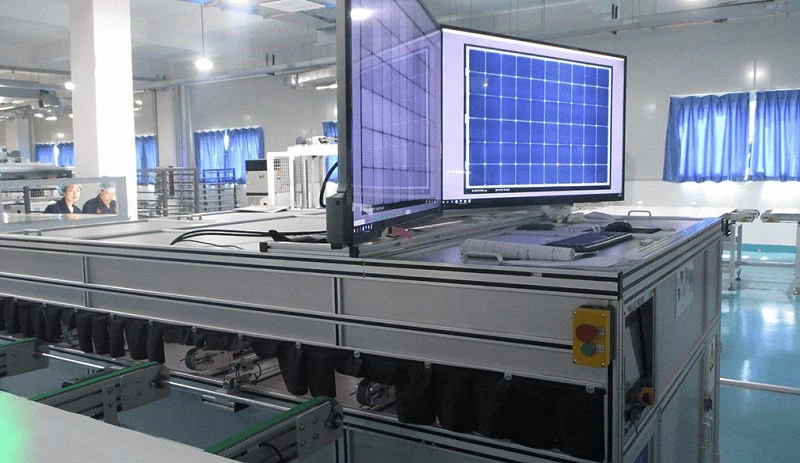
High-speed robotic assembly and integrated EL (electroluminescence) testing facilities ensure that millions of solar modules can be produced with zero physical defects, dramatically lowering unit costs.
Aggressive R&D Iteration
Chinese factories lead the industry in implementing new cell architectures, transitioning from P-type PERC to N-type TOPCon and Heterojunction (HJT) technologies, yielding higher conversion efficiencies.
This manufacturing powerhouse minimizes capital expenditure (CAPEX) for global EPCs (Engineering, Procurement, and Construction companies). Rather than sourcing modules from one country, inverters from another, and grounding systems from a third, Tier-1 Chinese exporters provide complete, pre-engineered, and pre-certified packages that assemble smoothly on-site.
2. Macro Trends Reshaping the Commercial Solar Industry
The commercial solar sector is transitioning from simple grid-tied power generation to complex, bidirectional, intelligent energy ecosystems. Key developments driving this transition include:
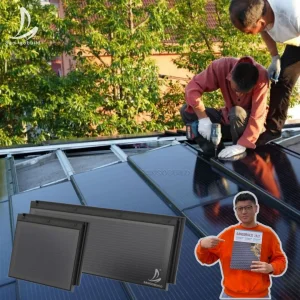
- Building-Integrated Photovoltaics (BIPV): Standard roof mounts are giving way to BIPV structures, such as active solar shingles and glass facades. These materials serve as both protective building envelopes and high-efficiency generation systems.
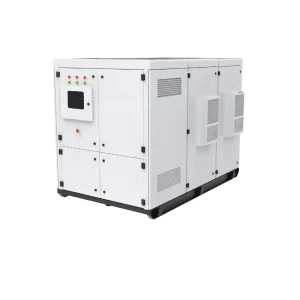
- AI-Optimized Battery Energy Storage Systems (BESS): Commercial operations leverage lithium-ion energy storage coupled with predictive AI algorithms to shave peak loads, store energy for outages, and trade electricity on dynamic wholesale markets.
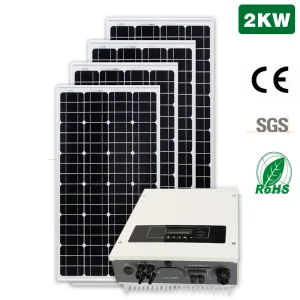
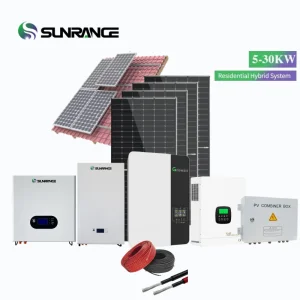
- Smart Inverters and Microgrids: Transitioning from centralized inverters to smart string inverters and microinverters allows for modular array management, rapid shutdown safety protocols, and optimal performance on roofs with complex shading.
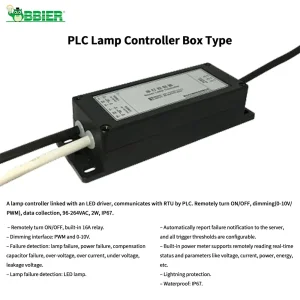
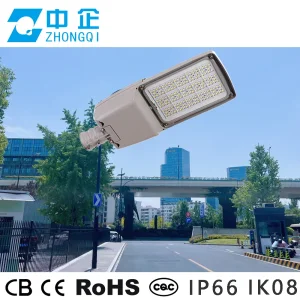
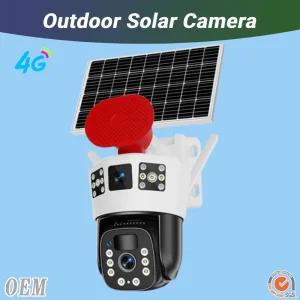
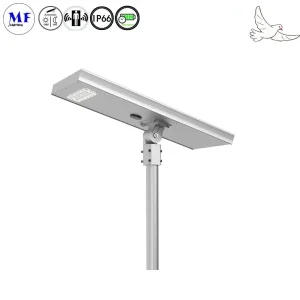
- IoT-Connected Infrastructure: Solar streetlights and security cameras are now integrated into municipal and corporate networks. Utilizing smart controllers, they dynamically adjust illumination based on traffic patterns and monitor perimeters via 4G/WiFi.
Technology Spotlight: The Shift to High-Frequency Hybrid Inverters
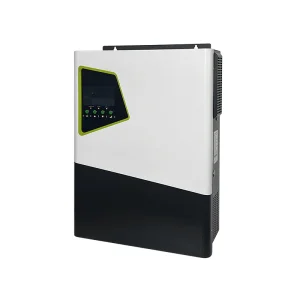
Modern systems like the Elecnova 3-phase hybrid off-grid energy solutions integrate MPPT technology with instantaneous switching capabilities (under 10 milliseconds). This configuration safeguards critical industrial machinery against utility voltage sags while seamlessly managing off-grid transitions.
3. Localized Application Scenarios and Engineering Realities
Commercial solar requirements vary widely based on environment, site layout, and operational parameters. Below are common engineering use cases for modern commercial solar systems:
Scenario A: Logistics Parks and Large Warehouses
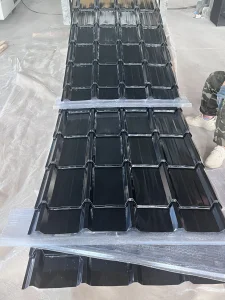
Logistics hubs present massive, flat rooftop spaces that are ideal for high-capacity solar arrays. However, structural load limits often prevent the use of standard, heavy concrete ballast mounts. Solution: Lightweight BIPV roof tiles combined with thin-film or high-efficiency TOPCon modules. This system integrates directly into the metal roofing structure, providing structural weatherproofing while generating clean power for transport fleets.
Scenario B: Industrial Commercial Facilities with Flammable Hazards
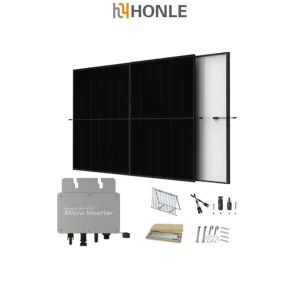
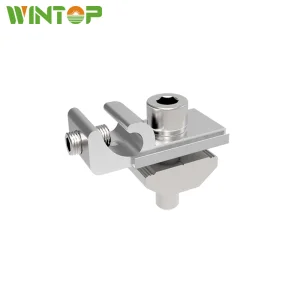
Chemical plants and manufacturing facilities require robust safety systems. Standard high-voltage DC string systems pose minor risks of electric arc faults, which can present safety concerns in hazardous environments. Solution: Microinverter-based solar systems (such as the 400W home-to-commercial microinverter setups) convert DC to safe AC directly at the panel level, keeping voltages below dangerous limits and allowing for rapid shutdown. Additionally, heavy-duty copper grounding lugs are installed on every panel frame to prevent static build-up and safely redirect lightning strikes.
Scenario C: Off-Grid Agricultural & Remote Infrastructure
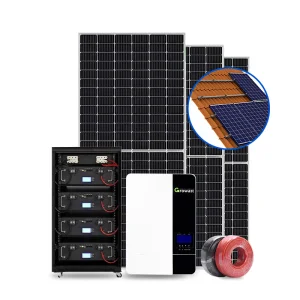
Off-grid agricultural operations and remote mining sites rely heavily on diesel generation. Diesel fuel logistics are expensive, and carbon footprints are high. Solution: A hybrid microgrid combining a 50kW to 200kW MPPT hybrid inverter with heavy-duty lithium storage. During the day, the system powers deep-well irrigation pumps and facility equipment. Overnight, stored energy maintains cold chain refrigeration, reducing diesel reliance by up to 85%.
4. Macro Industry Solutions: Aligning Solar Energy with Global ESG Mandates
Corporate sustainability is shifting from a public relations asset to a core operational requirement. Under Scope 1, Scope 2, and Scope 3 greenhouse gas reporting protocols, corporations must document carbon emission reductions across their value chains. Implementing utility-scale and commercial rooftop solar installations provides a direct, verifiable path to carbon reduction:
Corporate Carbon Mitigation Performance Metrics
A standard 1MW commercial solar installation offsets approximately 800 metric tons of CO2 equivalents annually. For multinational corporations operating under cap-and-trade systems or preparing for the Carbon Border Adjustment Mechanism (CBAM), this transition helps mitigate financial risk while improving their ESG ratings.
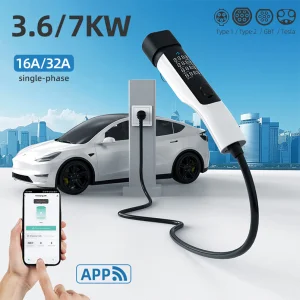
Furthermore, incorporating smart EV charging hubs into corporate office parks—such as 7kW-22kW commercial charging stations—supports fleet electrification. Linking these chargers directly to the facility's PV system ensures that transport fleets run on clean energy generated on-site, optimizing self-consumption and avoiding utility peak demand charges.
5. Global Corporate Procurement: Technical Vetting and Verification
Procuring solar equipment requires careful due diligence. High-value international contracts require a structured vetting framework to verify equipment quality, bankability, and safety compliance:
- Module Quality & Certification: Verify that modules are certified under IEC 61215 and IEC 61730, and have undergone testing for Potential Induced Degradation (PID) and Salt Mist Corrosion.
- Inverter Efficiency and MPPT Channels: Ensure inverters feature European efficiency ratings of 98% or higher, and offer multiple Maximum Power Point Tracking (MPPT) channels to manage uneven shading across multi-directional roofs.
- Battery Lifecycle Standards: Storage solutions must use Lithium Iron Phosphate (LiFePO4) chemistry, which offers superior thermal stability, and guarantee a minimum of 6,000 charge cycles at 80% Depth of Discharge (DoD).
- Supply Chain Transparency: Verify the manufacturer's quality control standards, raw material sourcing policies, and automated testing procedures to ensure consistent product reliability.