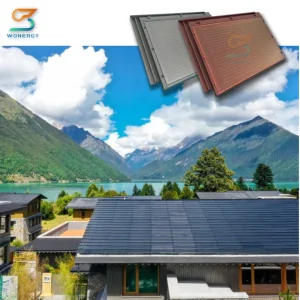
Explore our foundational residential and commercial clean energy solutions that power high-efficiency solar plants globally.
As global solar capacity skyrockets to gigawatt-scale utility grids, asset managers face a silent, persistent performance killer: photovoltaic soiling. Dust, particulate matter, pollen, industrial residue, and avian droppings construct a light-blocking film over clean glass modules. This physical obstruction drastically drops panel irradiance absorption, causing immediate operational yield losses ranging from 5% to over 35% in high-soiling, arid geographical corridors.
From the deserts of the Middle East to the dust-prone industrial areas of Europe and Asia, manual cleaning protocols are proving economically unviable and operationally dangerous. The physical labor, enormous consumption of clean water, and potential risk of module micro-cracks from human stepping have shifted the operational paradigm. The industry is demanding autonomous, waterless, and heavy-duty robotic cleaning solutions capable of functioning in harsh, isolated geographic terrains.
Scientific insights from the National Renewable Energy Laboratory (NREL) indicate that regular, mechanized cleaning schedules utilizing smart robotics can preserve standard operational performance ratios (PR), preventing irreversible hotspots and thermal-induced degradation (PID).
Suzhou GeoSyn Solar Co., Ltd. is a leading innovator in the solar energy sector, specializing in smart solar power systems for both residential and commercial applications. Headquartered in Suzhou, China, the company has earned a strong reputation for delivering high-performance, reliable, and sustainable solar solutions under its flagship brand, ApexSolar. By combining advanced technology with intelligent energy management, Suzhou GeoSyn Solar aims to meet the growing global demand for clean and efficient energy solutions.
Leveraging Suzhou's robust industrial smart-manufacturing ecosystem, ApexSolar has integrated robotic engineering and artificial intelligence with traditional solar equipment. Rather than just offering static solar systems, ApexSolar acts as a complete solution provider, offering the mechanical, structural, and robotic automation capabilities required to maintain peak generation efficiency over the 25-year lifespan of modern PV systems.
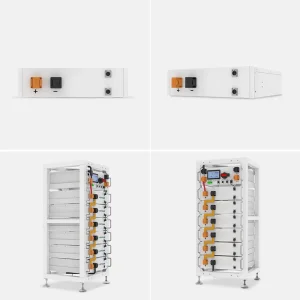
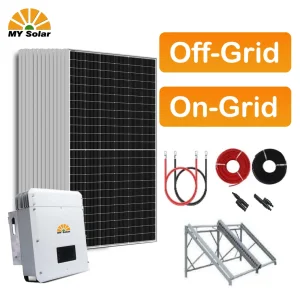
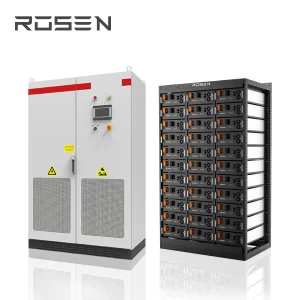
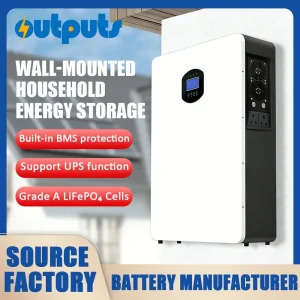
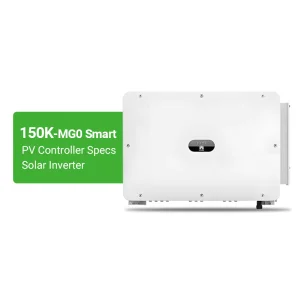
The company’s product portfolio includes residential rooftop solar systems, commercial-scale solar installations, energy storage solutions, and advanced solar monitoring platforms. Each system is designed to optimize energy generation, reduce electricity costs, and provide reliable power even in off-grid or hybrid configurations. With a focus on smart inverters, battery integration, and IoT-enabled monitoring, Suzhou GeoSyn Solar ensures that its solutions offer seamless performance, real-time diagnostics, and user-friendly operation.
In addition to product innovation, the company emphasizes sustainability, quality control, and rigorous research and development. Suzhou GeoSyn Solar collaborates closely with architects, engineers, and municipalities to deliver tailored solutions that address unique site requirements and maximize energy efficiency. The deployment of autonomous solar panel cleaning robots represents the latest leap in their complete Smart PV lifecycle roadmap.
China represents over 80% of the global supply chain for solar components and advanced lithium automation hardware. Sourcing Solar Panel Cleaning Robots directly from leading Chinese factories like Suzhou GeoSyn Solar offers massive cost-to-performance advantages:
Direct access to lightweight carbon-fiber structural elements, high-torque brushless DC motors, and smart BMS technology from local clusters.
State-of-the-art environmental chambers simulating high UV exposure, ambient sandstorms, and extreme thermal ranges from -25°C to 75°C.
Advanced production tooling and automated assembly lines reduce manufacturing costs, resulting in lower CapEx for large global utility EPCs.
In locations like the Middle East, North Africa, and northwest China, sandstorms can cover solar fields with high-density dust overnight. ApexSolar's cleaning robots operate in waterless configurations, utilizing specialized electrostatic micro-fiber rollers to lift and blow away abrasive sand particles without causing micro-scratching on anti-reflective glass coatings.
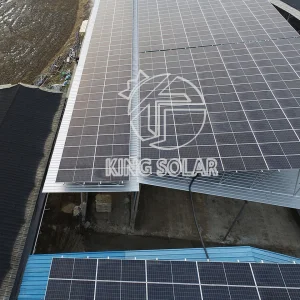
C&I rooftops feature complex configurations, pipe obstructions, varying pitches, and weight-bearing limitations. Lightweight track-running robotic cleaning systems are essential. They travel seamlessly across long tables and cross gaps via custom bridges, ensuring maximum safety without exerting concentrated high-load points on thin-film or standard silicon crystalline modules.
Agricultural solar installations and steep mountain-side arrays present challenging, uneven inclines. Trackless, high-grip rubber belt crawler cleaning robots can handle steep slopes up to 30 degrees, maintaining high cleaning efficiency on uneven structural surfaces.
The industry is quickly moving from manually controlled cleaning devices to fully autonomous, self-sufficient robotic units. The integration of Artificial Intelligence and IoT connectivity is reshaping solar asset management strategies.
Future operations will feature autonomous cleaning robots paired with charging docks. These docks are permanently installed at the end of PV rows and are connected to meteorological stations. When sensors detect wind speeds falling below threshold limits and high dust accumulation, the robots automatically launch to clean the array, returning to their weatherproof charging hubs afterwards.
When evaluating China-based factories for solar cleaning robots, international procurement teams must focus on standard industry certifications and physical mechanical parameters. This ensures long-term operational safety and compatibility:
| Parameter Criterion | Standard Industry Spec | Operational Importance |
|---|---|---|
| Ingress Protection (IP) | IP65 / IP68 Rating | Protects sensitive drive systems and lithium-ion batteries from fine desert sand and heavy rain. |
| Battery Chemistry | LiFePO4 (Lithium Iron Phosphate) | Ensures thermal stability and fire safety in ambient desert temperatures exceeding 50°C. |
| Module Surface Loading | < 10 kg / m² | Ensures the robot does not exceed the mechanical structural limits of glass modules, preventing micro-cracking. |
| Cleaning Speed Efficiency | 15 - 25 meters per minute | Allows fast coverage of megawatt-scale solar rows within short daily cleaning windows. |
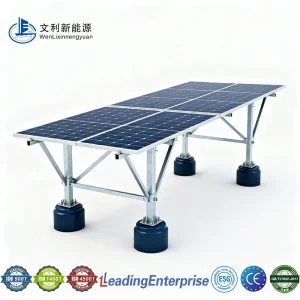
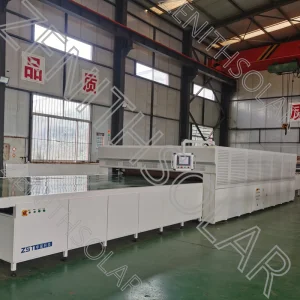
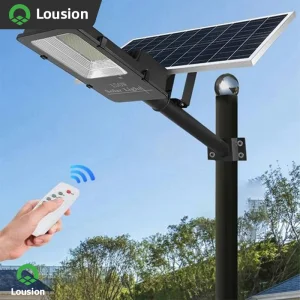
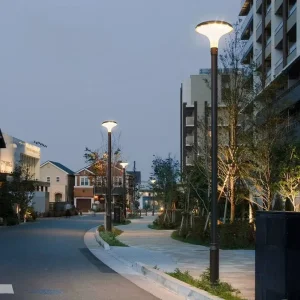
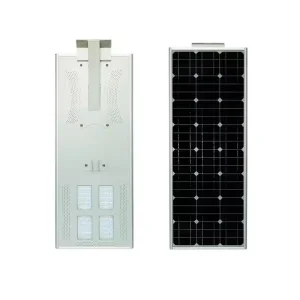
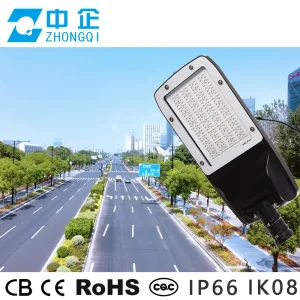
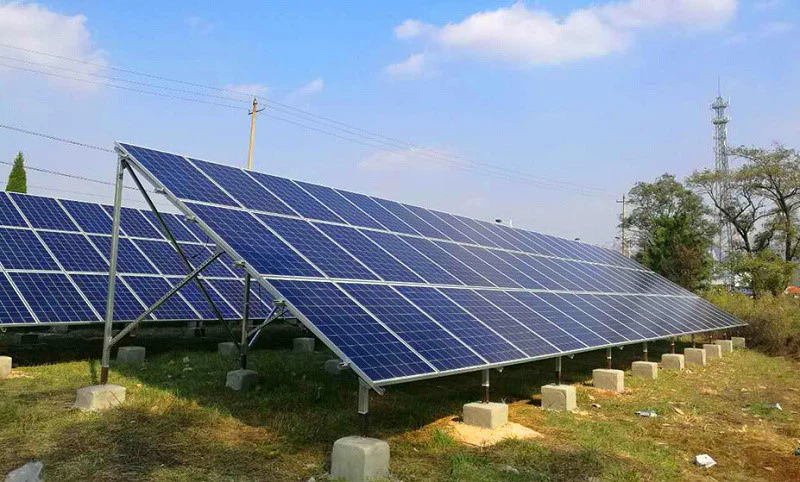
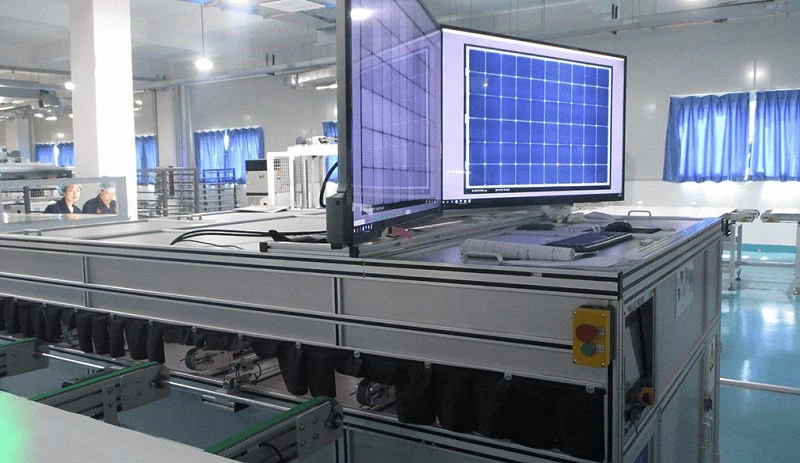
Discover our high-durability mounting structures, street illumination systems, and automated production machinery.
 GeoSyn Solar