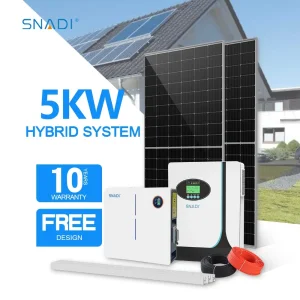
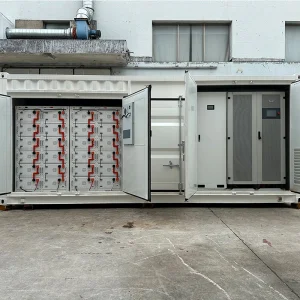
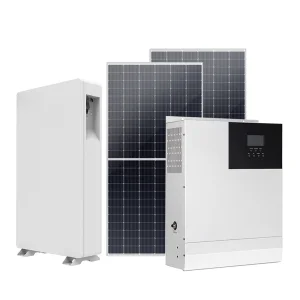
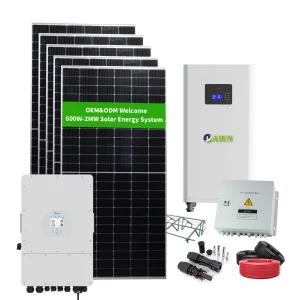
Explore our core OEM devices, sensory arrays, and energy conversion systems engineered for dynamic utility and enterprise deployment.
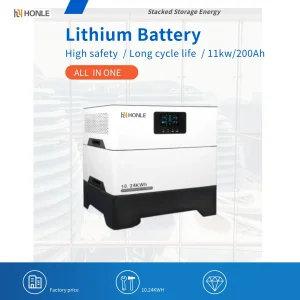
The contemporary global power paradigm is undergoing its most significant structural evolution in a century. Traditional, unidirectional grids are giving way to dynamic, bidirectional networks driven by distributed energy resources (DERs). Within this complex transition, a Smart Energy Management System (SEMS) serves as the critical intelligence layer, orchestrating energy generation, storage, and loads to optimize cost, reliability, and carbon intensity.
Industrial, commercial, and residential energy consumers are no longer passive off-takers; they are active "prosumers." Managing these resources demands localized, high-resolution edge computing, low-latency communication networks, and adaptive machine learning models. As a specialized OEM manufacturer, we design and produce systems that interface directly with physical components like smart inverters, battery packs, and sensors, translating complex operational telemetry into actionable, high-yield cost savings.
By shifting from basic, calendar-based settings to dynamic, price-responsive algorithms, modern SEMS architectures unlock massive optimization potential. This includes peak-shaving, load shifting, real-time demand response arbitrage, and virtual power plant (VPP) integration.
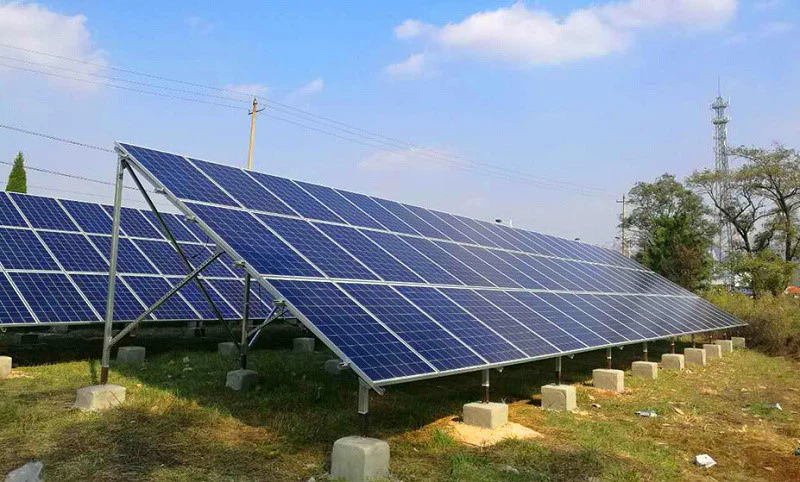
Enterprise energy procurements are high-stakes, multi-decade capital investments. Navigating technical evaluation matrices requires addressing issues related to interoperability, system resilience, and bankability.
Our solutions feature native compatibility with Modbus TCP/RTU, CAN Bus, BACnet, and MQTT protocols, ensuring smooth integration with existing legacy SCADA systems and building management systems (BMS).
We implement multi-layered safety mechanisms compliant with UL9540A and IEC 62619 standards, featuring real-time thermal monitoring, gas detection, and cell-level isolated shutdown systems.
By optimizing round-trip efficiency (RTE) to exceed 92% and maximizing depth of discharge (DoD) to 95%, our systems significantly lower the Levelized Cost of Storage (LCOS) for long-term projects.
Suzhou GeoSyn Solar Co., Ltd. is a leading innovator in the solar energy sector, specializing in smart solar power systems for both residential and commercial applications. Headquartered in Suzhou, China, the company has earned a strong reputation for delivering high-performance, reliable, and sustainable solar solutions under its flagship brand, ApexSolar. By combining advanced technology with intelligent energy management, Suzhou GeoSyn Solar aims to meet the growing global demand for clean and efficient energy solutions.
The company’s product portfolio includes residential rooftop solar systems, commercial-scale solar installations, energy storage solutions, and advanced solar monitoring platforms. Each system is designed to optimize energy generation, reduce electricity costs, and provide reliable power even in off-grid or hybrid configurations. With a focus on smart inverters, battery integration, and IoT-enabled monitoring, Suzhou GeoSyn Solar ensures that its solutions offer seamless performance, real-time diagnostics, and user-friendly operation.
In addition to product innovation, the company emphasizes sustainability, quality control, and rigorous research and development. Suzhou GeoSyn Solar collaborates closely with architects, engineers, and municipalities to deliver tailored solutions that address unique site requirements and maximize energy efficiency.
Committed to advancing renewable energy adoption worldwide, Suzhou GeoSyn Solar Co., Ltd. continues to expand its global footprint, offering innovative, intelligent, and eco-friendly solar power systems that empower communities, businesses, and homes to achieve energy independence while reducing environmental impact.
Suzhou's strategic positioning within the Yangtze River Delta industrial corridor grants unprecedented access to raw materials, downstream components, and leading technical experts.
From primary lithium extraction and cell fabrication to high-power semiconductor assembly and firmware development, our local supply chain reduces transport delays, controls costs, and ensures component traceabilty.
Our agile engineering divisions utilize standard hardware architectures and modular software templates. This structure allows us to develop custom design proof-of-concepts, execute thermal testing, and refine enclosure designs in weeks rather than quarters.
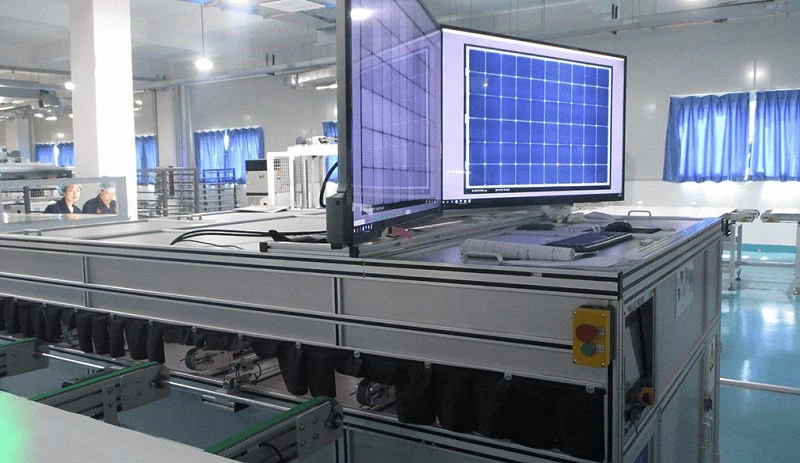
Our factory operations employ highly automated assembly lines, optical inspection cameras, and end-of-line load testing. These quality controls verify that every inverter and battery pack leaving our facility functions reliably.
Compare standard configurations of our smart energy systems, customizable to specific site requirements and local utility compliance rules.
| System Architecture Parameter | Residential Hybrid (3kW - 15kW) | Commercial & Industrial (50kW - 500kW) | Utility & Microgrid (500kW - 10MW+) |
|---|---|---|---|
| Battery Chemistry Compatibility | LiFePO4 (LFP) | LiFePO4 (LFP) / Liquid-Cooled BESS | LFP Liquid-Cooled / Flow Battery Option |
| Edge Controller Protocol Support | Modbus RTU, CAN, Wi-Fi | Modbus TCP, BACnet, Ethernet, CAN | IEC 61850, DNP3, Modbus, Fiber Optic |
| Switching Response Time (Grid Fail) | < 10 ms (UPS Class) | < 20 ms (Seamless Transfer) | Static Transfer Switch (< 4 ms) |
| Enclosure IP Rating | IP55 / IP65 NEMA 4X | IP55 NEMA 3R | IP55 / NEMA 3R Containerized (HVAC Integration) |
| Software / API Integration | Mobile App (Bluetooth/Cloud) | Web Console, RESTful API, SCADA | Full SCADA, Cloud API, VPP Client Interlink |
We design products to meet local electrical and cybersecurity codes. Our regulatory division works to keep our systems compliant with the latest grid requirements globally.
Our smart energy conversion systems are certified to leading standards, including UL 1741 SB, IEEE 1547-2018, IEC 62109, and AS4777. These standards verify compliance with strict grid interconnection codes, enabling active voltage and frequency regulation, zero-export control, and low-voltage ride-through (LVRT) capabilities.
Because energy hardware is increasingly internet-enabled, cybersecurity is a priority. Our cloud architectures, MQTT connections, and REST APIs employ TLS 1.3 encryption, two-factor authentication, and comply with EU GDPR and US SOC2 data handling guidelines.
To support global partners, we operate certified technical service hubs across Western Europe, North America, and Australia. These centers coordinate commissioning, process field-replaceable unit (FRU) swaps, and deliver remote firmware updates (FOTA) to keep systems performing optimally.
Reduces demand charges by discharging batteries when facility loads peak, lowering utility costs.
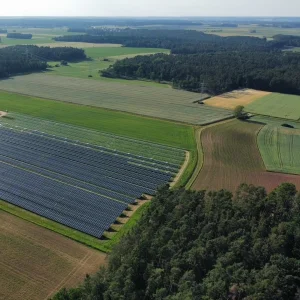
Combines diesel gensets, solar arrays, and energy storage with microgrid controls to maximize fuel displacement.
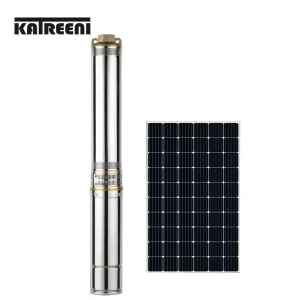
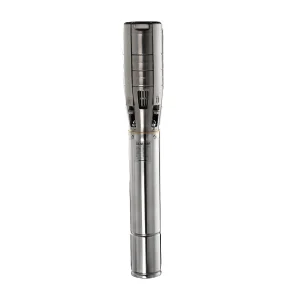
Pairs brushless submersible DC solar pumps with storage tanks to optimize irrigation scheduling around solar generation windows.
Detailed technical explanations from our engineering department regarding installation, optimization, and system safety.
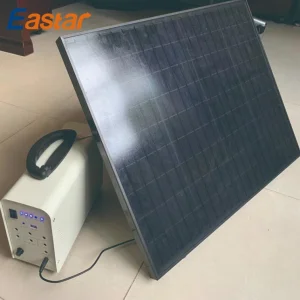
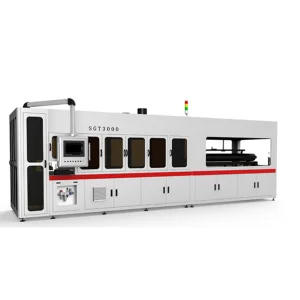
Explore auxiliary equipment, including deep well pumps, solar arrays, mounting brackets, and specialized industrial manufacturing machinery.
 GeoSyn Solar