Solar energy is a vital component of our renewable energy future. However, many users wonder, "Why do solar panels lose efficiency over time?" Understanding this phenomenon is crucial for both current and prospective solar panel owners. Studies show that after 25 years, solar panels typically have around 80% of their original efficiency.
The factors affecting this decline include environmental elements and wear and tear. For instance, UV radiation, temperature fluctuations, and harsh weather can degrade the materials used in solar panels. According to a report from the National Renewable Energy Laboratory, degradation rates average around 0.5% to 1% per year.
This gradual decline raises important questions about longevity and performance. Some panels experience greater reductions in efficiency, especially lower-quality models. Proper maintenance can mitigate these losses, but many users remain unaware of the risks involved. Understanding these dynamics can help consumers make informed decisions about their investments in solar energy.
Understanding Solar Panel Efficiency and Its Importance
Solar panel efficiency is a crucial measure of their effectiveness in converting sunlight into electricity. Over time, this efficiency naturally declines. Industry reports suggest that solar panels typically lose about 0.5% to 1% of their efficiency each year. This gradual loss can be attributed to various factors like environmental conditions, material degradation, and dust accumulation.
Understanding the importance of this efficiency loss is vital for consumers and investors alike. A study by the National Renewable Energy Laboratory indicates that a 20% efficiency rate means a solar panel generates 20% of the maximum potential energy. As efficiency decreases, the energy output diminishes, affecting the return on investment for solar energy systems. Proper installation and regular maintenance can mitigate some losses, but not all.
This challenge invites reflection on the materials used in solar cells. For instance, monocrystalline panels, though more efficient, can be prone to temperature sensitivity. On the other hand, thin-film solar cells are less efficient but often less impacted by environmental factors. This diversity in technology underscores the need for informed decision-making when selecting solar energy solutions.
Factors Affecting Solar Panel Efficiency Over Time
Solar panels experience a decline in efficiency over time due to several factors. One primary reason is environmental degradation. Dust, dirt, and bird droppings accumulate on the surface, obstructing sunlight absorption. Regular cleaning can mitigate this, but many homeowners forget this crucial maintenance.
Temperature fluctuations also impact solar panel performance. High heat can reduce efficiency, especially if panels are not properly ventilated. Over time, exposure to extreme temperatures can degrade materials, leading to lower energy output.
Additionally, the technology itself has limitations. Most solar panels have a guaranteed efficiency for a certain period. After this, the efficiency gradually decreases, often by 0.5% to 1% per year. This gradual decline goes unnoticed but accumulates over time. Regular monitoring of performance can help identify issues early, allowing for repairs or replacements before efficiency drops significantly.
Why Do Solar Panels Lose Efficiency Over Time - Factors Affecting Solar Panel Efficiency Over Time
| Factor |
Description |
Impact on Efficiency (%) |
Typical Lifespan (Years) |
| Temperature |
High temperatures can decrease the efficiency of solar panels. |
-10 to -20% |
25 |
| Dust and Dirt |
Accumulation of dirt can obstruct sunlight and lower efficiency. |
-5 to -15% |
25 |
| Aging |
Over time, solar panels degrade and lose their effectiveness |
-0.5 to -1% per year |
25-30 |
| Shading |
Obstructions such as trees or buildings can cause shading that reduces energy production. |
-20 to -100% (if fully shaded) |
25 |
| Weather Conditions |
Frequent storms, heavy rain, or snow can affect performance temporarily. |
-5 to -30% |
25 |
Common Degradation Mechanisms in Solar Panels
Solar panels are an incredible technology, but they do lose efficiency over time. Understanding the common degradation mechanisms is crucial for optimizing their lifespan. One primary factor is the exposure to sunlight. Ultraviolet (UV) rays can cause materials to break down. Over years, this leads to reduced energy output.
Another common issue is temperature fluctuations. Panels heat up during the day and cool down at night. This expansion and contraction can stress the materials, creating microcracks. These cracks develop slowly but can significantly impact performance. They are often hard to detect until they become apparent.
Moisture intrusion is another concern. If water penetrates the panel's layers, it can lead to corrosion. This process may be slow, but over time, it weakens the components. Many owners neglect this issue until it's too late. Regular inspections can help identify early signs of degradation. Awareness of these mechanisms can lead to better maintenance and longer-lasting solar energy systems.
Preventive Measures to Maintain Solar Panel Efficiency
Solar panels can lose efficiency over time due to various factors. Dust, dirt, and debris accumulate on their surfaces, blocking sunlight. Even a thin layer of grime can reduce performance. Weather conditions, such as heavy rain or snow, may also affect their functionality.
To maintain solar panel efficiency, regular cleaning is essential. Use a soft brush or cloth for the removal of dirt. In some cases, professional services can ensure a thorough clean. Another preventive measure is to monitor performance consistently. Keeping track of energy output can help identify issues early.
Shade can significantly impact solar panel efficiency. Trees or buildings may cast shadows, reducing sunlight exposure. Regularly pruning trees can mitigate this. Annual inspections by professionals are recommended. These checks can spot potential problems before they worsen. Investing time and effort into maintenance pays off in the long run.
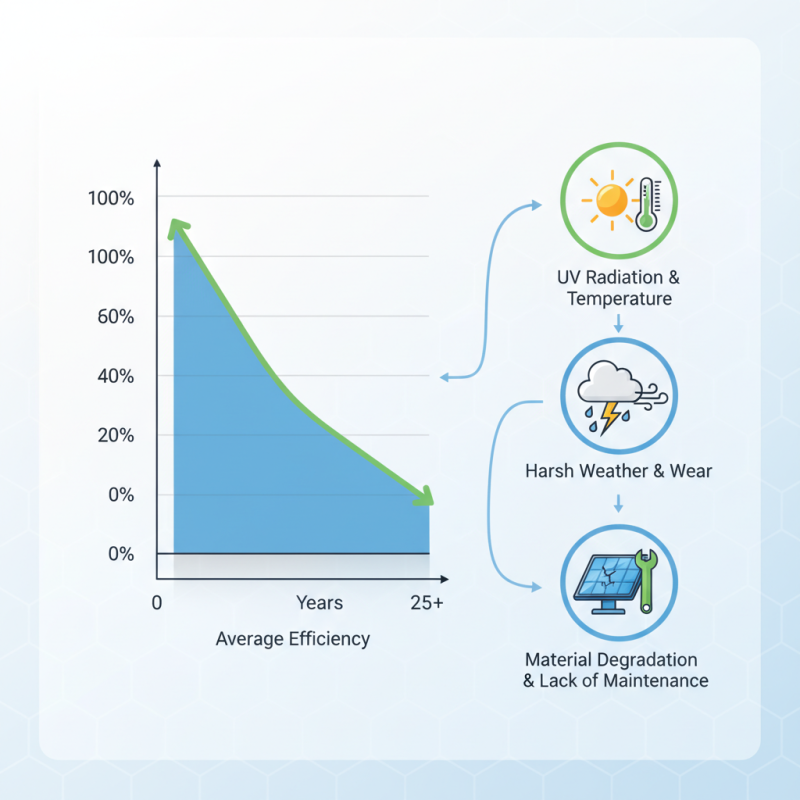
Solar Panel Efficiency Over Time
This chart illustrates the average efficiency of solar panels over a 25-year period, showcasing how performance declines as age increases. Preventive measures can help maintain higher efficiency rates.
The Role of Maintenance in Extending Solar Panel Lifespan
Solar panels can lose efficiency over time due to various factors such as dirt accumulation, wear, and environmental conditions. Regular maintenance is crucial for extending their lifespan. According to the National Renewable Energy Laboratory, neglecting solar panel upkeep can lead to a 20% decrease in energy production. Keeping panels clean helps ensure optimal performance and energy output.
Regular cleaning can significantly enhance efficiency. Dust, leaves, and debris can block sunlight. A simple wash with water or a microfiber cloth can restore functioning. Aim for maintenance at least twice a year. However, in regions with heavy rainfall, less frequent cleaning may be sufficient. It’s essential to assess your specific conditions.
Another critical aspect of maintenance is monitoring system performance. Using performance monitoring tools can help detect drops in energy output early. If panels exhibit significant performance issues, a professional inspection may be warranted. Many users are unaware of degradation until it affects their energy bills. Keeping a proactive approach can mitigate potential losses. Remember, every detail counts in achieving maximum efficiency.
Conclusion
The article "Why Do Solar Panels Lose Efficiency Over Time Explained" delves into the vital topic of solar panel efficiency and its long-term implications for energy production. Over time, solar panels experience a decline in efficiency due to various factors such as environmental conditions, material degradation, and exposure to ultraviolet (UV) radiation. Understanding these factors is essential for solar panel users looking to optimize their energy efficiency and maximize their investment.
Common degradation mechanisms include physical wear, thermal cycling, and potential-induced degradation, which can affect the overall output of solar panels. To combat these issues, preventive measures such as regular maintenance, cleaning, and timely inspections are crucial. By emphasizing the role of maintenance, the article highlights how proper care can significantly extend the lifespan and efficiency of solar panels, ultimately addressing the question of why do solar panels lose efficiency over time.

 GeoSyn Solar