When considering solar energy solutions, choosing the right solar panels is crucial. Many people ask, "What is the difference between monocrystalline and polycrystalline panels?" Understanding these differences affects efficiency and cost.
Monocrystalline panels are known for their sleek appearance and higher efficiency rates. They are made from single-crystal silicon, allowing electrons to flow freely. This results in superior power output. However, they often come at a higher price point. In contrast, polycrystalline panels consist of multiple silicon crystals, leading to a slightly lower efficiency. Yet, their manufacturing process is less energy-intensive, making them more affordable.
Reflecting on these options, it's important to consider your energy needs. Monocrystalline panels may be ideal for small rooftops with limited space. Meanwhile, polycrystalline panels are a budget-friendly choice for larger setups. Decision-making in solar energy requires careful thought. Each type has its strengths and weaknesses, demanding a thoughtful approach to find the best fit for your needs.
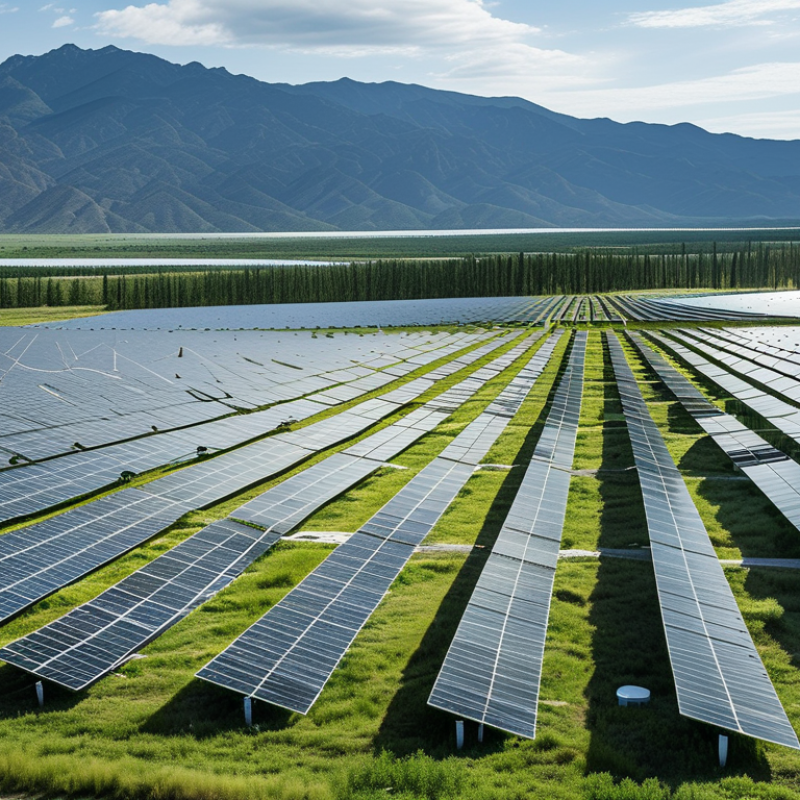
Key Characteristics of Monocrystalline Solar Panels
Monocrystalline solar panels are widely recognized for their efficiency and high power output. These panels are made from a single crystal structure, typically silicon. This structure allows them to convert sunlight into electricity more effectively than other types. According to the National Renewable Energy Laboratory, monocrystalline panels can achieve efficiencies of up to 22%. This makes them a favored choice for residential and commercial installations, especially where space is limited.
The appearance of monocrystalline panels is another distinguishing feature. They have a sleek, uniform look, generally presented in a black color. This aesthetic appeal can enhance the visual aspect of a property. Additionally, these panels tend to perform better in low-light conditions. However, the higher cost associated with monocrystalline technology remains a significant consideration for many buyers. Reports indicate that these panels can be 10-20% more expensive than their polycrystalline counterparts.
Manufacturing practices also impact the reliability of monocrystalline panels. While these panels have a longer lifespan, often exceeding 25 years, they are sensitive to extreme temperatures. Efficiency can decrease in high heat, which raises questions about performance in hotter climates. This need for performance optimization under varying conditions highlights an area for ongoing research and development.
Key Characteristics of Polycrystalline Solar Panels
Polycrystalline solar panels are known for their unique characteristics that set them apart in the solar energy market. Made from multiple silicon crystals, they often present a speckled blue color. This visual aspect is one of the first things people notice. The manufacturing process is less energy-intensive than that of monocrystalline panels. However, this may lead to slightly lower efficiency in energy conversion.
One notable advantage of polycrystalline panels is their cost-effectiveness. They are generally less expensive to produce, making them an appealing option for residential and commercial use. The trade-off is usually in the efficiency and space required. They perform better in moderate temperatures, yet their efficiency can drop in extreme heat. Therefore, selecting this type of panel should consider local climate conditions.
On the environmental front, polycrystalline panels have a smaller carbon footprint compared to their monocrystalline counterparts. However, they require more space for the same energy output. This can limit their application in compact areas. Evaluating the specific energy needs of a site is crucial for making an informed decision. Each individual's context will dictate whether these panels suit their objectives or if another option might offer better performance.
Efficiency Comparisons: Monocrystalline vs. Polycrystalline
When considering solar panels, efficiency is a key factor. Monocrystalline panels tend to have a higher efficiency rating than polycrystalline panels. This means that for the same area, monocrystalline panels generate more electricity. They typically offer over 20% efficiency. In contrast, polycrystalline panels average around 15-18%. This difference can impact the energy yield of a solar system.
The manufacturing process also affects efficiency. Monocrystalline panels are made from a single crystal structure, allowing for better electron flow. Polycrystalline panels consist of multiple crystal fragments, which can hinder performance. However, polycrystalline panels are often less expensive and can still provide decent power outputs, making them attractive for budget-conscious consumers.
It is important to weigh long-term benefits against initial costs. Monocrystalline panels may yield more energy over time but could require a larger upfront investment. Think about your energy needs, budget, and available space. Both types of panels have their pros and cons. A careful consideration leads to a more informed decision.
2026 Efficiency Comparison: Monocrystalline vs. Polycrystalline Panels
Cost Analysis: Monocrystalline and Polycrystalline Panels
When analyzing the cost differences between monocrystalline and polycrystalline solar panels, several factors come into play.
Monocrystalline panels typically have a higher efficiency rate, averaging around 20-22%. This means they require less surface area to produce the same amount of power compared to polycrystalline panels, which generally offer efficiencies of 15-17%. Therefore, the higher upfront cost of monocrystalline can be justified by their longer-term performance and energy savings.
A report from the National Renewable Energy Laboratory indicates that while monocrystalline panels can be 20-30% more expensive than their polycrystalline counterparts, they often have a lifespan that is 10-25% longer. This can translate into better long-term savings, especially in areas with limited roof space. Investors should carefully consider installation costs and potential energy output when making their choice.
Tip: Check local incentives for solar panel installations. These can help offset initial costs and improve return on investment.
Tip: Assess your roof's space and orientation. If space is limited, monocrystalline might be the better option despite the higher cost.
In some regions, polycrystalline panels can decrease in value more quickly than monocrystalline due to their lower efficiency. This might raise questions about long-term viability. Potential buyers should stay aware of market trends and technological advancements.
Environmental Impact and Lifespan of Solar Panel Types
Monocrystalline and polycrystalline solar panels both have environmental impacts worth considering. Monocrystalline panels are made from a single crystal structure. They tend to have higher efficiencies, but their production is energy-intensive. This process can lead to greater greenhouse gas emissions.
On the other hand, polycrystalline panels are created by melting multiple silicon crystals together. This method is less energy-demanding, which reduces their carbon footprint. However, polycrystalline panels are generally less efficient than their monocrystalline counterparts. This means more panels are needed for the same energy output, potentially impacting land use.
In terms of lifespan, both types have comparable longevity, typically lasting over 25 years. Advanced technology in solar panel manufacturing can enhance durability. However, these panels may degrade at different rates under various environmental conditions. Future improvements in technology and recycling processes are essential for minimizing waste.
FAQS
: They are known for their high efficiency and power output.
They are typically made from a single crystal structure of silicon.
Monocrystalline panels tend to perform better in low-light situations compared to others.
They can be 10-20% more expensive than polycrystalline panels, which raises budget questions.
They often exceed 25 years, making them a long-term investment.
They are sensitive to extreme temperatures, which can reduce efficiency in high heat.
If roof space is limited, monocrystalline panels may be the better choice despite their cost.
Yes, local incentives can help reduce initial costs for buyers.
Their lower efficiency may lead to quicker value depreciation in some regions.
Continuous research helps optimize performance under varying environmental conditions.
Conclusion
In exploring the question, "What is the difference between monocrystalline and polycrystalline panels?", it's essential to understand their key characteristics. Monocrystalline panels are known for their higher efficiency and performance in limited space, primarily due to their single-crystal structure, which allows for better energy absorption. Conversely, polycrystalline panels, created from multiple silicon crystals, tend to be less efficient but are often more affordable.
Efficiency comparisons reveal that monocrystalline panels usually outperform their polycrystalline counterparts under various conditions, although the latter offers a more budget-friendly option. Cost analysis shows that while the initial investment for monocrystalline panels may be higher, they can yield better long-term savings through higher energy output. Additionally, the environmental impact and lifespan of both types are critical considerations, with monocrystalline panels generally boasting a longer lifespan. Understanding these aspects can guide consumers in choosing the most suitable solar panel for their needs.

 GeoSyn Solar