Top 10 Tips to Improve PV Production Line Efficiency?

Time:2026-06-22 Author:Madeline
0%

In the competitive world of solar energy, optimizing production lines is crucial. Experts agree that improving efficiency can lead to significant gains in productivity and cost savings. Dr. Emily Chen, an authority in photovoltaic (PV) manufacturing, states, "Efficiency isn't just a goal; it's a necessity for the future of solar."

Many companies struggle with the complexities of production line setup and maintenance. To grasp how to improve PV production line efficiency, organizations must address bottlenecks in their workflows. This involves scrutinizing each stage of the manufacturing process, from material sourcing to final assembly. Without this introspection, inefficiencies can persist, draining resources and limiting growth potential.

Implementing advanced technology may seem daunting but can yield substantial benefits. For instance, integrating automation can streamline repetitive tasks and reduce human error. However, the challenge remains in balancing automation with workforce satisfaction. Continuous improvement is essential, yet organizations must remain vigilant about over-reliance on technology at the expense of skilled labor. By taking a thoughtful approach, companies can significantly enhance their production capabilities.
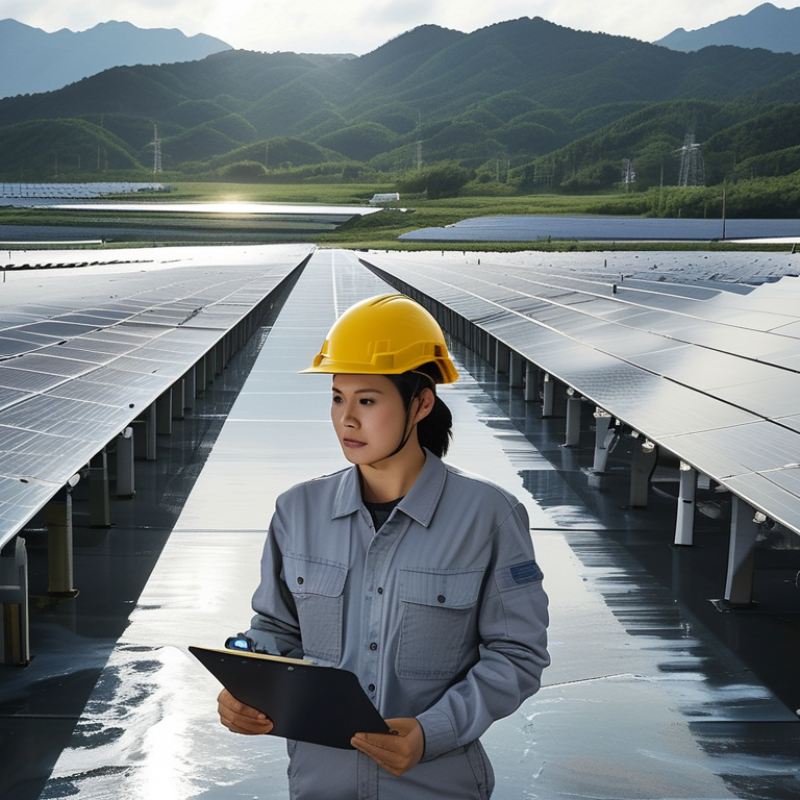
Top 10 Tips to Improve PV Production Line Efficiency?

Understanding the Importance of Efficiency in PV Production Lines

In the realm of photovoltaic (PV) production, efficiency is a key driver of success. A well-optimized production line can lead to increased output and reduced costs. Understanding the importance of this efficiency enables manufacturers to adapt their processes and improve quality. High efficiency not only boosts profitability but also enhances competitiveness in the market.

Examining production processes reveals areas for improvement. For instance, implementing automation can minimize human error but requires considerable investment. Regular training for staff is crucial to ensure they understand new technologies and practices. However, investing in training sometimes falls short. Employees may struggle to apply new skills effectively, which demands ongoing support.

Moreover, monitoring and analyzing production metrics can unveil hidden inefficiencies. Data collected during production provides valuable insights. By focusing on these metrics, companies can identify bottlenecks, but the reliance on data may overlook human factors. Balancing technology and human input fosters a more adaptable production environment. Ultimately, continuous reflection on processes is essential for sustained improvements in efficiency.

Top 10 Tips to Improve PV Production Line Efficiency

Tip Number Efficiency Improvement Tip Expected Outcome
1 Implement Automated Inspection Systems Reduced defects and rework
2 Utilize Lean Manufacturing Principles Minimized waste and optimized workflow
3 Regular Equipment Maintenance Increased uptime and reliability
4 Train Employees Regularly Improved skill levels and productivity
5 Implement Real-time Monitoring Systems Enhanced decision-making and response
6 Optimize Supply Chain Management Reduced lead time and costs
7 Enhance Workflow Layout Improved material handling and movement
8 Implement Quality Control Measures Enhanced product quality and consistency
9 Foster a Culture of Continuous Improvement Encouraged innovation and problem-solving
10 Utilize Data Analytics for Optimization Informed strategic decisions for efficiency

Implementing Lean Manufacturing Principles to Reduce Waste

Implementing lean manufacturing principles can significantly enhance productivity in PV production lines. Focus on eliminating waste, which can take many forms: excess material, overproduction, and waiting times. Each type creates inefficiencies that slow down the entire process. Regular audits of workflows help identify these areas. Small changes, such as reorganizing the workspace, can yield big results.


Encourage teams to adopt a culture of continuous improvement. Employees should feel empowered to suggest changes. Even minor tweaks can lead to reduced cycle times. Training sessions focused on lean principles can foster a deeper understanding. Engaging staff in this journey shows commitment to improvement, enhancing morale and efficiency.


Measuring success requires tracking key performance indicators (KPIs). Metrics like lead times and defect rates offer insights. However, remember that achieving perfection is nearly impossible. Some inefficiencies may linger. Reflecting on these challenges drives further innovation. Lean manufacturing is not a one-time fix; it’s an ongoing commitment to enhancing efficiency and productivity.

Utilizing Automation and Robotics for Enhanced Productivity

In the ever-evolving field of photovoltaic (PV) manufacturing, embracing automation and robotics is crucial. Industry reports indicate that automation can increase production efficiency by up to 30%. Robotics streamline processes, reduce human error, and enhance the precision of solar panel assembly. This shift is vital as manufacturers strive to meet rising global demand.

Integrating robotic systems can be a double-edged sword. While the initial cost is significant, the long-term savings from reduced labor costs and the potential for 24/7 operation are compelling. A study showed that companies utilizing automated systems reported a 20% drop in operational costs. However, the transition can leave some employees feeling uncertain about job security. This aspect requires thoughtful management and training programs to reskill workers.

Additionally, the use of data analytics further enhances the efficiency of automated systems. Real-time monitoring can identify bottlenecks and inconsistencies in production lines. However, reliance on technology poses challenges. Cybersecurity threats and system failures could disrupt operations. Balancing automation with human oversight is essential for sustainable growth in PV manufacturing.

Monitoring Key Performance Indicators (KPIs) for Continuous Improvement

Monitoring Key Performance Indicators (KPIs) is crucial for enhancing the productivity of photovoltaic (PV) production lines. A study by the International Energy Agency highlights that optimizing production efficiency can increase output by up to 25%. By understanding KPIs, manufacturers can pinpoint areas needing improvement. Common KPIs in this industry include cycle time, yield rates, and equipment effectiveness.

To improve efficiency, focus on real-time monitoring. This allows quick identification of issues that can slow down production. Implementing a daily review of KPIs helps teams to stay aligned. Regular discussions about these metrics foster a culture of accountability. For instance, tracking cycle time can reveal bottlenecks. Addressing these promptly can minimize downtime.

Another critical tip is to invest in training staff. Skilled workers are essential for maintaining quality and efficiency. Engaging employees in continuous improvement efforts can lead to innovative solutions. Regular workshops can enhance their understanding of the production process. In fact, OHSAS reports indicate that companies with trained staff see productivity gains of 15% or more. Routine analysis of KPIs combined with a trained workforce creates a solid foundation for long-term efficiency enhancements.

Top 10 Tips to Improve PV Production Line Efficiency

Training and Skill Development for Workforce Optimization in PV Lines

Training and skill development play a crucial role in optimizing workforce efficiency in photovoltaic (PV) production lines. Ensuring that employees are well-trained can form the backbone of a more efficient workflow. For example, operators who understand machinery and troubleshooting techniques can significantly reduce downtime.

Short, focused training sessions can enhance technical skills, making employees more competent and confident.

Regular workshops and hands-on training foster a learning culture. Encouraging workers to share their challenges and solutions can inspire innovation. Peer learning is valuable. Employees often feel more engaged when they contribute ideas for improvement.

However, not all training programs yield immediate results. Some may require adjustments based on feedback and changing conditions on the production floor. It’s crucial to analyze these outcomes objectively.

A well-structured development plan can address these gaps. This plan should include evaluations of employee performance before and after training initiatives. Setting clear objectives is essential. When employees see tangible improvements in their work, it reinforces the benefits of continuous learning. Balancing skills training with practical experience is key. The real-world application of skills learned can lead to enhanced productivity.

FAQS

: Why is efficiency important in photovoltaic production lines?

: Efficiency increases output and reduces costs, enhancing profitability and competitiveness in the market.

How can automation impact production efficiency?

Automation can boost efficiency by up to 30%, reducing human error and improving precision in assembly.

What are some challenges of integrating robotics in production?

Initial costs are high, and employees may feel uncertain about job security, necessitating careful management.

How can manufacturers identify inefficiencies in production?

Monitoring production metrics provides insights into bottlenecks, but human factors should not be overlooked.

What role do Key Performance Indicators (KPIs) play?

KPIs help identify areas for improvement, enabling quick resolutions to minimize production slowdowns.

How important is staff training in improving production efficiency?

Regular training ensures employees understand new technologies, but sometimes, they may struggle to apply these skills.

What are common KPIs in photovoltaic manufacturing?

Cycle time, yield rates, and equipment effectiveness are key metrics to focus on for enhancements.

How does real-time monitoring contribute to production?

It allows for quick identification of issues, minimizing downtime and fosters a culture of accountability among teams.

Can over-reliance on technology be risky?

Yes, it poses challenges like cybersecurity threats and potential system failures that could disrupt operations.

What can be done to foster continuous improvement?

Regular discussions about KPIs and engaging skilled employees in improvement efforts can lead to innovative solutions.

Conclusion

Improving PV production line efficiency is crucial for maximizing productivity and reducing costs. To achieve this, manufacturers should understand the significance of efficiency metrics and implement lean manufacturing principles aimed at minimizing waste throughout the production process. By streamlining workflows and optimizing resource allocation, companies can enhance overall performance.

Furthermore, the integration of automation and robotics can significantly boost productivity levels by accelerating processes and reducing human error. Regular monitoring of Key Performance Indicators (KPIs) allows for continuous improvement, ensuring that production standards are maintained. Additionally, investing in training and skill development for the workforce can lead to better performance and optimization of PV lines, directly contributing to how to improve PV production line efficiency.

Madeline

Madeline

Madeline is a dedicated marketing professional with a wealth of expertise in our company's core offerings. With a keen understanding of the industry, she brings a unique perspective to her role, consistently delivering high-quality content that highlights the superior aspects of our products. As......