Why Solar Panels Are Less Efficient In Winter Conditions?

Time:2026-06-04 Author:Charlotte
0%

Solar energy is a popular and clean power source. However, many people question why solar panels perform differently in winter. This season presents unique challenges that affect solar efficiency.

Winter brings shorter days and more cloud cover, limiting sunlight exposure. Snow and ice can also accumulate on panels, obstructing sunlight, further reducing energy output. The colder temperatures impact the efficiency of the solar cells themselves. These factors combine to lower performance significantly compared to summer conditions.

Understanding why solar panels are less efficient in winter is essential for anyone considering solar energy. While solar technology continues to improve, winter conditions remind us of its limitations. By acknowledging these seasonal effects, users can better plan and maximize their solar investments.
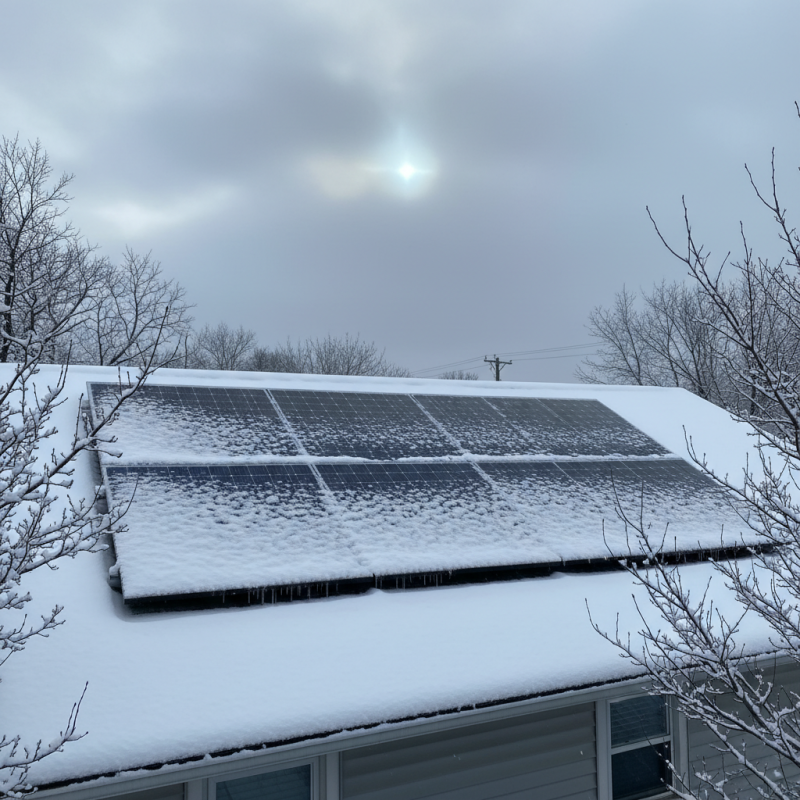
Why Solar Panels Are Less Efficient In Winter Conditions?

Understanding Solar Panel Efficiency Differences Across Seasons

Solar panels operate differently across seasons due to various environmental factors. In winter, the days are shorter, and sunlight intensity is lower. Snow and ice can also cover panels, reducing their effectiveness. These conditions lead to decreased solar energy absorption.

Temperature plays a crucial role in solar panel performance. While panels can work efficiently in cold weather, the reduced sunlight causes a decline in output. Shadows from nearby trees or buildings are longer in winter, further limiting energy capture. Even in bright, sunny days, snow can create reflection, causing light to bounce away from panels.

Maintenance becomes essential during winter months. Regularly clearing snow and ice can improve efficiency. Photovoltaic systems need to be assessed for potential issues, too. Understanding these seasonal differences helps in planning and maximizing energy production. Each season has its unique challenges, requiring ongoing adjustments.

Impact of Temperature on Solar Panel Performance

As temperatures drop in winter, solar panel efficiency can decrease significantly. Cold weather affects how well solar panels convert sunlight into electricity. While panels are designed to operate in various conditions, they often perform poorly during the colder months.

Low temperatures can reduce a solar panel's electrical resistance, which seems beneficial. However, shorter daylight hours and increased cloud cover in winter mean less sunlight. This combination leads to reduced energy output, and snow accumulation can further block sunlight. Understanding this interplay between temperature and solar energy is key for optimizing performance during winter.

**Tips:** To maximize your solar panel efficiency in winter, ensure panels are free of snow and debris. Regular maintenance checks can help identify issues early. Consider using a tilt system for better sun exposure when the sun is lower in the sky.

Why Solar Panels Are Less Efficient In Winter Conditions? - Impact of Temperature on Solar Panel Performance

Temperature (°C) Solar Panel Efficiency (%) Snow Accumulation (cm) Sunlight Hours (hours/day)
-10 12 15 5
0 15 10 6
5 17 5 7
10 20 3 8
15 22 0 9

Influence of Snow and Ice Accumulation on Solar Panels

Winter weather can significantly reduce the efficiency of solar panels. One major factor is snow accumulation. When snow covers the panels, it obstructs sunlight from reaching the photovoltaic cells. Even a thin layer of snow can block enough light to decrease energy production.

Ice poses another challenge. It can create a solid barrier on the solar panels. Over time, this ice can form a thick crust. As a result, the panels may become virtually unusable until the ice melts. During this period, homeowners might not realize how much potential energy they are losing.

Moreover, solar panels work less efficiently in colder temperatures. While they generate more electricity in cooler weather, the benefits of increased efficiency are often negated by snow and ice. Assessing these conditions is crucial for anyone relying on solar energy in winter. Regular maintenance and swift removal of snow can help improve performance. It's clear that winter presents unique obstacles for solar energy use, and adapting to these challenges requires ongoing effort and attention.

Reduced Sunlight Hours During Winter Months

During winter months, solar panels face significant challenges due to reduced sunlight hours. Days become shorter, limiting the time available for solar energy generation. On average, regions in the northern hemisphere may experience as little as six hours of peak sunlight. This decrease in sunlight directly impacts the energy output of solar panels.

Moreover, the sun's angle changes in winter. The rays hit the panels at a lower angle, reducing their efficiency. Shadows cast by trees or buildings can further diminish exposure to direct sunlight. As a result, solar systems may produce less energy compared to summer months.

It’s also essential to consider how cold weather affects solar technology. While some believe colder temperatures enhance efficiency, the lack of sunlight remains a critical factor. Many users report dissatisfaction with winter performance, highlighting a need for thoughtful energy management. Reflecting on these conditions is vital for optimizing solar energy use throughout the year.

Role of Angle and Tilt in Solar Panel Efficiency in Winter

The efficiency of solar panels can drop during winter months, primarily due to angle and tilt. In winter, the sun's path changes, resulting in a lower angle of sunlight. This affects how much light hits the solar panels. If the panels are not properly tilted, they capture less sunlight, leading to decreased energy production.

To maximize efficiency, consider adjusting the tilt of your panels. A steeper angle allows for better light capture when the sun is lower. This adjustment can significantly improve energy absorption on cloudy, wintry days. Regular maintenance is also crucial; snow accumulation on panels can block sunlight. Clear any snow off promptly to ensure optimal performance.

Tips: Aim to adjust your panels’ angle based on seasonal changes. Utilizing a rack mount can help in making these adjustments easier. Also, consider the location of your panels; keeping them clear of nearby trees will reduce shading and enhance efficiency. Remember, a little effort in maintenance can lead to better energy output.

Why Solar Panels Are Less Efficient In Winter Conditions?

FAQS

: How do seasons affect solar panel efficiency?

: Solar panels perform differently in various seasons due to sunlight intensity and environmental factors.

What happens to solar panels in winter?

Winter reduces sunlight exposure. Snow and ice can cover the panels, decreasing energy absorption.

Does temperature impact solar panel performance?

Yes, colder temperatures can enhance panel efficiency, but lower sunlight often reduces overall output.

How does snow affect solar panel energy production?

Snow layers can block sunlight, significantly reducing energy production even with a thin coating.

What issues arise from ice on solar panels?

Ice creates barriers that may prevent sunlight from reaching the panels, making them nearly unusable.

Why is maintenance important in winter for solar panels?

Regularly removing snow and ice can greatly improve efficiency and energy output during winter months.

Are shadows a problem for solar panels in winter?

Yes, longer shadows from trees or buildings in winter can limit energy capture on solar panels.

What should homeowners do in winter to optimize solar panel use?

Homeowners should assess panel conditions and maintain them by clearing snow and ice regularly.

Can solar panels still generate power in extremely cold weather?

Solar panels can generate power in cold but struggle if covered by snow or ice.

What is a common oversight in winter for solar energy users?

Homeowners may underestimate energy loss due to snow and ice accumulation on their panels.

Conclusion

Why solar panels perform differently in winter can be attributed to several factors that affect their efficiency. Firstly, the colder temperatures can enhance the electrical performance of solar cells, but this is often offset by other winter conditions. For instance, snow and ice accumulation on panels can obstruct sunlight, drastically reducing their output. Additionally, during the winter months, shorter daylight hours mean less sunlight available for energy production.

Moreover, the angle and tilt of solar panels play a crucial role in maximizing efficiency during this season. Properly angled panels can minimize snow accumulation and capture more sunlight when it is available. Altogether, understanding these elements helps explain the variations in solar panel performance as the seasons change, particularly in winter conditions.

Charlotte

Charlotte

Charlotte is a seasoned marketing professional with a deep understanding of the company's portfolio and a passion for elevating its presence in the market. With a keen eye for detail and a commitment to excellence, she ensures that our professional blog is regularly updated with insightful articles......