Top 10 Reasons Your Solar Inverter Overheats and Solutions?

Time:2026-05-03 Author:Isabella
0%

Understanding "Why does my solar inverter overheat" is essential for solar energy users. A solar inverter is a key component that converts direct current (DC) to alternating current (AC). When it overheats, it can lead to poor performance and even equipment damage.

There are several reasons behind this issue. Poor ventilation and extended operation in high temperatures are common culprits. Additionally, dust accumulation can hinder cooling processes. As a result, the inverter may run hotter than normal.

Addressing this overheating is crucial for maintaining efficiency and longevity. Practical solutions include ensuring proper airflow and regular maintenance. Investing time in these steps can prevent future problems. Awareness of these factors is critical for all solar users.
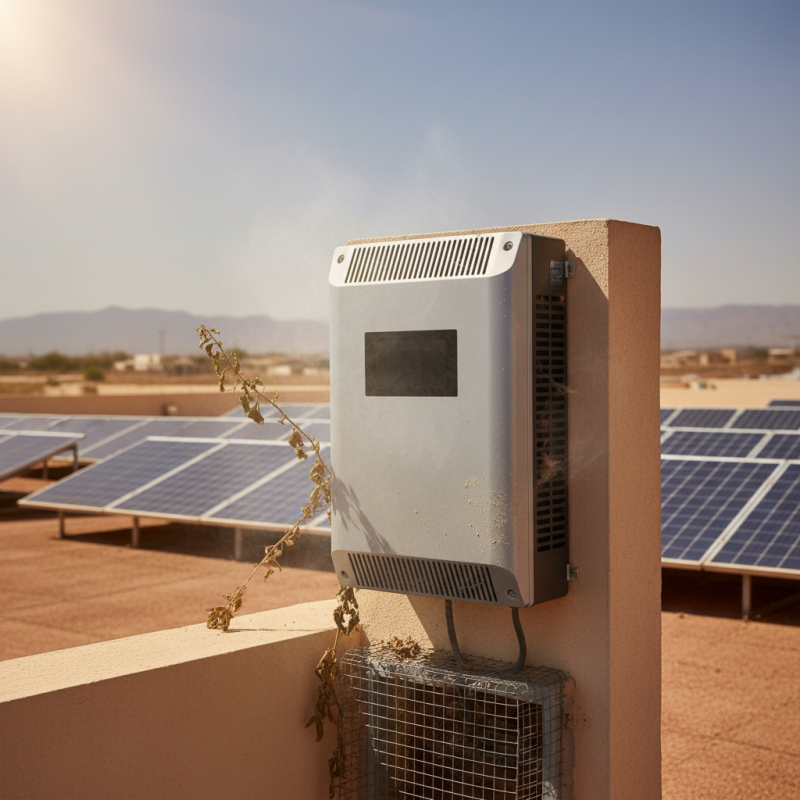
Top 10 Reasons Your Solar Inverter Overheats and Solutions?

Understanding the Basics of Solar Inverter Functionality

A solar inverter is an essential component of any photovoltaic system. It converts the DC electricity generated by solar panels into AC electricity, which is used by homes and businesses. Understanding the functionality of solar inverters is crucial for optimizing their performance. According to the National Renewable Energy Laboratory, efficient inverter operation can lead to a 5-15% increase in overall system performance, highlighting their importance.

Solar inverters operate within specific temperature ranges. If temperatures exceed these limits, performance can degrade. This overheating often results from inadequate ventilation or prolonged exposure to direct sunlight. Reports indicate that inverters may lose around 10% efficiency for every 10°C increase in temperature above their optimal range. Regular maintenance and proper positioning can help mitigate these heating issues.

Inverters also face challenges during peak usage times. During peak sun hours, loads increase, which can contribute to overheating. Light shading on solar panels can exacerbate this problem, leading to significant losses. System owners should monitor performance data regularly to identify trends. Regular inspections can reveal underlying issues, helping to enhance the reliability of the entire solar energy system.

Common Causes of Overheating in Solar Inverters

Overheating is a common issue for solar inverters. It can lead to system inefficiency and even damage. Industry reports indicate that inverter failures contribute to up to 25% of a solar system’s downtime. Many factors cause this overheating, including poor ventilation, dust accumulation, and high ambient temperatures. When inverters operate beyond their thermal limits, internal components can degrade, damaging the unit.


Ventilation is critical. Ideally, inverters should be installed in shaded areas, allowing for optimal airflow. Dust can obstruct cooling features, raising operating temperatures significantly. A study found that even a 2°C increase in temperature may reduce inverter efficiency by 1%. Regular maintenance is essential. Cleaning the inverter regularly helps maintain airflow and performance.


Tip: Install temperature monitoring systems. These can alert you to overheating issues before they cause significant damage.


Another cause is overloading. Many inverters are rated for a specific capacity. Overloading can happen during peak sun hours. This leads to excess heat generation. Using a data logger can help track the electrical load. It can prevent damage from excessive currents.


Tip: Consider upgrading to a higher-rated inverter if you frequently experience overheating. It can provide more headroom for performance.

Impact of Ambient Temperature on Inverter Performance

Ambient temperature plays a crucial role in the performance of solar inverters. High temperatures can lead to overheating, which can cause significant issues. Inverters are designed to work optimally within specific temperature ranges. When the ambient temperature rises above these limits, the inverter may struggle to operate efficiently. This can result in decreased energy production and even damage to the unit itself.

Overheating can trigger a shutdown to protect the inverter from further harm. Therefore, it’s important to monitor the temperature around your inverter. Installing it in a shaded area or using cooling fans can mitigate heat buildup. Proper ventilation is key. If your inverter is placed in a confined space, it may not be able to dissipate heat effectively. Inadequate airflow can exacerbate overheating problems, making the inverter prone to malfunctions.

Moreover, regular maintenance is essential to ensure that your inverter operates well under varying temperatures. Dust and debris can accumulate in and around the unit, insulating it and raising its temperature. Conduct periodic checks to maintain optimal performance. Keeping an eye on the weather forecast can also guide you in taking preventive measures during extreme heat events. Understanding these factors is vital for prolonging the life of your solar inverter.

Effective Cooling Solutions for Solar Inverters

Solar inverters play a crucial role in managing the electricity produced by your solar panels. However, overheating can be a common issue that affects performance and longevity. Effective cooling solutions are essential to maintain optimal functioning.

One effective strategy is ensuring adequate ventilation around the inverter. Installing the unit in a shaded area can help reduce direct heat exposure. Adding fans or venting can enhance airflow and lower the internal temperature of the inverter. This simple adjustment can significantly improve its efficiency.

Tip: Regular maintenance checks are vital. Clean dust and debris from vents to ensure proper airflow. Another solution is to monitor the temperature regularly. Some inverters come with temperature sensors that help you track this. If temperatures rise too high, it might be time to consider relocating the inverter or investing in a cooling system.

A more advanced solution involves using heat sinks or thermal management systems. These can regulate temperature effortlessly, though they may involve a higher upfront cost. Investing in such systems could pay off in the long run by prolonging the inverter’s lifespan and ensuring consistent power output.

Top 10 Reasons Your Solar Inverter Overheats

Preventive Measures to Avoid Overheating Issues

Overheating is a common issue with solar inverters, impacting efficiency and lifespan. To prevent these problems, regular maintenance is essential. Ensure your inverter is clean and free from dust. Dust buildup can obstruct airflow and cause excessive heat. Checking for proper ventilation is equally important. Install the inverter in a shaded area or ensure it has adequate air circulation.

Installing temperature monitoring systems can help. These systems alert you when temperatures exceed safe limits. Additionally, consider investing in cooling solutions, such as fans or heat sinks. They can be particularly effective in areas with high temperatures. Regularly inspect the inverter's components for wear, as damaged parts may lead to overheating.

Don’t ignore software updates provided by manufacturers. They may contain enhancements that improve performance and reduce heat generation. If you notice unusual signs like frequent shutdowns or lint buildup, it’s time to act. Ignoring these issues may lead to costly repairs or replacements. Taking proactive measures ensures your inverter operates efficiently and lasts longer. Monitor your system regularly and address any issues promptly.

Top 10 Reasons Your Solar Inverter Overheats and Solutions

Reason Description Preventive Measure
Poor Ventilation Inverters require adequate airflow to dissipate heat effectively. Install the inverter in a well-ventilated area.
High Ambient Temperature Extremely hot climates can cause temperature spikes. Use a heatsink or install the inverter in a cooler location.
Dust Accumulation Dust can block air flow and trap heat. Regularly clean the inverter and its surroundings.
Overloading Running beyond the optimal capacity generates excess heat. Monitor load and avoid exceeding the inverter’s capacity.
Faulty Components Defects in components can lead to inefficient heat management. Regular maintenance checks; replace defective components.
Inadequate Heat Sink A poor-quality or insufficient heat sink can retain heat. Upgrade to a high-efficiency heatsink.
Cable Connections Loose or corroded connections can create resistance and generate heat. Inspect and tighten all electrical connections regularly.
Inverter Location Direct sunlight can raise the inverter temperature significantly. Install the inverter in shaded or protected locations.
Improper Installation Incorrect installation may lead to inefficiencies. Follow manufacturer guidelines; consider professional installation.
System Age Older inverters may not function as efficiently. Evaluate the need for replacement as the system ages.

FAQS

: What causes overheating in solar inverters?

: Overheating is often caused by poor ventilation, dust accumulation, and high ambient temperatures.

How can poor ventilation impact inverter performance?

Inadequate airflow raises operating temperatures, leading to inefficiency and potential damage to the inverter.

How often should I clean my inverter?

Regular cleaning maintains airflow and performance. Aim for periodic checks, especially if dust accumulates easily.

What role does ambient temperature play?

High ambient temperatures can push inverters beyond their operational limits, reducing energy production and causing damage.

How can I monitor for overheating issues?

Installing temperature monitoring systems can alert you to overheating before significant damage occurs.

Should I upgrade my inverter if it overheats frequently?

Yes, upgrading to a higher-rated inverter can provide more capacity and prevent overheating during peak sunlight hours.

What are some additional cooling solutions?

Installing cooling fans or heat sinks can effectively manage heat build-up in high-temperature areas.

Why is regular maintenance important?

Regular maintenance prevents dust buildup and ensures components function well, reducing the risk of overheating.

What should I do if my inverter frequently shuts down?

Frequent shutdowns could indicate overheating or damage. Address these issues promptly to avoid costly repairs.

How can weather forecasts help with inverter care?

Monitoring forecasts can guide you to take preventive measures during extreme heat events affecting your solar system.

Conclusion

Understanding the functionality of solar inverters is crucial for optimizing their performance, especially when addressing the common issue of overheating. Several factors contribute to why does my solar inverter overheat, including improper installation, inadequate ventilation, excessive ambient temperatures, and operational overload. Recognizing the impact of surrounding temperatures on inverter efficiency is essential to prevent overheating.

Effective cooling solutions, such as improving airflow and installing external cooling systems, can significantly enhance inverter performance. Additionally, implementing preventive measures, such as regular maintenance checks and ensuring proper placement, can help avoid overheating issues altogether. By addressing these factors, solar inverter users can ensure their systems operate efficiently and extend the lifespan of their investment.

Isabella

Isabella

Isabella is a dedicated marketing professional with a sharp focus on driving brand growth and engagement through strategic content creation. With an extensive background in digital marketing, she combines her passion for storytelling with her keen understanding of industry trends to deliver......