How to Optimize Solar Street Lights for Urban Areas in 2026?

Time:2026-06-16 Author:Amelia
0%

Urban areas are increasingly adopting solar street lights due to their energy efficiency and sustainability benefits. A report by the International Renewable Energy Agency (IRENA) indicates that solar street lights can reduce energy costs by up to 75%. However, cities must consider various factors to maximize their effectiveness. This raises the question of "How to optimize solar street lights for urban areas" in the coming years.

Factors such as location, technology, and local climate highlight the need for tailored solutions. For instance, integrating smart sensors can enhance the efficiency of solar lights by adjusting brightness based on pedestrian traffic. The Global Lighting Association suggests that nearly 30% of street lighting in urban regions remains inefficient. This inefficiency can lead to wasted energy and increased operational costs.

Cities must also confront challenges, including potential inadequate sunlight during winter months. Reflecting on these aspects, there is an opportunity for improvement. Stakeholders must engage in a collaborative approach to develop frameworks that address these complexities while optimizing solar street lights for the diverse urban landscapes of 2026.
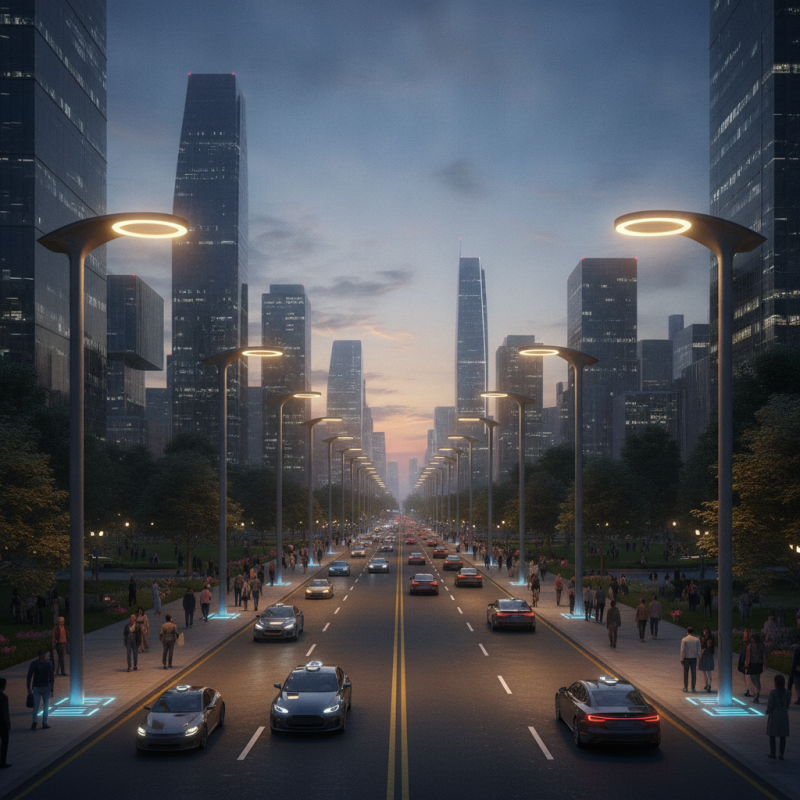
How to Optimize Solar Street Lights for Urban Areas in 2026?

Identifying Key Urban Challenges for Solar Street Lights in 2026

Urban areas face unique challenges when integrating solar street lights in 2026. According to a report by the International Renewable Energy Agency (IRENA), urban populations are expected to reach 68% of the global total by 2025. This rapid growth intensifies the need for effective street lighting solutions. Many cities struggle with inadequate infrastructure and high energy demands. These factors can hinder the deployment of solar technology, which relies on consistent and efficient energy management.

Maintenance is another significant issue. A study from the Solar Energy Industries Association (SEIA) highlights that nearly 25% of solar installations in urban settings encounter operational challenges due to damage and vandalism. Cities must develop better monitoring systems to identify and resolve issues promptly. Implementing IoT technologies can enhance real-time diagnostics, ensuring solar street lights operate efficiently and effectively.

Moreover, cities must address space constraints for solar arrays. The average urban street has limited square footage for installation. Creative designs, such as integrating lights into existing structures, could optimize space. Local governments will need to collaborate with urban planners to identify strategic locations for solar street lights that maximize exposure to sunlight. This proactive approach could pave the way for more sustainable urban lighting solutions in the near future.

Integrating Smart Technology to Enhance Solar Street Light Efficiency

In cities, optimizing solar street lights through smart technology is essential. Implementing sensors allows for real-time monitoring and adjustment of light levels based on pedestrian activity. This means lights can automatically dim in quiet areas, saving energy and extending battery life. Smart technology also helps detect malfunctions faster, reducing maintenance costs.

Integrating IoT (Internet of Things) devices enhances communication between lights and management systems. Data gathered can inform city planners about traffic patterns and safety concerns. However, reliance on technology can create vulnerabilities, like potential hacking. Cities must balance innovation with security measures.

Many urban areas have experienced challenges with solar street lights. Inconsistent sunlight can lead to power issues. It’s vital to consider the local climate when planning installations. Testing different configurations in various neighborhoods can provide valuable insights. Cities must remain adaptable and responsive to learn from their experiences. Optimizing solar street lights is a process, not an endpoint.

Evaluating Optimal Solar Panel Placement and Orientation in Urban Settings

The placement and orientation of solar panels in urban settings are critical to maximize energy efficiency. Urban environments present unique challenges, such as tall buildings and varying levels of sunlight exposure. For effective solar street light performance, panels should be positioned to minimize shading. A detailed analysis of surrounding structures helps identify optimal locations. Consider using rooftops or vacant lots that receive ample sunlight.

Orientation is equally important. Panels should ideally face true south in the northern hemisphere for maximum exposure. In dense cities, the angle may need adjustments to accommodate nearby obstacles. Regular assessments of local weather patterns can also guide optimal positioning throughout the year. Urban planners should conduct site visits to evaluate locations, ensuring they take full advantage of available sunlight.

Reflecting on past installations reveals potential pitfalls. Many projects overlooked the impact of nearby trees and buildings. Adjusting for changing urban landscapes is necessary. Feedback from local residents can inform decisions and lead to improved designs. Embracing flexibility and continuously learning from the environment will enhance the sustainability of solar street lights in future urban developments.

How to Optimize Solar Street Lights for Urban Areas in 2026?

Parameter Description Optimal Value Considerations
Panel Orientation The angle at which solar panels are installed. 30° - 45° Optimizes sunlight exposure throughout the year.
Panel Placement Positioning of panels to reduce shading from buildings and trees. South-facing, unobstructed Consider surrounding structures and vegetation.
Battery Capacity Amount of stored energy for night operation. 400 - 600 Wh Determine based on average nightly usage.
Light Intensity Brightness level of street lights. 200 - 400 lumens Ensure compliance with urban lighting standards.
Maintenance Frequency How often equipment needs inspection and service. Twice a year Based on environmental factors affecting street lights.

Selecting Energy Storage Solutions for Improved Performance and Longevity

In urban settings, optimizing solar street lights hinges on effective energy storage solutions. The right energy storage can significantly enhance performance, ensuring lights operate efficiently throughout the night. Recent industry reports indicate that lithium-ion batteries dominate the market, accounting for approximately 67% of energy storage applications in solar installations. Their high energy density and longevity are key advantages in urban environments.

However, battery technology is not without challenges. Lithium-ion batteries can be affected by temperature fluctuations, especially in extreme climates. Integrating temperature management systems can mitigate performance issues. Additionally, alternative options like flow batteries are gaining attention. They offer scalability and longer life cycles, albeit with a lower power density.

Tips for optimizing storage systems include regular performance assessments. Monitor capacity and efficiency regularly to anticipate failures. Consider hybrid systems combining different battery technologies. This approach can provide a buffer against the weaknesses of a single solution. Ultimately, selecting the right energy storage is crucial for achieving consistent operation and longevity in urban solar street lights.

Implementing Sustainable Maintenance Practices for Urban Solar Street Lights

Maintaining solar street lights in urban areas is crucial for their effectiveness. Sustainable practices can boost longevity and reliability. Regular inspections should be part of routine maintenance. This helps identify issues before they become major problems. For example, checking for dirt build-up on solar panels can ensure maximum energy absorption.

Routine cleaning is essential. Dust and debris can greatly reduce efficiency. Using eco-friendly cleaning solutions makes it sustainable. Additionally, battery health checks every six months can prevent unexpected outages. Monitoring light output ensures the brightness remains adequate for safety.

Community involvement is key. Engaging local organizations for support fosters ownership. Educating residents about the importance of these lights can increase care. Feedback from users provides valuable insights into maintenance needs. Reflection on practices can help improve future strategies. Embracing a proactive approach can lead to better urban lighting solutions.

Optimization of Solar Street Lights in Urban Areas (2026)

FAQS

: What are the key challenges when deploying solar street lights in cities?

: Urban areas face issues like inadequate infrastructure, high energy demands, and maintenance challenges affecting solar installations.

How does urban population growth impact solar street lighting needs?

As urban populations grow, the demand for effective street lighting solutions increases, making solar integration more pressing.

What role does maintenance play in the effectiveness of solar street lights?

Maintenance is essential; many installations face operational issues due to damage and vandalism. Regular checks are necessary.

How can cities optimize the placement of solar panels for street lights?

Panels should be positioned to avoid shading from buildings and trees. Rooftops or open lots with good sunlight are ideal.

Why is panel orientation important for solar efficiency in urban areas?

Panels should face true south in the northern hemisphere, and adjustments may be needed due to surrounding obstacles.

What sustainable practices can improve the maintenance of solar street lights?

Regular inspections, cleaning, and battery health checks can enhance reliability and efficiency over time.

How can community involvement benefit solar street light projects?

Engaging local organizations fosters ownership and care, while resident feedback helps improve maintenance strategies.

What should cities reflect on regarding past solar installations?

Past projects often missed the impact of nearby structures. Learning from these mistakes is vital for future success.

What are the benefits of eco-friendly cleaning solutions for solar panels?

Using eco-friendly solutions enhances sustainability while ensuring panels remain effective and free from dust and debris.

Why is flexibility important in urban solar street light planning?

Urban landscapes change; embracing flexibility allows for adjustments that improve solar lights’ performance and effectiveness.

Conclusion

In the pursuit of answering the question of "How to optimize solar street lights for urban areas," it is essential to identify the key challenges faced by these systems in urban environments by 2026. Urban settings often present issues such as limited sunlight exposure and variable traffic patterns, which necessitate innovative solutions. Integrating smart technology can significantly enhance the efficiency of solar street lights, allowing for real-time data collection and adaptive lighting based on pedestrian and vehicle presence.

Moreover, evaluating the optimal placement and orientation of solar panels is crucial to maximizing energy capture in congested urban areas. Selecting appropriate energy storage solutions will further contribute to improved performance and longevity, ensuring these systems remain functional during periods of low sunlight. Finally, implementing sustainable maintenance practices is vital for the long-term efficacy of solar street lights, promoting reliability and reducing overall operational costs in urban environments. By addressing these aspects, cities can effectively optimize solar street lights for better illumination and sustainability.

Amelia

Amelia

Amelia is a seasoned marketing professional with a wealth of expertise in our company’s core offerings. With an unwavering passion for driving growth and innovation, she plays a pivotal role in shaping our marketing strategies and enhancing brand visibility. A key aspect of her responsibilities......