Solar panels are an increasingly popular energy solution, but many owners overlook the necessary upkeep. Regular maintenance ensures they operate efficiently and last longer. However, many people ask, "What maintenance do solar panels require?" The answer is crucial for anyone investing in solar energy.
Routine checks are vital. Clean the panels regularly to remove dirt and debris. This simple step can improve their output significantly. Additionally, inspecting the mounting systems for signs of wear is essential. Neglecting these aspects can lead to inefficiencies or even costly repairs.
Seasonal weather also plays a role. In areas prone to heavy rains or snow, monitoring the panels becomes even more critical. Understanding these different needs assists in maintaining optimal performance. Reflecting on maintenance practices helps homeowners realize the importance of ongoing care for solar energy systems.
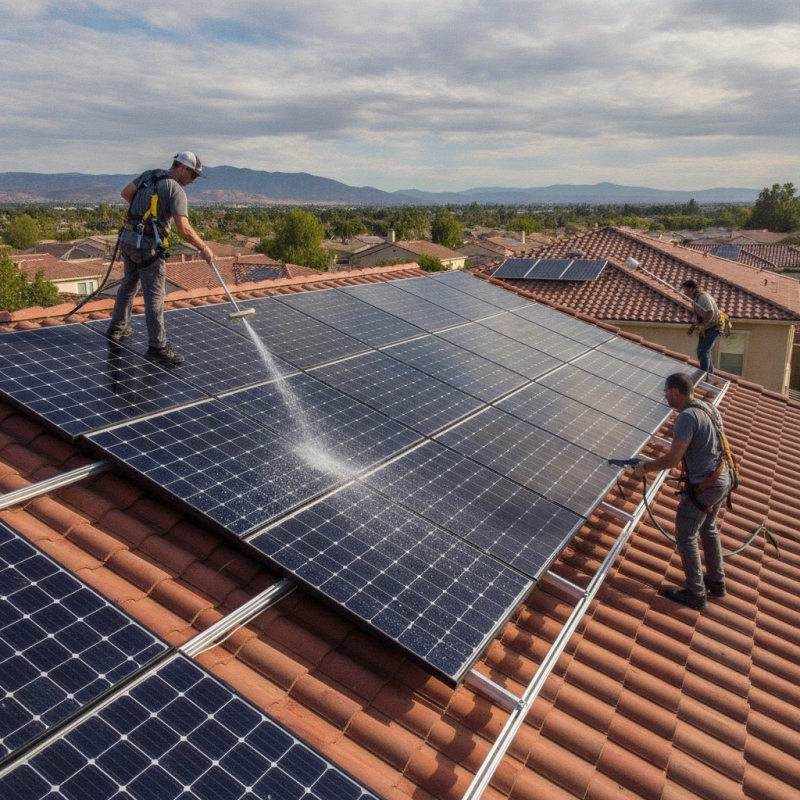
Solar panels require regular maintenance to function efficiently. One essential type of maintenance is cleaning. Dust, dirt, and debris can accumulate on the surface of solar panels. A study by the National Renewable Energy Laboratory found that dirty panels can lose up to 25% of their efficiency. Regular washing, at least twice a year, is recommended to maintain optimal function.
Another critical aspect is inspection. Solar panels should be checked for damage, such as cracks or loose wiring. A report by the Solar Energy Industries Association highlights that proactive inspections can identify issues early, preventing costly repairs later. Additionally, monitoring the system's performance regularly helps detect any drops in efficiency due to shading or equipment failure.
In some cases, maintenance may require professional services. Hiring experts for complex issues ensures that your system performs at its best. Nonetheless, even with regular care, solar panels can underperform due to environmental factors. Storms, for example, can leave debris that increases cleaning frequency. Regular maintenance is not just beneficial, it is necessary for preserving performance. Tracking and adjusting maintenance routines can lead to better sustainability in your energy usage.
: Cleaning is recommended at least twice a year. However, some regions may need more frequent cleanings.
Dust, dirt, and debris can accumulate on panels. This accumulation can lead to a loss of up to 25% efficiency.
Inspections help identify damage early. This prevents costly repairs and ensures optimal performance of the system.
Check for cracks, loose wiring, and any visible damage. Regular performance monitoring is also crucial.
Not always, but complex issues may require professional help to ensure optimal performance.
Storms can leave debris, increasing the need for cleaning. Monitor performance after weather events for adjustments.
Yes, areas with high dust may require bi-monthly cleaning. In less dusty places, quarterly cleaning might be enough.
Check for environmental factors. Regular maintenance and adjustments can improve energy output significantly.
Yes, tracking helps evaluate what's effective. Adjustments based on performance can enhance sustainability.
It depends on local dust levels. Peak seasons may require more frequent checks and cleaning.
To ensure optimal performance, understanding what maintenance do solar panels require is essential for homeowners and businesses alike. This includes regular cleaning to manage dust and debris accumulation, which can vary based on regional conditions. Additionally, routine inspections are vital for identifying any signs of damage or wear that may affect efficiency. Monitoring the system's overall performance and energy output is also crucial, as it helps in recognizing any dips in functionality that may signal the need for repairs.
Common repairs needed for solar panels can range from fixing minor issues to addressing significant damages, and these repairs often come with varying cost implications. By staying proactive with maintenance, solar panel owners can maximize their investment and ensure long-term efficiency in energy production.

 GeoSyn Solar