When considering solar energy solutions, the choice of technology is crucial. Dual Axis Solar Trackers enhance the efficiency of solar panels by adjusting their position throughout the day. Leading expert Dr. Alice Thompson, who specializes in renewable energy systems, states, "Using Dual Axis Solar Trackers can significantly increase energy capture." This highlights the importance of making informed decisions in selecting solar technology that fits individual needs.
Understanding the unique features of Dual Axis Solar Trackers can lead to better energy output. These trackers follow the sun's path, optimizing exposure to sunlight throughout the day. However, they require a higher initial investment and maintenance. Conducting thorough research on different models is essential to balance efficiency and cost. This step can determine the long-term benefits versus short-term expenses.
Not all Dual Axis Solar Trackers are created equal. Some models may offer advanced features, while others may lack reliability. It's vital to evaluate the manufacturer's reputation and customer reviews. Learning from others’ experiences helps in making an informed decision. Investing time in understanding these systems can lead to a more sustainable and cost-effective energy solution.
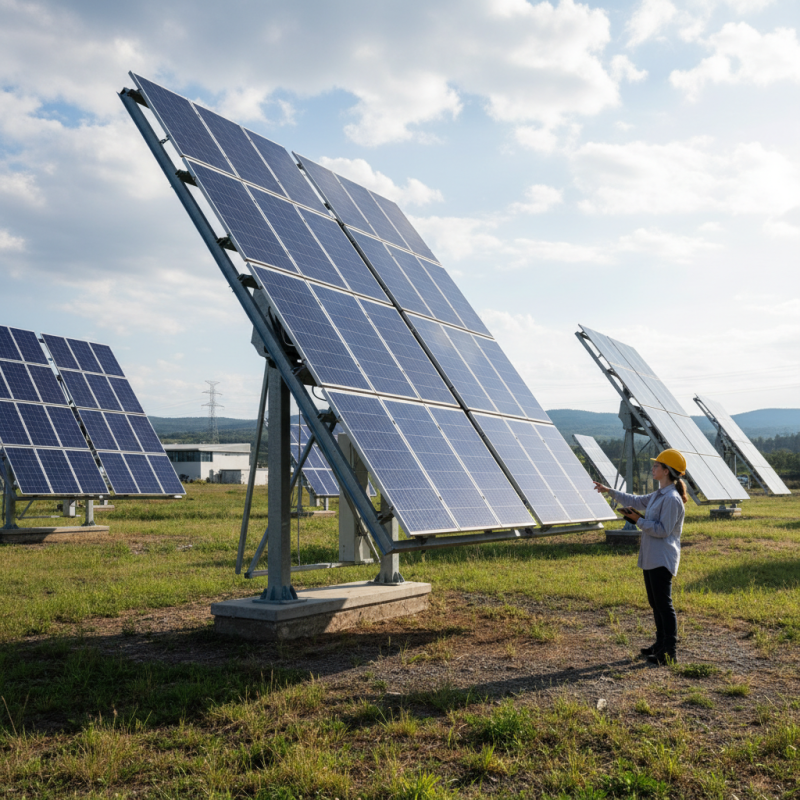
Dual axis solar trackers are sophisticated devices designed to maximize solar energy capture. Unlike fixed solar panels, these trackers follow the sun’s trajectory throughout the day. This movement allows for an increase in solar energy production, often by 20-40%, according to industry reports. The benefits are clear: higher efficiency and faster return on investment.
Investing in dual axis solar trackers requires understanding their operational benefits. They are especially effective in areas with high solar insolation. However, installation and maintenance can be complex. Many users report higher upfront costs, which can be a barrier. Regular maintenance is essential to ensure they're functioning optimally.
Tip: Consider local sunlight patterns when choosing a tracker. This knowledge can enhance energy yield. Also, evaluate your space; dual axis trackers need more room than fixed systems. Balance the system's benefits against your budget.
Lastly, user feedback is vital. Some users find that tracking systems are prone to mechanical issues. Researching how others have navigated these challenges can save you time and money. Always assess your specific energy needs and capabilities before investing in solar technology.
When choosing dual axis solar trackers, several factors significantly impact efficiency and performance. Evaluating the geometric design is crucial. Trackers that can tilt and rotate in two axes capture sunlight from different angles. This capability can boost energy capture by 30% to 40%, according to recent studies by the International Renewable Energy Agency.
Structural integrity is another essential factor. Select units made from durable materials to withstand harsh weather. For instance, aluminum frames offer strength without excessive weight. This design choice can improve longevity and reduce maintenance costs. A recent report indicates that robust structures can lower failure rates by nearly 20%.
Consider the tracker’s control systems. Advanced algorithms optimize the tilt and orientation based on real-time solar data. Look for systems with user-friendly interfaces for easy adjustments. Monitoring features are critical too. Systems that include data logging allow users to track energy production. This insight helps in making informed decisions about any necessary changes. Reflecting on these factors will lead to a more informed purchase decision.
When choosing dual axis solar trackers, efficiency and performance are critical. These trackers adjust the orientation of solar panels to follow the sun's path. This capability can increase energy capture by 20% to 40% compared to fixed systems. However, installation complexity and maintenance considerations may impact your decision. It's essential to weigh the benefits against potential drawbacks.
Performance evaluation also involves understanding the technology behind the trackers. Higher quality materials can offer better durability and longevity. Some trackers utilize GPS technology for precise alignment. Others rely on sensors that detect sunlight direction. It's crucial to assess which technology best fits your needs. Look for user reviews and expert assessments to gauge reliability and real-world performance.
Potential challenges include weather-related impacts on performance and the initial investment cost. Dual axis trackers can be more expensive than fixed systems. However, they may offer faster return on investment through increased energy production. Careful evaluation of your specific conditions—like climate and available space—can help you make an informed choice. Consider reaching out to professionals for advice tailored to your circumstances.
| Feature | Description | Efficiency (%) | Cost ($) | Warranty (Years) |
|---|---|---|---|---|
| Tracking System Type | Dual Axis | 40% | 5000 | 25 |
| Material | Aluminum and Steel | 38% | 6000 | 20 |
| Control System | GPS and Sensor-Based | 45% | 7000 | 30 |
| Installation Type | Ground-mounted | 42% | 4500 | 15 |
| Size | Large (4-6 kW) | 37% | 7500 | 10 |
When considering dual axis solar trackers, budgeting is crucial. These systems optimize solar energy capture, but they come at a cost. Depending on your needs, prices can vary widely. Installation costs, maintenance, and potential savings over time should all be considered.
Tips: Always review your energy needs first. Understand how much power you currently consume. This will help you choose the right tracker size for efficiency. It’s wise to compare quotes from different providers. This can reveal significant price differences.
While dual axis trackers may be expensive, they can increase energy generation by up to 40%. This potential for higher output often justifies the initial investment. But, unforeseen expenses may arise. Regular maintenance is essential to ensure optimal performance. Factor in these costs to avoid budget overruns.
Maintaining a dual-axis solar tracker ensures its longevity and optimal performance. Regular inspection is crucial. Check for loose connections and wear in the mechanical parts. Even small issues, if neglected, can escalate, reducing efficiency. Establishing a maintenance schedule helps catch problems early.
Keeping the solar panels clean is vital. Dust and debris can block sunlight, leading to lower energy output. Use a soft brush or cloth for cleaning. Avoid harsh chemicals that could damage the surface. Observing the panels regularly helps you notice any performance drops.
Support is equally important. Having access to expert advice will guide your maintenance efforts. Build a relationship with service providers for quick support. Consider joining forums to share experiences. Engaging with others in the solar community can provide valuable insights. This collaboration fosters ongoing learning and helps address challenges together.
: They adjust solar panels to follow the sun's path, maximizing energy capture.
They can increase energy capture by 20% to 40% compared to fixed systems.
Consider efficiency, installation complexity, maintenance, and your specific conditions.
Regular inspections are crucial. Check for loose connections and mechanical wear.
Dust and debris can block sunlight, reducing energy output significantly.
Use a soft brush or cloth. Avoid harsh chemicals that might cause damage.
Build a relationship with service providers and engage with the solar community.
They may face weather impacts and higher initial investment costs.
Yes, small issues can escalate if not addressed, reducing overall efficiency.
Yes, expert guidance can help tailor maintenance efforts to your specific needs.
Dual Axis Solar Trackers are innovative systems designed to optimize solar energy capture by allowing solar panels to follow the sun's path throughout the day. Understanding their benefits is crucial, as these trackers can significantly enhance energy production compared to fixed solar panels. When choosing the best dual axis solar trackers for your needs, there are several factors to consider, including location, installation space, and shading impacts.
Additionally, evaluating the efficiency and performance is essential, as it helps ensure you maximize your investment. A thorough cost analysis should also be undertaken to budget for the initial investment alongside potential savings on energy bills. Finally, considering maintenance and support options can help extend the longevity of your dual axis solar trackers, ensuring they remain effective over time. Overall, careful consideration of these aspects can lead to a successful solar energy solution.

GeoSyn Solar