Solar street lights have gained popularity due to their energy efficiency and eco-friendliness. As cities seek sustainable solutions, understanding what factors affect solar street light performance becomes crucial. Dr. Emily Carter, a leading expert in renewable energy systems, emphasizes, "The efficiency of solar street lights hinges on multiple environmental and technical variables."
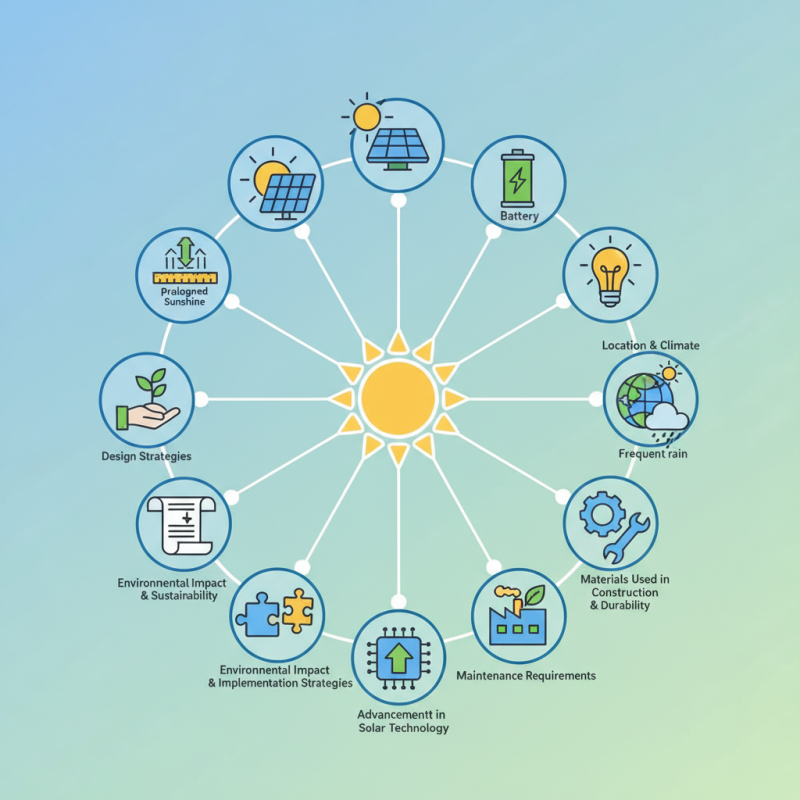
Solar panels, battery capacity, and light source quality significantly impact performance. The location and climate of installation sites also play a pivotal role. For example, areas with prolonged sunshine will produce more energy. Meanwhile, regions that experience frequent rain may see diminished performance. The choice of materials used in construction can lead to variations in durability and maintenance requirements.
While advancements in solar technology improve overall effectiveness, challenges remain. Reflecting on these variables invites careful consideration of design and implementation strategies. Achieving optimal performance requires a balance between innovative technology and practical application. By understanding what factors affect solar street light performance, stakeholders can make informed decisions benefiting communities and the environment.
Key Components Influencing Solar Street Light Efficiency
When it comes to solar street light efficiency, several key components play a crucial role.
Photovoltaic panels are vital, as they convert sunlight into electricity.
The quality of these panels affects how much energy is harvested during the day.
Higher-quality panels typically generate more power, but they also come at a higher cost.
The placement and angle of the panels can influence energy capture, so careful planning is necessary.
Batteries are another critical factor. They store energy generated by the panels.
A reliable battery ensures that lights remain functional during cloudy days or nighttime.
Battery capacity affects how long the lights can operate without sunlight.
Temperature fluctuations can impact battery performance, leading to potential failures.
Regular monitoring is essential to maintain optimal conditions.
LED lights are widely chosen for their efficiency.
They require less energy and have a longer lifespan compared to traditional lights.
However, not all LEDs are equal. Some may struggle in colder temperatures, affecting overall light output.
Additionally, the driver circuits that manage power usage can vary in quality.
Proper installation and regular maintenance can help mitigate these issues,
but system vulnerabilities should not be overlooked.
Impact of Solar Panel Quality on Energy Conversion Rates
The quality of the solar panels directly influences energy conversion rates in solar street lights. High-quality panels enable efficient energy absorption and conversion. They capture sunlight effectively, turning it into usable electricity. Conversely, low-quality panels may struggle, leading to decreased performance.
Considering environmental factors, efficiency varies with weather. Clouds, dust, or pollution can impede sunlight absorption. Therefore, regular cleaning and maintenance of solar panels are vital. Also, the angle of installation can affect energy collection.
Tip: Choose panels with higher efficiency ratings. They may cost more initially but provide better long-term savings.
Battery quality is equally crucial. Even the best solar panels require reliable batteries for energy storage. Using subpar batteries can lead to wasted energy. Regularly check battery health and connections.
Tip: Monitor the amount of sunlight your panels receive. Making adjustments for optimal exposure can significantly enhance performance.
Role of Battery Capacity and Type in Operational Longevity
The role of battery capacity and type is crucial in determining the operational longevity of solar street lights. A high-capacity battery can store more energy, extending the light's duration during cloudy weather or at night.
Lithium-ion batteries are gaining popularity due to their lightweight nature and efficiency. However, they can be more expensive upfront, which may deter some users.
In contrast, lead-acid batteries are a more budget-friendly option but often have a shorter lifespan. They require regular maintenance and can be cumbersome. The choice between these batteries impacts not only cost but also the overall performance and reliability of the solar street lights. Users must weigh the trade-offs between upfront investment and long-term efficiency.
Environmental conditions also play a key role. Temperature fluctuations can affect battery performance. In colder climates, battery efficiency tends to decline, leading to shorter operation times. Monitoring and adjusting for these environmental factors is essential. Skipping regular assessments can lead to unexpected outages or performance drops.
Balancing these elements can be challenging but is necessary for optimal performance.
Importance of LED Technology in Brightness and Energy Use
LED technology plays a crucial role in the performance of solar street lights. This innovative lighting solution offers improved brightness while consuming less energy. Unlike traditional bulbs, LEDs convert a higher percentage of electricity into visible light. This efficiency leads to lower energy costs and extended operational hours for solar street lights.
Moreover, LEDs have a longer lifespan compared to other lighting options. They can last up to 25,000 hours, which means less frequent replacements. This durability is essential for remote areas where maintenance may be challenging. However, not all LED products are created equal. Users should look for quality components to ensure reliability and optimal performance.
It's also important to note that the light quality from LEDs varies. Some fittings produce a harsh or flickering light, which can affect visibility and safety. There’s a need for continuous improvement in the technology to address these concerns. While advancements are significant, the search for the perfect LED that balances brightness and energy use continues in the industry.
Top 10 Factors That Affect Solar Street Light Performance
This chart illustrates the top factors that affect solar street light performance, assessing each factor's impact level on a scale from 1 to 10. LED technology and solar panel efficiency are highlighted as the most significant contributors to overall performance, emphasizing the importance of advanced technology in optimizing brightness and energy use.
Environmental Factors Affecting Solar Light Performance
Environmental factors play a crucial role in the performance of solar street lights. The most significant is sunlight availability. Areas that experience long winters or heavy cloud cover often see reduced efficiency. Seasonal changes can drastically affect battery charging dynamics. Less sunlight can lead to lower energy reserves, making it vital to assess local weather patterns.
Temperature also influences how well solar lights function. Extreme heat or cold can diminish battery performance and lifespan. The location's altitude can raise complications, too. High altitudes often have more sunlight but colder nights, affecting energy retention. Additionally, dirt and debris can obstruct light sensors and panels, creating maintenance challenges. Regular cleaning schedules are essential but may be overlooked.
Lastly, surrounding vegetation impacts solar street lights as well. Overgrown trees block sunlight, leading to inadequate charging. In urban areas, buildings can create shadows that diminish solar access. Planning for the future is key but often underestimated. Communities might consider the long-term growth of plants and structures when installing solar lights. Design flaws in placement can lead to ongoing inefficiencies, requiring a reevaluation of strategies.
Top 10 Factors That Affect Solar Street Light Performance
| Factor |
Description |
Impact Level |
| Solar Panel Efficiency |
The ability of the solar panel to convert sunlight into electricity. |
High |
| Battery Capacity |
The amount of energy the battery can store for use during nighttime. |
High |
| Weather Conditions |
Rain, snow, and cloudy days can reduce sunlight exposure. |
Medium |
| Location |
Shading from buildings or trees can limit solar exposure. |
Medium |
| Installation Angle |
The tilt of the solar panel can affect sunlight capture. |
High |
| Light Sensor Sensitivity |
The ability of the sensor to detect light levels to turn on/off. |
Medium |
| Temperature |
Extreme temperatures can affect battery efficiency and lifespan. |
Low |
| Component Quality |
High-quality materials ensure durable and effective performance. |
High |
| Maintenance |
Regular cleaning and upkeep can optimize performance. |
Medium |
| Regulatory Compliance |
Local laws and regulations may affect design and installation. |
Low |
Conclusion
When discussing what factors affect solar street light performance, several key components come into play. The efficiency of solar street lights is heavily influenced by the quality of solar panels, which directly impacts energy conversion rates. Additionally, the battery capacity and type are critical in determining operational longevity, as they affect how much energy can be stored and utilized. Another crucial aspect is the technology used in LEDs, which influences both brightness and energy consumption.
Environmental factors also play a significant role in the performance of solar street lights. Variables such as geographic location, weather conditions, and seasonal changes can affect the amount of sunlight available for energy absorption. Understanding these factors is essential for optimizing solar street light systems to ensure they operate effectively and efficiently in various settings.

 GeoSyn Solar