In recent years, the agriculture sector has faced numerous challenges, including water scarcity and rising energy costs. This situation has made it crucial for farmers to explore efficient irrigation solutions. As Dr. Emily Carter, an expert in agricultural technologies, states, "Solar water pumps revolutionize how we manage water resources in farming." This assertion highlights the significance of innovative solutions for sustainable farming.
Why solar water pumps are ideal for agriculture stems from their ability to harness renewable energy. They provide a reliable water source without the high operational costs associated with traditional pumps. Farmers using solar pumps reported improved crop yields and reduced dependence on fossil fuels. This shift is essential in adapting to climate change, which threatens global food security.
However, it’s important to acknowledge potential drawbacks. Initial installation costs can be high, and not all regions have ample sunlight. Farmers must weigh these factors carefully. Despite these challenges, solar water pumps offer a promising path towards sustainable and efficient agricultural practices. With the right investment and support, they could transform modern farming.
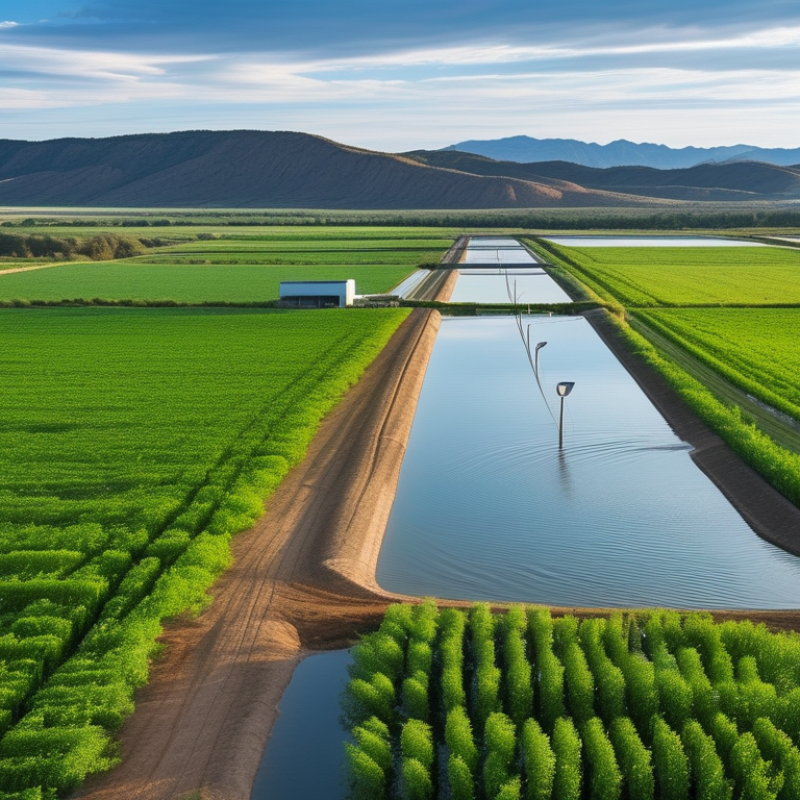
Solar water pumps play a vital role in sustainable agriculture. They harness the sun's energy to move water efficiently. This innovative technology reduces reliance on fossil fuels and minimizes carbon footprints. Farmers can irrigate crops at optimal times, ensuring healthy growth and improved yields.
One challenge farmers face is the initial investment. It can be high, but the long-term benefits often outweigh costs. Over time, solar pumps can significantly lower energy bills and maintenance costs. Additionally, these systems can operate in remote areas where traditional electricity isn't available, enabling farming in previously unfeasible locations.
Tips for success with solar water pumps include regular maintenance checks. Ensure panels are clean and free from debris. It's also important to monitor water levels and pump performance regularly. This can prevent unexpected downtime and optimize efficiency. Farmers should also consider integrating solar pumps with rainwater harvesting systems. This can maximize water use efficiency and create a more resilient agricultural practice.
Solar water pumps are revolutionizing modern agriculture by enhancing irrigation efficiency. According to the International Renewable Energy Agency (IRENA), implementing solar pumps can reduce operating costs by up to 90%. This substantial saving is crucial for farmers aiming to optimize their expenses while maintaining productivity.
Moreover, solar water pumps provide significant environmental benefits. A report from the Food and Agriculture Organization (FAO) indicates that using solar energy for irrigation reduces greenhouse gas emissions by approximately 80%. Farmers rely less on fossil fuels, mitigating climate impact. This transition not only supports sustainable practices but also meets the growing consumer demand for eco-friendly products.
Adopting solar water pumps can sometimes pose challenges. Initial installation costs can be high. Some regions lack technical expertise for setup and maintenance. However, overcoming these hurdles can lead to long-term advantages, such as increased independence from unreliable power grids. Embracing this technology can transform agricultural practices, making them more resilient and sustainable in the face of climate change.
The adoption of solar water pumps in agriculture is steadily increasing. According to recent industry reports, global adoption rates reached approximately 25% in 2022. This reflects a growing awareness of the benefits of renewable energy in farming practices. Farmers are increasingly seeking sustainable solutions due to rising energy costs and environmental concerns.
In regions like India and Africa, solar water pumps have become a game-changer. They provide reliable irrigation without dependency on grid electricity. A report from the International Energy Agency highlights that solar irrigation systems can reduce operating costs by up to 60%. This statistic emphasizes the financial advantage for farmers. However, initial investment remains a barrier for some, limiting wider adoption.
Despite its advantages, solar water pump implementation is not without challenges. Maintenance knowledge varies among farmers, and access to spare parts can be inconsistent. This leads to operational inefficiencies and potential frustration. Addressing these hurdles is crucial for maximizing the benefits of solar technology in agriculture. As the market evolves, collaboration among stakeholders will be essential for overcoming these obstacles and enhancing adoption rates.
Solar water pumps provide a sustainable solution for modern agriculture. They harness
solar energy to power water extraction, minimizing reliance on fossil fuels. This shift significantly reduces the carbon footprint of farming.
Traditional water pumps burn fuel, contributing to greenhouse gas emissions. In contrast, solar pumps use clean energy.
This not only conserves the environment but also lowers operation costs for farmers.
Farmers can benefit from adopting solar water pumps. They can install them in remote locations, where electrical infrastructure is lacking.
These systems are efficient and require low maintenance. However, initial installation costs can
be a barrier. It’s essential to consider return on investment over time. For some, this may not
be straightforward, requiring careful budgeting.
One tip for farmers is to assess their specific needs before installation.
Understanding water requirements can optimize pump choice. Regular maintenance is also crucial. Cleaning solar panels ensures maximum energy
absorption. Keeping pumps in good condition prolongs their lifespan. A little planning can lead to big savings.
The economic advantages of solar water pump systems are compelling. A study by the International Renewable Energy Agency (IRENA) highlights that farmers can save up to 80% on energy costs. With rising electricity rates, solar solutions become increasingly viable. Generating energy from sunlight offers a sustainable and cost-effective alternative.
Moreover, initial installation costs are offset through long-term savings. According to industry reports, solar water pumps can pay for themselves within five years. This rapid return on investment is especially crucial for smallholder farmers operating on tight margins. Additionally, maintenance costs are low due to fewer moving parts compared to traditional pumps.
Yet, some farmers remain hesitant. Limited access to financing can delay installations. Knowledge about solar technology is also lacking in certain regions. Continuous education and support are essential for maximizing the potential of solar pumps in agriculture. Addressing these gaps can significantly enhance adoption rates and economic benefits.
: Solar water pumps harness solar energy to extract water. They reduce reliance on fossil fuels significantly.
They lower greenhouse gas emissions by using clean energy, thus reducing carbon footprints in farming.
Farmers can save up to 80% on energy costs. They offer a sustainable and cost-effective alternative.
These systems can pay for themselves within five years with proper planning and usage.
Farmers should assess their specific water needs. This helps optimize their pump choice efficiently.
Initial installation costs can be high. Limited financing and knowledge may also delay adoption.
Regular cleaning of solar panels and pump maintenance extends their lifespan and efficiency.
Some lack access to financing and knowledge about solar pumps, creating barriers to efficient adoption.
Continuous education can improve understanding and increase the adoption of solar technology among farmers.
They provide substantial cost savings and contribute to sustainable farming practices over time.
Solar water pumps are becoming increasingly essential in modern agriculture, transforming sustainable farming practices. By harnessing solar energy, these systems enhance irrigation efficiency and ensure a reliable water supply, crucial for crop productivity. The adoption rates of solar water pumps are on the rise, reflecting a growing awareness of their benefits among farmers seeking sustainable solutions.
Why solar water pumps are ideal for agriculture lies not only in their ability to reduce the carbon footprint but also in the significant economic advantages they offer. Farmers can achieve substantial cost savings over time due to lower energy expenses and reduced reliance on conventional fuel sources. Overall, the integration of solar water pumps into agricultural practices supports environmental sustainability and economic viability.

GeoSyn Solar