Determining the right solar battery size for your home involves multiple factors. In 2021, the Global Energy Storage Partnership reported an 85% increase in solar battery installations. This trend reflects the growing reliance on renewable energy. However, choosing the correct battery size can be daunting for homeowners.
Expert Chris Brown, a consultant in solar energy systems, emphasizes, "Understanding your energy needs is crucial when sizing a solar battery for home use." Many homeowners may overlook their actual energy consumption, leading to either over-sizing or under-sizing their systems. Calculating energy use can be complicated, often requiring detailed analysis.
Each home is unique. Factors such as daily energy consumption and peak usage times significantly influence battery requirements. For instance, a household that uses an average of 30 kWh per day may need a different battery capacity than one using only 10 kWh. Without careful consideration, homeowners risk inefficient energy storage. The importance of accurately sizing your solar battery cannot be overstated. Proper sizing ensures reliability and efficiency, paving the way for sustainable living.
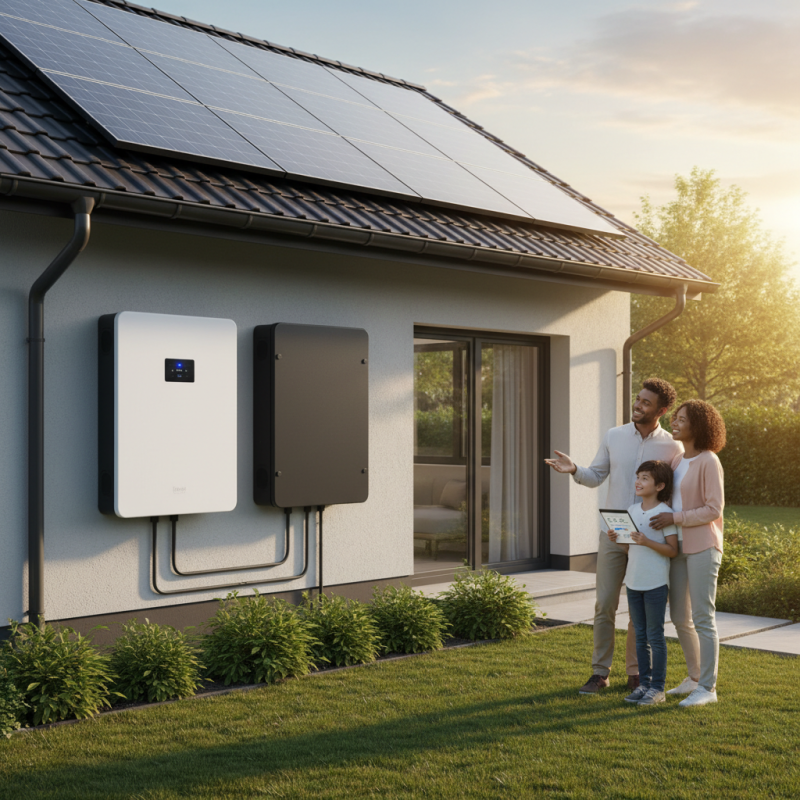
Understanding your energy needs is essential when sizing a solar battery for your home. Start by evaluating your daily energy consumption. Look at your utility bills to find your average kilowatt-hour (kWh) usage. This figure will guide you in selecting a battery that meets your specific needs.
Next, consider your peak demand. This is the maximum energy you require at any given time. If you have high-energy appliances, like air conditioners or electric heaters, account for their usage. Calculate how long you want to run these devices during a power outage or when solar production is low. It's vital to include some buffer in your calculations.
Also, think about future changes in energy consumption. You might add new devices or upgrade existing ones. Make your size calculations accordingly. This thought process requires reflection. Are you overestimating or underestimating your needs? Adjustments can lead to more efficient battery usage. Understanding these factors will help you find a suitable battery size.
When considering solar energy for your home, the type of battery you choose is crucial. There are mainly three types: lead-acid, lithium-ion, and saltwater batteries. Lead-acid batteries are older technologies with lower energy density. Their capacity varies, typically ranging from 50 to 300 Ah. In contrast, lithium-ion batteries offer higher efficiency and longer lifespan, with capacities often exceeding 100 Ah. Saltwater batteries, while newer, promise safety and sustainability.
Capacity ratings are vital for determining the right solar battery size. Assess your daily energy needs first. On average, an American household consumes about 30 kWh per day. If you opt for a lithium-ion battery with a capacity of 10 kWh, you would need at least three such batteries to handle daily consumption.
Tip: Calculate your energy needs accurately. Consider peak usage times. A well-thought-out assessment minimizes excess capacity, reducing costs.
Keep in mind that all batteries experience degradation. Lead-acid batteries can lose up to 50% of their capacity over five years. Lithium-ion types may last longer but can still face performance loss. This reality should influence your buying decision.
Tip: Monitor your battery’s performance regularly. Adjust usage habits as needed to prolong battery life.
When determining the right solar battery size, start by calculating your daily energy consumption. This involves assessing your home’s energy needs. Take a closer look at your electricity bill. Identify how much energy you use on average each day. Consider seasonal variations, too.
To accurately calculate energy consumption, list all essential appliances. Include lighting, heating, and cooling systems. Note their wattage and the average hours of use per day. For instance, a refrigerator might use 150 watts for 24 hours. This could quickly add up.
Tip: Use a power meter to measure consumption. It provides real-time data on your devices.
Next, sum the total watt-hours, then convert this number to kilowatt-hours. Aim for a comprehensive estimate to ensure you select a battery that meets your needs.
Tip: Consider unexpected power outages. You might need extra capacity.
Make sure to factor in the battery's efficiency and discharge rate. Not every battery performs the same under various circumstances. It’s crucial to account for these differences.
Assessing the right solar battery size requires understanding your energy needs. Autonomy refers to how long your battery can sustain your power during outages. Consider your daily energy consumption. Analyze your usage patterns. If you use 30 kWh daily, a battery should provide at least that much during an outage, plus a margin for safety.
Backup time is equally important. It decides how long you can rely on stored energy. If you typically face outages lasting 12 hours, your battery must hold enough to cover that duration. Calculate your peak load. Assess your home’s critical systems. This includes lights, refrigeration, and essential electronics. Keep a notepad for recording energy use. Review this data regularly. Mistakes in estimating needs can lead to inadequate backup.
Don’t forget about future changes. As family size or appliances change, so will your energy needs. Choose a battery size that accommodates these potential adjustments. Check your calculations periodically. Be realistic about your energy demand. It’s better to overestimate requirements than to undersize your battery. Understanding these factors lays a solid foundation for the right battery choice.
When determining the right solar battery size, system compatibility plays a critical role in ensuring optimal performance. It's essential to understand how your solar panels interact with batteries. Each component must work seamlessly. A mismatch can lead to inefficiencies. For example, if the battery's discharge rate doesn't align with the solar output, energy loss may occur.
Next, consider your home's energy consumption needs. Assessing this can feel daunting. Track your daily energy usage over time. Look for patterns. The size of your battery should accommodate these fluctuations while maximizing efficiency. A battery that charges during peak solar hours will work best with solar panels. It's a balancing act between supply and demand.
Also, keep in mind the technology in use. Different battery types have varying compatibility with solar systems. Some may require specific inverters or charge controllers. Researching these details may take time. You might find conflicting information, leading to doubt. Consulting with an experienced professional can help clarify these choices. They can provide insights based on current best practices in the renewable energy market.
: The main types are lead-acid, lithium-ion, and saltwater batteries. Each has unique features and capacities.
Check your electricity bill and list all appliances. Include their wattage and usage hours to estimate daily consumption.
An American household typically uses about 30 kWh per day. This can vary based on appliance usage and seasonal changes.
For example, if you have a 10 kWh lithium-ion battery and consume 30 kWh daily, you need at least three batteries.
All batteries degrade over time. Lead-acid batteries may lose 50% capacity in five years, affecting long-term performance.
Monitor performance regularly and adjust usage habits. Reducing peak demand can help maintain battery health.
Make sure your solar panels and battery systems work well together. Mismatched components can lead to energy loss.
Battery efficiency and discharge rates vary. Understand these factors to select a battery that meets your specific energy demands.
A power meter is useful. It measures real-time consumption and helps with accurate estimates.
Plan for extra capacity to handle outages. This ensures you have enough energy when needed the most.
When considering how to size a solar battery for home use, it is crucial to first understand your energy needs. This involves evaluating your daily energy consumption, which can vary based on appliances, occupancy, and usage patterns. Additionally, different types of solar batteries come with various capacity ratings that must align with your energy requirements.
To accurately determine the right battery size, you should also assess the autonomy and backup time you desire during power outages. This step ensures that your solar battery meets your specific needs for reliability. Furthermore, evaluating system compatibility is essential for optimal performance, as the right battery system should integrate seamlessly with your existing solar setup. By carefully analyzing these factors, you can successfully select a solar battery that meets both your energy needs and efficiency goals.

GeoSyn Solar