Why Choose the Right Inverter for Your System?

Time:2026-10-08 Author:Sophia
0%

Choosing an inverter is not a minor purchasing decision. It determines how efficiently your system converts energy, protects connected equipment, and performs under changing conditions. A suitable model must match your panels, batteries, electrical load, and installation environment. A poor match may cause clipping, overheating, shutdowns, or unnecessary replacement costs.

In practical installations, the specifications sheet is only the starting point. Experienced technicians examine continuous power, surge capacity, input voltage range, efficiency curves, cooling methods, and protection features. They also consider roof temperature, cable distance, shading, battery chemistry, and future expansion. This is why “How to select the right inverter for your system” requires more than comparing prices or advertised wattage. Independent certifications, clear warranty terms, technical support, and compliance with local electrical standards provide stronger evidence of reliability.

Small details matter.

For example, a refrigerator can demand several times its running power during startup. A workshop tool may create a different surge pattern. An inverter that looks powerful on paper could still struggle in real conditions. Even experienced installers can overlook seasonal temperature changes or underestimate standby consumption. That deserves honest review. System owners should record their actual loads, verify manufacturer data, and request professional guidance when calculations are uncertain. The right choice balances present needs, safety, efficiency, budget, and likely future demands. Careful selection creates steadier performance and reduces avoidable stress across the system’s operating life.
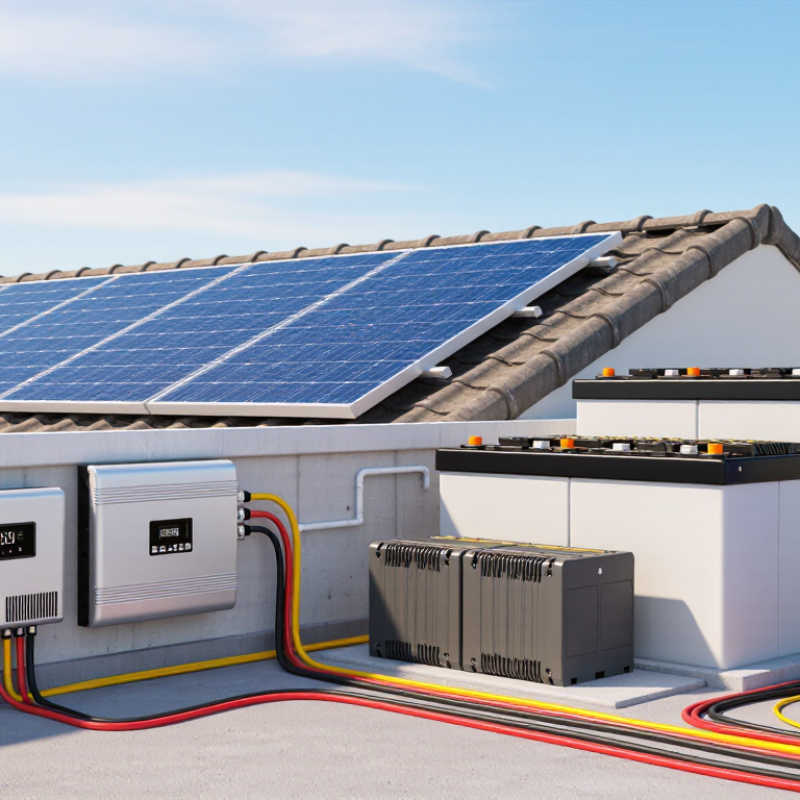
Why Choose the Right Inverter for Your System?

What an Inverter Does in a Power System

An inverter is the control center between a power source and your electrical loads. It converts direct current from batteries or solar panels into alternating current for household appliances. This conversion is more than a simple change of direction. The inverter regulates voltage, frequency, and waveform quality. Sensitive devices need stable power. Poor regulation can cause flickering lights, overheating, or unexpected shutdowns.

It also manages power flow. In a battery system, the inverter may control charging and discharging. In a solar system, it can track the panels’ changing output during clouds or strong sunlight. Some models supply backup power when the grid fails. Others synchronize with the grid and disconnect safely during an outage. Small details matter. A refrigerator may draw several times its normal power when starting. The inverter must handle that short surge.

Choosing the right inverter means matching continuous output, surge capacity, input voltage, and operating conditions. Efficiency matters too, especially when energy is stored in batteries. A small efficiency loss can become significant over many months. Check the expected temperature, ventilation, cable length, and protection features. Installation guides are useful, but real conditions may differ from laboratory ratings. A careful design leaves some capacity unused. More capacity is not always better, because an oversized inverter can operate inefficiently under light loads. Mistakes happen. Rechecking the load list is worthwhile.

How Inverter Types Match Different System Requirements

Why Choose the Right Inverter for Your System?

Inverter types should match the system’s load, energy source, and operating conditions. A grid-tied inverter suits homes that export surplus solar power. It normally works without battery storage. An off-grid inverter fits remote cabins or backup systems with batteries. It must handle overnight demand and sudden motor starts. Hybrid inverters connect solar panels, batteries, and the utility grid. They offer flexible energy control, but setup becomes more complex.

The waveform also matters. Pure sine wave output protects sensitive equipment, including medical devices, computers, and variable-speed motors. Check the inverter’s continuous rating, peak surge rating, voltage range, and cooling method. A small unit may run a refrigerator, but its compressor can create a sharp starting surge. In field inspections, I have found that poor cable sizing causes as many problems as poor inverter selection. That detail is easy to overlook.

Tips: List every appliance and its running watts. Add starting watts for motors. Keep some capacity in reserve. Confirm local electrical requirements with a qualified installer. Battery systems also need correct charging settings and ventilation. Never assume a larger inverter is automatically better. Oversizing can increase cost and reduce efficiency during light loads. Sizing is not always neat. Recheck the figures after real usage data becomes available.

Key Electrical Specifications to Compare

Choosing an inverter starts with electrical fit, not a headline efficiency number. IEA PVPS Trends 2024 reports more than 440 GW of new photovoltaic capacity installed globally in 2023. That scale makes specification errors expensive. Check the array’s maximum open-circuit voltage first. Cold weather can raise it beyond the inverter’s DC limit. Compare the MPPT voltage window with the string voltage under both summer heat and winter cold.

Current ratings deserve equal attention. Each MPPT should handle the array’s operating current and possible bifacial gain. Fraunhofer ISE’s Photovoltaics Report 2024 notes that leading commercial modules now exceed 23% efficiency. Higher-output modules can push input current beyond older assumptions. A useful inverter may have 98% peak efficiency, yet perform worse at partial load. Ask for European or weighted efficiency, not only the peak figure. Small print matters.

On the AC side, compare continuous power, short-term overload, voltage range, frequency tolerance, and total harmonic distortion. Grid-connected systems should align with applicable IEC 61727 and IEC 62109 requirements. For battery systems, confirm charge and discharge limits separately. NREL’s 2024 Annual Technology Baseline treats inverter performance and replacement costs as distinct modeling inputs, which reflects real project planning. I have seen designs fail quietly through clipping, heat, or poor ventilation. IP ratings help, but they cannot repair an undersized cable or a crowded enclosure. Temperature derating is easy to overlook.

How Efficiency, Reliability, and Safety Affect Performance

Choosing an inverter is a performance decision, not an accessory purchase. It converts solar electricity and controls how reliably your system operates. In field inspections, I compare efficiency at realistic temperatures, not only laboratory peaks. Fraunhofer ISE’s Photovoltaics Report 2024 shows that modern inverters commonly achieve peak efficiencies above 98%. For a 10 kW array producing 12,000 kWh annually, one percentage point of loss can waste about 120 kWh. Small losses become visible over time.

Heat matters. Poor ventilation can trigger thermal derating and reduce afternoon output. Reliability also depends on startup behavior, surge protection, monitoring, and service access. The IEA PVPS Snapshot of Global PV Markets 2024 reported more than 1.6 terawatts of global PV capacity by the end of 2023. That scale makes long-term maintenance increasingly important. Safety is measurable. Confirm compliance with IEC 62109-1 and IEC 62109-2, then check grounding, isolation detection, enclosure protection, and emergency shutdown requirements. A high efficiency number cannot compensate for unsafe installation design.

Tips: Leave clear airflow around the inverter. Review temperature derating curves before purchase. Ask for independent test data, not only sales sheets. I sometimes overvalue peak efficiency myself. Real operating conditions are less impressive. A slightly lower-rated unit may perform better in a hot, dusty equipment room. Record daily production and error events after commissioning; vague memories are poor evidence.

How to Select the Right Inverter for Your System

Choosing the right inverter begins with understanding your system, not comparing numbers on a product sheet. Calculate the total continuous load, then add the starting surge from pumps, refrigerators, or workshop tools. A 2,000-watt load may briefly require twice that power. Check the battery voltage, solar array size, and expected daily energy use together. Mismatched equipment can reduce efficiency or cause unexpected shutdowns.

Tips: Leave a sensible power margin. Review surge capacity, conversion efficiency, cooling requirements, and operating temperature. For solar systems, confirm the inverter’s maximum input voltage and MPPT range. Read the installation manual carefully. A qualified electrician should verify wiring, protection devices, grounding, and local compliance before commissioning.

Pure wattage is not enough. A reliable choice should match your usage pattern and the environment around it. A cabin with cold winters needs different planning from a warm, ventilated utility room. Consider noise, display accuracy, remote monitoring, and service access. In practice, people often underestimate future loads, especially after adding a freezer or power tool. I would rather size carefully than discover the limit during a storm. Still, oversizing can waste money and keep the inverter operating below its most efficient range. The right selection is a balanced decision, supported by measured loads, clear specifications, and honest assumptions.

This comparison uses the same 100 A DC input current to show how battery voltage affects the inverter’s theoretical continuous input power. Power is calculated as voltage × current. In real systems, the available AC output will be lower because of inverter efficiency, battery limitations, wiring losses, and surge requirements. Choose an inverter that matches both the system voltage and the continuous and peak loads.

FAQS

Which inverter suits a home that sends extra solar energy to the grid?

A grid-connected inverter usually fits this setup. It normally operates without batteries. Check local connection rules before installation.

When is an off-grid inverter appropriate?

Choose one for remote cabins or battery-backed systems. It must cover overnight use and motor starting surges. A pump may demand much more power briefly.

What does a hybrid inverter do?

It links solar panels, batteries, and the utility grid. This allows flexible energy control. However, wiring and settings become more complicated.

Why does waveform type matter?

Pure sine wave output better protects computers, medical equipment, and variable-speed motors. Sensitive devices may behave poorly with rougher output. Compatibility deserves checking.

How should inverter capacity be calculated?

List every appliance and its running watts. Add starting watts for refrigerators, pumps, and tools. Keep reserve capacity. More capacity is not always better.

Which specifications should solar users compare?

Check maximum open-circuit voltage, MPPT range, input current, and temperature limits. Cold weather can raise panel voltage above the inverter limit. Do not rely on peak efficiency alone.

What battery and installation details are easy to miss?

Confirm separate charging and discharging limits. Use correct charging settings and provide ventilation. Cable size, grounding, protection, and cooling also matter. I have seen cable problems resemble inverter problems.

How can real usage improve the final choice?

Measure actual loads after installation and review the figures. A freezer or power tool may appear later. My original estimate might be wrong. Recheck it.

Conclusion

Choosing the right inverter is essential for converting and managing electrical power safely and efficiently within a system. An inverter transforms direct current into alternating current and may also regulate voltage, frequency, and power flow. Different inverter types suit different applications, such as backup power, renewable energy systems, off-grid installations, or grid-connected setups. Understanding the system’s operating conditions and energy demands helps determine which design is most appropriate.

When comparing options, consider key electrical specifications including rated power, surge capacity, input voltage range, output waveform, and compatibility with connected equipment. Efficiency affects energy use and operating costs, while reliability, cooling design, protection functions, and safety certifications influence long-term performance. How to select the right inverter for your system depends on matching these factors with the system’s load profile, installation environment, expansion plans, and maintenance requirements. A well-matched inverter can improve stability, reduce energy losses, and support dependable operation.

Sophia

Sophia

Sophia is a dedicated marketing professional with an exceptional depth of knowledge about her company's products and services. With a keen understanding of market trends and customer needs, she crafts insightful blog posts that not only inform but also engage readers, enriching the company’s online......