Investing in a solar system is a significant decision for many buyers. Understanding how to calculate solar system ROI is essential to make informed choices. The return on investment (ROI) can vary widely based on several factors. It's not just about the initial cost. Future savings on energy bills and available incentives also play a role.
Buyers must consider their local energy rates. High electricity costs can lead to quicker ROI. The quality of the solar equipment also affects the outcome. Cheaper options may yield lower returns. Furthermore, assessing your energy consumption is critical. Underestimating usage could diminish the benefits of your new system.
Calculating ROI is not a straightforward process. It requires careful consideration of installation costs, maintenance fees, and local climate conditions. Each homeowner’s situation differs, making a one-size-fits-all approach unreliable. Thus, a deep understanding of your unique circumstances can lead to a better investment. Engaging with a trusted solar consultant can provide clarity and guidance.
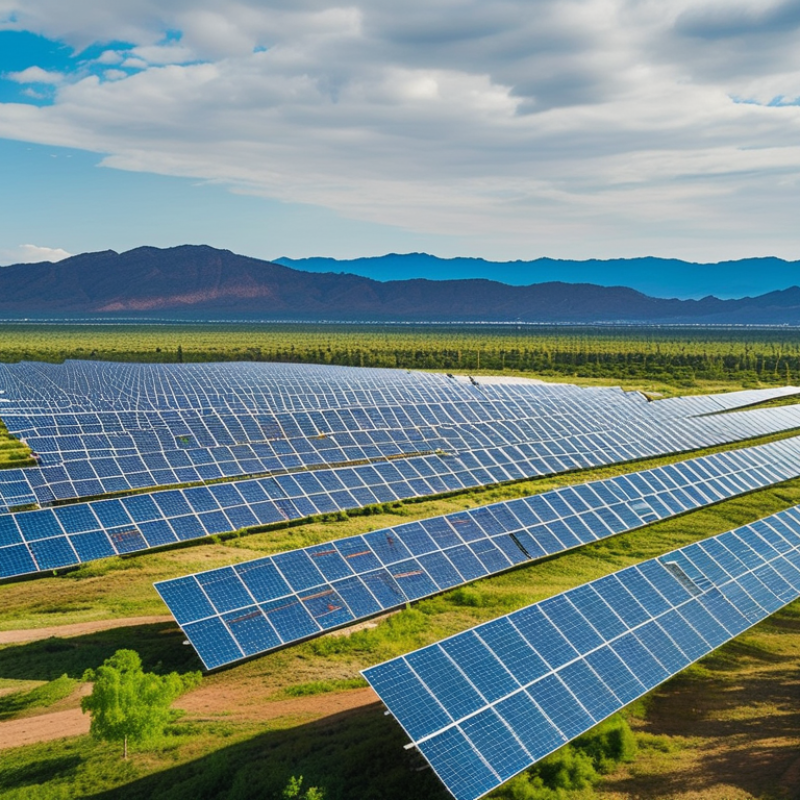
Understanding the return on investment (ROI) for solar systems is crucial for buyers. An effective calculation involves assessing costs, savings, and incentives. Industry reports show that in China, solar investments can yield an ROI close to 8-12% annually. This ROI significantly varies depending on installation costs, local electricity prices, and available subsidies.
Potential solar system buyers should consider up-front expenses. The average cost of a residential solar installation in China ranges from $1,000 to $2,000 per installed kilowatt. Maintenance costs are relatively low but should not be overlooked. It's wise to factor in these costs when analyzing potential savings on electricity bills.
While incentives like feed-in tariffs and tax rebates can enhance ROI, they are not guaranteed. Uncertainties surrounding policy changes can impact the overall financial return. Additionally, solar energy production may vary with seasons and weather, affecting financial forecasts. These aspects require careful reflection. Balancing potential savings against these variables will be essential for any informed decision-making process.
Investing in a solar system requires careful consideration of various factors to achieve a favorable return on investment (ROI). One critical aspect is the initial installation cost. This encompasses the price of panels, inverters, and any necessary labor. Additionally, buyers must factor in local incentives and tax credits available in their area. These can significantly reduce upfront expenses, impacting overall ROI.
Another essential factor is the energy savings potential. Evaluating current energy bills helps assess how much a solar system can offset those costs. Monitoring local energy prices is vital, as rising rates can increase savings over time. Furthermore, the system's lifespan influences ROI. Most solar panels last 25 years or more, making long-term performance crucial. Buyers should research warranties and degradation rates to ensure they can maximize their investment.
Finally, environmental considerations can also affect ROI. Many buyers find value in reducing their carbon footprint. The positive impact on the environment can make the investment feel worthwhile beyond financial returns. Yet, it is essential to reflect on local climate conditions. Less sunshine may yield lower energy production, which could diminish expected savings. Balancing these elements will ultimately guide buyers toward a more informed and impactful decision.
When considering a solar installation, it's essential to weigh initial costs against potential long-term savings. Purchasing solar panels involves upfront expenses. Installation fees, equipment costs, and permits can add up quickly. However, these expenses should be viewed in the light of future benefits. Solar energy can significantly reduce your utility bills over time.
To estimate your return on investment (ROI), calculate your monthly savings. Find out how much you currently pay for electricity. Compare it with the projected savings after going solar. This analysis offers a clearer picture of long-term financial benefits. Many homeowners report significant cuts to their electricity expenses once the solar system is up and running.
It’s also wise to consider state incentives. Tax credits or rebates can lower your overall expenditure. Some regions offer net metering, allowing you to earn credits for surplus energy. However, not all areas provide equal benefits. Evaluating these factors will enhance your decision-making process. Sometimes, what seems like a bargain may turn out to be less advantageous. This requires thoughtful reflection on your personal energy needs and goals.
Solar incentives and tax credits significantly impact your return on investment (ROI) for solar systems. Understanding these programs can enhance the overall financial performance of your solar purchase. Tax credits, such as the federal solar investment tax credit (ITC), allow homeowners to deduct a percentage of their solar installation costs from their taxable income. This benefit can lower upfront expenses, making solar energy more accessible and cost-effective.
Local solar incentives can vary widely. States and municipalities often have unique programs. These may include rebates or cash incentives, which are crucial for maximizing ROI. Researching your area’s offerings can unveil opportunities that significantly increase savings. However, not all incentives are guaranteed. Program changes or budget cuts can occur. It’s essential to stay informed and plan accordingly. Consulting with local experts can also provide additional clarity on available incentives.
While pursuing solar energy, consider the long-term benefits. Solar systems offer sustainability and energy independence. However, monitor the installation quality and system performance over time. Some systems may underperform or require additional maintenance. It is vital to reflect on these aspects when calculating your overall return on investment. Balancing immediate incentives with long-term value will guide you toward a successful solar investment.
Evaluating the performance metrics of a solar system is crucial for accurate ROI assessment. Buyers should consider several key factors. The initial cost, typically between $15,000 to $30,000 for residential systems, is just the beginning. Homeowners should also factor in installation costs, which vary significantly. A report from the National Renewable Energy Laboratory indicates that labor can account for up to 30% of total system costs.
Energy savings represent another critical metric. The average solar system can save homeowners around $1,000 annually on electricity bills. This figure fluctuates based on local energy rates and sun exposure. Tracking these savings over time reveals your actual return. According to the Solar Energy Industries Association, a typical ROI for residential systems ranges from 10% to 25% over 20 years. However, some systems may not reach these benchmarks, especially in regions with low sunlight.
It's essential to assess the system's longevity as well. A solar panel system will generally last 25-30 years, but efficiency can decline over time. Performance monitoring is key here. Studies suggest that an average decline of 0.5% per year in efficiency can affect long-term savings. Buyers should regularly check their system's output. Inaccurate evaluations can lead to misguided expectations, emphasizing the need for informed decision-making.
: Key factors include installation costs, energy savings potential, system lifespan, local incentives, and environmental considerations.
Higher upfront costs can reduce ROI. Conversely, tax credits and local incentives can lower these expenses significantly.
Rising energy prices can increase savings from your solar system. This could enhance your long-term financial benefits.
Warranties cover issues during the system's lifespan. Understanding them can help ensure maximum performance and ROI.
Local sunshine levels affect energy production. Less sunlight may lead to lower savings than initially expected.
Tax credits allow you to reduce the taxable income, making the installation more affordable and improving ROI.
While immediate savings are crucial, consider long-term benefits and sustainability. Some might overlook maintenance needs, which can affect performance.
Net metering allows you to earn credits for surplus energy, which can offset costs. Benefits vary by region, so check local rules.
Analyzing your current energy bills and future needs is essential. Reflecting on personal goals will help guide your investment.
Incentives vary and can change. Staying informed can uncover opportunities for maximizing savings and enhancing your ROI.
Understanding how to calculate solar system ROI is essential for prospective buyers looking to invest in solar energy. This process involves analyzing various factors such as the initial costs of installation, potential long-term savings on energy bills, and performance metrics related to energy output. Key considerations include evaluating available solar incentives and tax credits, which can significantly enhance the overall return on investment.
To maximize ROI, buyers should also focus on understanding the longevity and performance of their solar installations. By carefully calculating both upfront expenditures and the expected financial benefits over time, individuals can make informed decisions that lead to substantial energy savings and environmental benefits.

GeoSyn Solar