China’s top solar panels are built for years of outdoor use, but durable does not mean maintenance-free. Dust, pollen, bird droppings, and fallen leaves can collect on the glass. In dry or coastal areas, grime may build up faster. The right care depends on local weather, roof access, and the panel maker’s instructions. Small details matter.
What maintenance do solar panels require? Usually, it begins with watching energy output and checking panels for visible damage or unusual shading. A gentle rinse may help when dirt is clearly reducing performance, but cleaning too often wastes water and can scratch the surface. Follow the manufacturer’s guidance, and avoid harsh chemicals or abrasive tools. Never climb onto a roof without proper training and safety equipment; a qualified installer can inspect hard-to-reach systems.
This guide explains practical cleaning, routine visual checks, and signs that call for professional attention. It also considers inverters, wiring, and monitoring systems, since panel care is only part of a working solar installation. Keep service records and note sudden output changes, especially after storms. No single schedule suits every home. That point is easy to miss. A panel can look clean while a connection or inverter needs attention, so appearance alone is not proof of good performance. Follow the product documentation, and ask a qualified service provider when a problem is unclear.
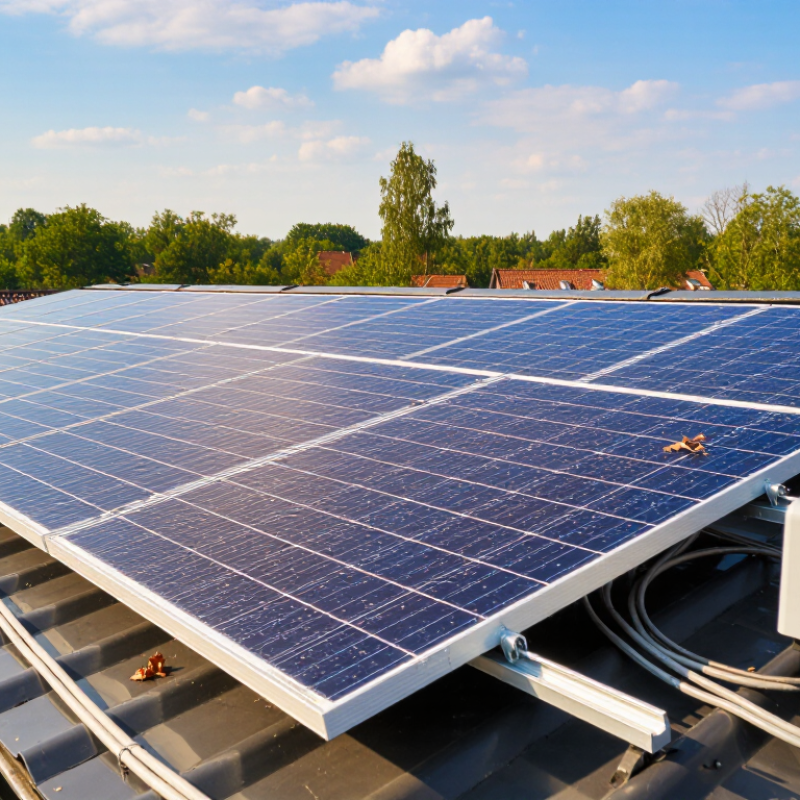
Leading Chinese solar panels typically combine tempered glass, silicon cells, encapsulant, a backsheet or rear glass, an aluminum frame, and a sealed junction box. Glass shields the cells from rain and debris. The frame supports the module, while the junction box carries power through connected cables. Small defects matter. Look for cracked glass, loose mounting hardware, damaged cable insulation, or dark marks near cell lines. A clean surface alone does not prove the panel is working properly.
Maintenance is usually modest, but local dust, pollen, and bird droppings can reduce output. Check the surface from the ground when possible, especially after strong winds or storms. If cleaning is needed, use water and a soft brush during cool hours; abrasive tools can scratch the glass. Do not tug on cables or open the junction box. Leave electrical checks to a qualified technician. Compare system output over time, allowing for changing weather and seasonal sunlight. One detail is easy to miss: rain may remove loose dust but leave sticky residue behind. Cleaning too often can also waste water, so follow the module maker’s care instructions and keep simple inspection records.
China Top Solar Panels What Maintenance Do They Need?
Routine visual checks can catch cracked glass, loose-looking clamps, bird nests, and shading from new branches. Walk around the array from a safe distance; note changes after storms, roof work, or seasonal growth. Look for lifted panel edges, rust streaks, pooled water, and cables rubbing against sharp surfaces. Do not touch exposed wiring or climb onto a roof without proper training and fall protection. A visual check cannot confirm electrical safety, but it can flag issues for a qualified technician.
Small clues matter. A 2013 review in Progress in Photovoltaics examined nearly 2,000 reported degradation rates and found a median rate of about 0.5% per year. That figure describes long-term output decline, not a diagnosis of any single system. Still, compare inverter readings with past records: a sudden drop alongside visible debris, damaged mounts, or a new shadow deserves attention. I sometimes find that “looks fine” is not a useful enough record.
Tips: Take dated photos from the same ground-level viewpoints every few months. Record unusual sounds, loose conduit, or dark marks near connections. Never pull at cables or tighten mounts yourself; arrange a professional inspection when anything appears damaged. Short notes help.
Solar panels usually need less cleaning than people expect, but dust, pollen, bird droppings, and dry-season grime can reduce the light reaching their surface. Check the system manual before cleaning; panel coatings and warranty terms may differ. A quick visual inspection from the ground is safer than climbing onto the roof. Never walk on the panels.
Clean only when the panels are cool, such as early morning or on an overcast day. Use clean water and a soft brush or sponge with a long handle. A gentle rinse is often enough. Avoid abrasive pads, harsh chemicals, and high-pressure jets, which can damage surfaces or seals. Do not pull or disturb cables. If roof access feels unstable, call a qualified solar technician instead.
There is no single ideal schedule. In many areas, an inspection every month and cleaning once or twice a year is a reasonable starting point. Dry, dusty locations or nearby trees may call for more frequent checks; regular rain may help, but it does not remove sticky residue. It is easy to assume rain handles everything. It sometimes does not. Compare output over time, and clean when visible deposits persist or performance drops without another clear cause.
| Maintenance Task | Recommended Frequency | Safe Method | Important Safety Notes |
|---|---|---|---|
| Visual inspection of panel surfaces | About every 3–6 months, and after severe weather | From the ground, look for heavy dirt, bird droppings, leaves, cracks, loose-looking parts, or new shading. | Do not climb onto panels. Arrange a qualified inspection if damage or loose components are suspected. |
| Routine panel cleaning | When visible soiling persists or system output is lower than expected; often once or twice a year in many locations | Use clean, cool or lukewarm water and a soft, non-abrasive brush or sponge. Follow the panel maker’s care instructions. | Clean when panels are cool, such as early morning or evening. Avoid sudden temperature changes. |
| Cleaning in dry, dusty, or agricultural areas | Inspect monthly during dusty seasons; clean only when buildup is significant | Rinse loose dust gently with water, then use a soft brush if needed. Check whether rainfall has already removed the residue. | Frequency depends on local dust, pollen, rainfall, tilt, and system performance. Avoid unnecessary cleaning. |
| Removing bird droppings or sticky deposits | As needed when deposits remain after rain or cover a noticeable area | Soften the deposit with water, then gently wipe with a soft sponge or cloth. | Do not scrape with blades or use abrasive pads, which may scratch the glass or damage coatings. |
| Checking nearby vegetation and shading | Every 3–6 months, with more frequent checks during growing seasons | Check from a safe location for branches, vines, or new objects casting shadows. Have trimming done by a qualified person when needed. | Keep clear of electrical equipment and do not trim branches near power lines yourself. |
| Inspecting cables, connectors, and mounting hardware | At least annually, or after storms; use a qualified solar professional | Have a professional check for visible wear, corrosion, loose connections, and mounting issues. | Do not touch, open, or disconnect electrical components. Solar equipment can remain hazardous even when the system is switched off. |
| Checking system performance | Review monitoring data monthly or whenever an alert appears | Compare production with the system’s usual performance, accounting for weather and seasonal daylight changes. | A drop in output can have several causes; ask a qualified technician to investigate persistent unexplained changes. |
| Cleaning products and equipment to avoid | At every cleaning | Use water and soft, non-abrasive tools unless the panel instructions specify otherwise. | Avoid high-pressure washers, harsh chemicals, abrasive materials, and walking or leaning on panels. Roof cleaning should be left to trained professionals. |
Good maintenance starts with a reliable performance baseline. Compare daily energy yield with past output, local weather, and expected seasonal changes. A sudden drop may point to shade, soiling, an inverter alarm, or a faulty string. Jordan and Kurtz’s NREL-hosted review examined nearly 2,000 reported photovoltaic degradation rates and found a median of about 0.5% per year. This is a fleet-level reference, not a pass-or-fail limit for one system.
Use monitoring software to check inverter status, string-level output, and alarm history. Look for repeated gaps, not just one cloudy day. The NREL guide Best Practices for Operation and Maintenance of Photovoltaic and Energy Storage Systems recommends structured monitoring and preventive maintenance. Keep notes on dates, weather, cleaning, and repairs. It is easy to over-trust a dashboard; sensors can drift, and a dirty sensor may distort comparisons. Small details matter.
Electrical checks deserve equal care. A trained technician can inspect connectors, cable routes, junction boxes, and grounding for looseness, corrosion, cracked insulation, or heat discoloration. Thermal imaging can help locate abnormal heating without opening energized equipment. Never handle live connections yourself. Record any defect and compare follow-up readings after repair. I would not assume every output dip means a panel has failed; sometimes the monitoring setup is the problem.
This illustrative example compares monthly energy yield with a site-specific expected yield, set at 100%. Review sustained deviations from expectations alongside weather and shading conditions. During routine maintenance, a qualified technician should also inspect electrical connections for looseness, corrosion, heat damage, and secure cable routing.
After hail, high winds, or heavy snow, inspect the system from the ground. Look for cracked glass, shifted panels, dangling cables, or debris near the roof. Do not climb onto wet or icy surfaces. Snow can temporarily reduce output, but scraping panels may damage their glass or coatings. IEA PVPS Task 13 reports that soiling can reduce global photovoltaic energy production by roughly 3–5% on average, though local conditions vary. Rain helps, but may leave pollen, dust, or bird droppings behind.
Contact a qualified solar technician if you see physical damage, exposed wiring, repeated inverter alarms, or a persistent drop in production after the weather clears. Share monitoring records and photos taken safely from the ground. A single cloudy day is not proof of a fault; compare output across several days and consider seasonal changes. I would not treat every dirty panel as urgent, and that judgment can be wrong without local inspection.
Tips: After storms, check the inverter display and note any warning codes. Never use a pressure washer or abrasive brush. If snow or debris is difficult to reach, leave the roof work to a technician.
From the ground, look for cracked glass, lifted edges, loose-looking clamps, rust streaks, and bird nests. Take dated photos. Looks fine is not always a useful record.
A monthly visual check is a reasonable starting point. Check again after storms, roof work, or seasonal branch growth. Keep it simple.
Once or twice a year may be enough in many areas. Dusty conditions, nearby trees, or sticky residue may call for more frequent cleaning. Rain does not remove everything.
Clean them when they are cool, using clean water and a soft brush or sponge with a long handle. Avoid harsh chemicals, abrasive pads, and high-pressure jets. Never walk on panels.
Stay on the ground and contact a qualified solar technician. Do not climb onto a roof without proper training and fall protection.
Compare daily energy output with past records, weather, and seasonal patterns. Look for repeated gaps or a sudden drop, not just one cloudy day.
No. It is a reported median across many systems, not a pass-or-fail limit for one installation. A sudden change needs separate attention.
A trained technician can inspect connectors, cable routes, junction boxes, and grounding. They may look for corrosion, cracked insulation, or heat discoloration. Never handle live connections yourself.
No. Shade, soiling, equipment alarms, or faulty readings can all affect results. Sensors can drift. A dashboard is useful, but it is not the whole story.
What maintenance do solar panels require? Leading solar panels generally need simple but consistent care to keep them working efficiently. Inspect the panels, mounting hardware, and visible wiring periodically for cracks, loose fittings, corrosion, or signs of wear. Remove dust, leaves, and other debris using clean water and a soft brush or cloth; avoid abrasive tools and harsh chemicals that could damage the surface. Cleaning needs vary with local rainfall, dust, and nearby trees, so check the panels when performance appears reduced rather than relying on a rigid schedule.
Monitor system output through its monitoring display or app and compare it with typical performance for similar weather conditions. Any persistent drop may indicate shading, a connection issue, or another fault. After severe wind, hail, or heavy snow, look for visible damage from a safe distance. Do not touch exposed wiring or climb onto the roof; contact a qualified solar technician for electrical checks, repairs, or problems you cannot safely assess.

GeoSyn Solar