Maintaining a solar inverter is crucial for optimal energy conversion. Understanding how to troubleshoot common solar inverter issues can save you time and money. Inverters are vital components of your solar power system, ensuring that the energy generated is usable. However, they can experience problems that hinder performance.
By familiarizing yourself with potential issues, you empower yourself with knowledge. It helps create a more resilient solar energy system. A common issue is a sudden drop in performance, often tied to faulty wiring or shade on panels. Another frequent problem involves error codes displayed on the inverter screen.
Many users feel overwhelmed when these problems arise. However, a structured approach can lead to effective resolutions. Knowing how to identify these issues is not just helpful; it is empowering. Embrace the learning process, and don’t hesitate to seek professional guidance when necessary.
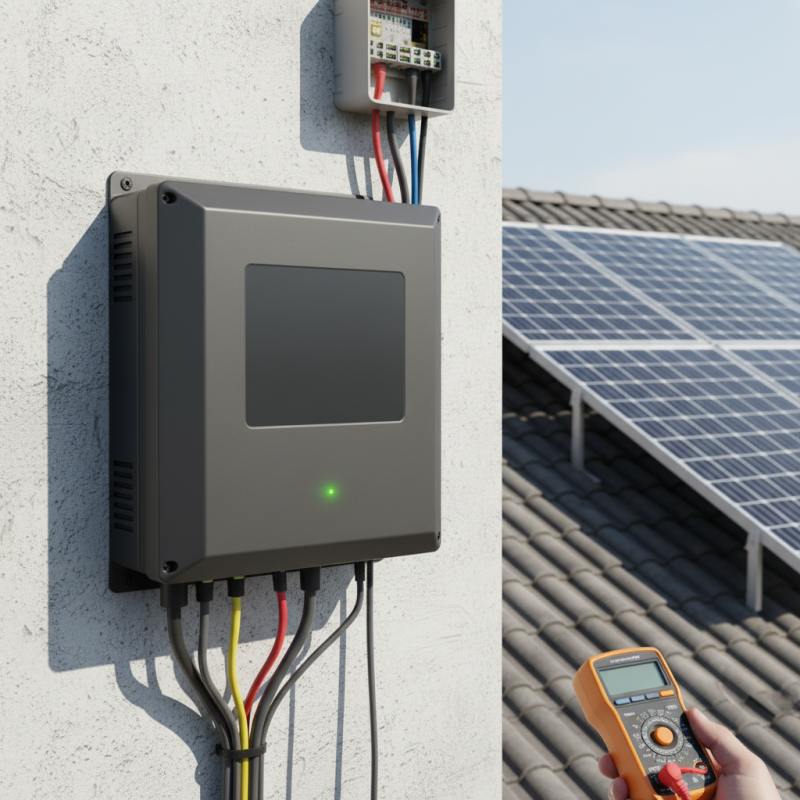
Understanding Solar Inverters: Key Components and Functionality
Understanding solar inverters is crucial for anyone interested in harnessing solar energy efficiently. Solar inverters convert direct current (DC) generated by solar panels into alternating current (AC) for use in homes. Key components include the inverter itself, transformers, and control systems. Each component plays a vital role in ensuring optimal performance and energy output.
According to a report by the International Energy Agency, solar inverters are responsible for about 15% of total system losses. This highlights the importance of understanding their functionality. A malfunctioning inverter can lead to significant energy loss. Common issues may arise from overheating, which can reduce efficiency. Regular maintenance is essential to prevent such problems. Monitoring performance data can help identify unusual patterns before they escalate.
Many users overlook the impact of environmental factors. Dust accumulation and temperature fluctuations can affect inverter performance. Data indicates that inverters may degrade more quickly in hotter climates. This shows that location plays a critical role in inverter longevity. Addressing these concerns requires a proactive approach to maintenance. Periodic inspections can reveal hidden issues before they become costly repairs.
Common Solar Inverter Issues and Their Symptoms
Solar inverters are crucial for converting solar energy into usable electricity. However, they can face common issues, which may disrupt their performance. Understanding the symptoms of these problems is vital for any solar system owner. The International Renewable Energy Agency (IRENA) reports that up to 10% of solar inverters may experience technical faults each year.
One frequent issue is overheating. This often leads to system shutdowns. If your inverter is hot to the touch, it may indicate inadequate ventilation or a malfunctioning fan. Here's a tip: ensure the inverter is installed in a shaded, well-ventilated area to enhance cooling.
Another common issue is low energy output. Signs like decreased performance or sudden drops in daily energy generation may arise. Research shows that issues in wiring or panel alignment may contribute to this. Regular maintenance checks can identify these faults early. Tip: routinely examine connections and ensure optimal panel positioning to maximize output.
In some cases, inverter errors manifest through blinking lights. These indicators can help troubleshoot specific problems. Keeping track of these signals can make a difference in diagnosing issues promptly. Always refer to the inverter manual for detailed meanings of these alerts. Regular monitoring and maintenance are essential for maximizing the longevity and efficiency of your solar inverter system.
China Best Guide to Troubleshoot Common Solar Inverter Issues
| Issue |
Symptoms |
Possible Causes |
Troubleshooting Steps |
| Inverter Not Starting |
No display, no sound |
No power supply, internal fault |
Check power source, restart the inverter |
| Overheating |
Warning lights on, shutdown |
Poor ventilation, high ambient temperature |
Ensure proper airflow, check temperature |
| Low Output Power |
Reduced energy generation |
Shading, dirt or debris on panels |
Clean panels, check for shading |
| Frequent Shutdowns |
Inverter turns off and on |
Faulty connections, grid issues |
Inspect connections, verify grid stability |
| Display Errors |
Error codes on screen |
Component malfunction, communication error |
Refer to user manual for error codes, reset inverter |
Step-by-Step Troubleshooting Techniques for Solar Inverter Problems
Solar inverters are essential for converting DC power from solar panels into AC power for your home. However, issues can arise that may disrupt their efficiency. Troubleshooting these problems requires a systematic approach. Begin by checking the inverter's display for error codes. These codes provide insight into specific issues. If the screen is blank, inspect the inverter’s power supply and connections. Loose wires can cause significant malfunctions.
Tip: Regularly cleaning your inverter helps prevent dust buildup, which can lead to overheating.
Next, assess the wiring and fuses. Damaged wires can cause significant power loss. Ensure all components are securely connected. If you hear unusual sounds, such as buzzing, this could indicate internal faults. Monitoring the inverter’s temperature is equally important. An overheating inverter often correlates with performance issues.
Tip: Keep an eye on temperature levels to gauge performance. If you notice it consistently runs hot, adjustments may be necessary.
Lastly, check for external factors such as shade on the solar panels. Debris or trees can obstruct sunlight, affecting the inverter's efficiency. If problems persist, consulting a professional is recommended. Engaging an expert can offer deeper insights, especially for complex issues, enhancing your solar system's overall reliability.
Preventative Maintenance Tips to Enhance Inverter Lifespan
Maintaining a solar inverter is crucial for longevity and performance. Regular checks can prevent minor issues from escalating. Start by inspecting the inverter's connections. Loose or corroded wires can lead to overheating. Check the inverter display frequently for error codes. These signals indicate a need for immediate attention.
Cleaning is vital, too. Dust and debris can obstruct airflow. Ensure the inverter’s cooling fans are free from clogs. It may seem simple, but neglecting this can reduce efficiency. Monitor the temperatures as well. Extreme heat can shorten the inverter's lifespan drastically.
Consider scheduling routine professional evaluations. Experts can identify hidden problems. They can also recommend upgrades or better settings. Small neglects can have big consequences over time. It's essential to remain vigilant, as every component plays a role in the system's overall health.
When to Seek Professional Help for Solar Inverter Issues
Solar inverters are key components of photovoltaic systems. They convert solar energy into usable electricity. However, like all technology, they can face issues. Knowing when to seek professional help is crucial. A small problem can escalate into a large one if not addressed timely.
Signs of malfunction include unusual noises, error codes, or drops in energy output. If your inverter is consistently underperforming, it may indicate deeper issues. It’s important to document these symptoms. Sometimes, DIY fixes seem appealing. Yet, without proper knowledge, you could cause more harm. Misdiagnosing an issue is common and can lead to safety risks.
Professional technicians have the expertise to troubleshoot effectively. They can assess the inverter's condition and suggest needed repairs. Ignoring significant issues may not only damage your system but also affect your energy bills. Seeking expert help is often the best course of action. It ensures your solar system runs efficiently and safely, providing peace of mind for homeowners.
Conclusion
This guide provides a comprehensive overview on how to troubleshoot common solar inverter issues effectively. It begins with an understanding of the key components and functionalities of solar inverters, which are crucial for their operation. The article then highlights common issues that users may encounter, along with their symptoms, making it easier to identify problems early on.
In addition, the guide outlines step-by-step troubleshooting techniques for resolving various solar inverter problems, empowering users to take corrective action. Preventative maintenance tips are also provided to enhance the lifespan of inverters, ensuring they function optimally over time. Finally, it advises on when to seek professional help for solar inverter issues, ensuring safety and efficiency in solar energy systems. Overall, this resource is essential for anyone looking to effectively manage their solar inverter performance by learning how to troubleshoot common solar inverter issues.

 GeoSyn Solar