When planning outdoor adventures, having a reliable solar charger is essential. Many enthusiasts grapple with the question, **"How to choose the right solar charger for outdoor use?"** Outdoor expert Sarah Thompson emphasizes, "The right solar charger can turn a good trip into a great one." With her extensive experience, she knows that the right equipment makes all the difference.
Choosing a solar charger isn't just about brand names or price. It involves understanding your needs and the environment you will encounter. For example, consider the charger’s output capacity. You want one capable of powering multiple devices. Inconsistent weather can lead to inefficient charging, so durability is key.
Consider size and weight too. A bulky charger might be more reliable, but it can be cumbersome on long hikes. Striking the right balance is crucial. You may find yourself in situations requiring quick decisions. Reflecting on personal experiences will guide you. Explore user reviews and expert opinions. These insights help uncover the most suitable options for your adventures.
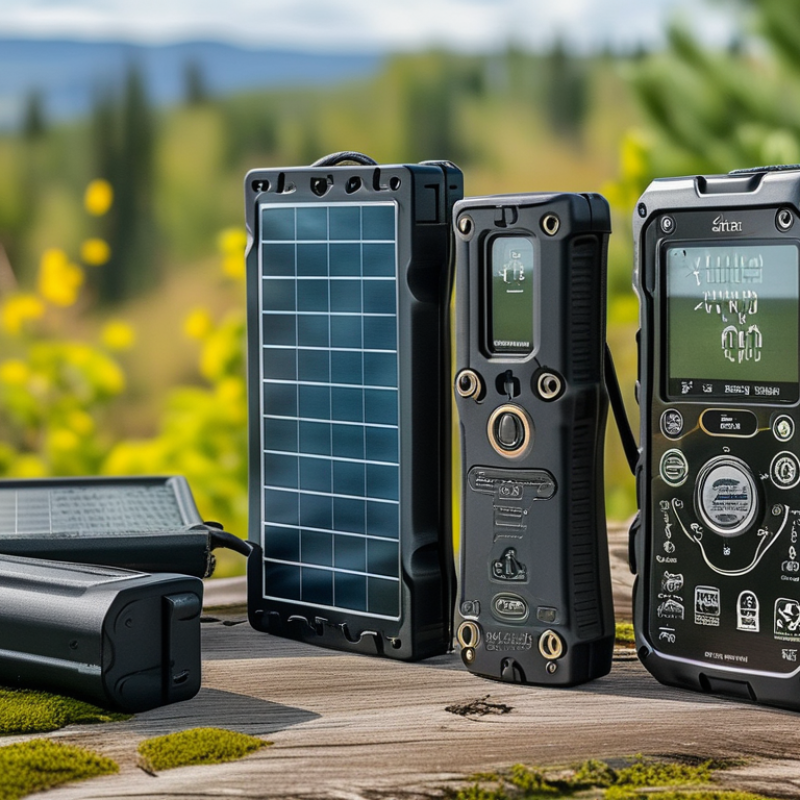
When venturing into the great outdoors, understanding solar chargers is essential. These devices harness sunlight to power electronic gadgets, making them vital for camping or hiking. They are lightweight and portable, ideal for outdoor adventures. Choosing an effective solar charger involves considering its wattage and capacity. Higher wattage provides faster charging. However, larger capacity often means more weight.
Tips: Look for lightweight options with foldable designs. They can be conveniently packed in your backpack. Check the efficiency rating of the solar panels. Some panels provide better energy conversion than others, impacting charging times. It's wise to read user reviews or forums to gauge real-world performance.
Also, consider the weather conditions. Some solar chargers perform poorly on cloudy or rainy days. Knowing your environment can help you pick the right model. Additionally, prioritize durability. Outdoor gear must withstand rough conditions. Remember, not all solar chargers are made equal. It's important to reflect on your specific needs. Always test your charger before a long trip to ensure reliability.
When selecting a solar charger for outdoor adventures, there are critical features to weigh. Battery capacity is paramount. A higher capacity means longer device usage between charges. Look for chargers above 10,000mAh. This ensures your gadgets remain powered throughout a weekend trip. However, such high capacity can make chargers bulky and heavy. This weight may deter some users. Finding a balance is essential.
Another important feature is solar panel efficiency. More efficient panels can charge devices faster. Choose panels with at least 20% efficiency. This reduces wait time under the sun. Yet, efficiency can dwindle in cloudy conditions, leaving users disappointed. Understanding your environment is crucial for making the best choice.
Size and portability matter too. Compact and lightweight designs enhance mobility. However, a small design may sacrifice power output. This trade-off needs careful consideration. A charger that is easy to carry yet delivers enough power enhances the outdoor experience. Remember, not all adventurous settings are sunny. Evaluate your needs closely before making a decision. It may involve trial and error to find the ideal match for your adventures.
When choosing a solar charger for outdoor adventures, understanding the types available is crucial. There are portable solar panels, solar power banks, and solar blankets. Each serves a unique purpose and has different advantages. Portable solar panels are ideal for charging multiple devices but can be bulky. They can produce energy quickly, especially in direct sunlight.
On the other hand, solar power banks are compact and lightweight. They can store energy for later use, making them perfect for hiking or camping. These chargers usually come with built-in batteries, allowing for overnight charging. Solar blankets offer a versatile option, as they can easily cover a larger area. However, their efficiency can be inconsistent in shaded conditions.
Considering the dimensions and weight is also important. A lightweight option is beneficial for long treks. Reflecting on personal needs will guide you to the best choice. Determine how much power you'll need throughout your trip. Think about how often you can recharge the device. Each type has its pros and cons. Take time to evaluate them against your adventure plans.
When choosing a solar charger for outdoor activities, charging speed is crucial. Studies indicate that charging efficiency can vary significantly. Good quality solar chargers can reach a conversion rate of about 20-23%. This means a well-placed panel on a sunny day can provide ample energy for small devices.
It is essential to consider the solar panel's wattage. A panel rated at 10 watts typically offers enough power for basic gadgets. In comparison, a 20-watt panel can charge larger devices much faster. However, higher wattage often means higher weight. Outdoor enthusiasts must balance portability and power.
Efficiency also relies on environmental factors. The angle of sunlight can affect performance. A charger positioned directly under the sun can charge up to 50% faster than those shaded. A little research goes a long way in understanding your energy requirements. Some users find their chargers underperforming in cloudy conditions or at dusk, a reality check on expectations.
| Model | Charging Speed (W) | Efficiency (%) | Port Type | Weight (lbs) | Water Resistance |
|---|---|---|---|---|---|
| Model A | 10 | 22 | USB-A | 1.2 | Yes |
| Model B | 15 | 24 | USB-C | 1.5 | No |
| Model C | 20 | 27 | USB-A & USB-C | 1.8 | Yes |
| Model D | 25 | 30 | USB-C | 2.0 | Yes |
When selecting a solar charger for outdoor adventures, understanding the key attributes is essential. Durability is crucial; look for models made from rugged, water-resistant materials. Portability matters, especially when hiking or camping. Compact designs can easily fit into a backpack without adding extra weight. Battery capacity is another aspect; it should match your energy needs during your trips.
**Tips:** Pay attention to the amperage rating. A higher amperage allows for faster charging. Consider a solar charger that comes with multiple ports for charging multiple devices simultaneously. Adjustable solar panels can maximize sunlight absorption. Always check reviews for real-world performance feedback.
Some models can be more complex than they seem. They may have extra features that complicate use. Simplifying your choices might enhance your experience outdoors. If you're unclear about your needs, consult with experienced users or trusted outdoor gear reviews. This can provide insights that aren't available in product descriptions.
: Battery capacity indicates how long devices can be powered. A capacity above 10,000mAh is ideal for extended use.
Higher efficiency panels charge devices faster. Look for at least 20% efficiency to reduce wait times in the sun.
Yes, smaller designs often sacrifice power output. It’s vital to balance size and efficiency based on your needs.
There are portable solar panels, solar power banks, and solar blankets. Each serves specific purposes for different activities.
A lightweight, compact design is crucial for outdoor activities. It should fit easily in a backpack without adding weight.
Consider your power needs and how often you can recharge. Evaluate different types based on your adventure plans.
Look for rugged, water-resistant materials. Durability ensures your charger can withstand outdoor conditions while being functional.
Yes, complicated features may hinder ease of use. Simplicity might enhance your outdoor experience, so consider your comfort and needs.
Absolutely, reviews provide real-world feedback. They may reveal performance insights that product descriptions do not cover.
A higher amperage allows for faster charging. Multiple ports for simultaneous charging can also enhance usability on trips.
When considering how to choose the right solar charger for outdoor use, it's essential to understand the basics of solar technology and how it applies to your outdoor adventures. Key features to look for include size, weight, durability, and the types of devices compatible with the charger. Comparing different types of solar chargers, such as foldable, portable, and solar backpacks, can help tailor your choice to specific adventure activities like hiking, camping, or backpacking.
Charging speed and efficiency are also critical factors to ensure that your devices are powered quickly and reliably during your outings. By evaluating these elements, outdoor enthusiasts can make informed decisions about the best solar chargers available, enabling them to stay connected and powered up while enjoying nature.

GeoSyn Solar