5 Best Hybrid Solar Systems How Do They Work?

Time:2026-09-08 Author:Ethan
0%

What are hybrid solar systems and how do they work? This question matters as electricity prices rise and outages become more disruptive. A hybrid system combines solar panels, a battery, an inverter, and the public grid. Some designs also include a backup generator. During daylight, panels power household loads first. Extra electricity charges the battery. After sunset, stored energy can run lights, refrigerators, and internet equipment.

The International Energy Agency reported that global solar photovoltaic capacity reached more than 1,400 gigawatts by the end of 2023. Its Renewables 2024 report also recorded nearly 510 gigawatts of renewable capacity added worldwide in 2023. These figures show strong solar growth, but panels alone cannot guarantee power after dark. Storage changes that equation.

NREL researcher Paul Denholm explains, “Energy storage can provide a variety of services to the grid, including energy shifting, frequency regulation, and reserves.” His observation clarifies the battery’s role. It is not merely an emergency box. It can move midday solar power into evening demand.

Real-world performance depends on battery size, inverter limits, shading, temperature, and household consumption. A small battery may protect essential circuits but not an entire home. That distinction is easy to miss. The best system is not automatically the largest or most expensive one.

This guide compares five leading hybrid solar systems and explains their operating logic, practical strengths, and limitations. Manufacturer claims still require careful checking. Independent testing and installer experience matter.
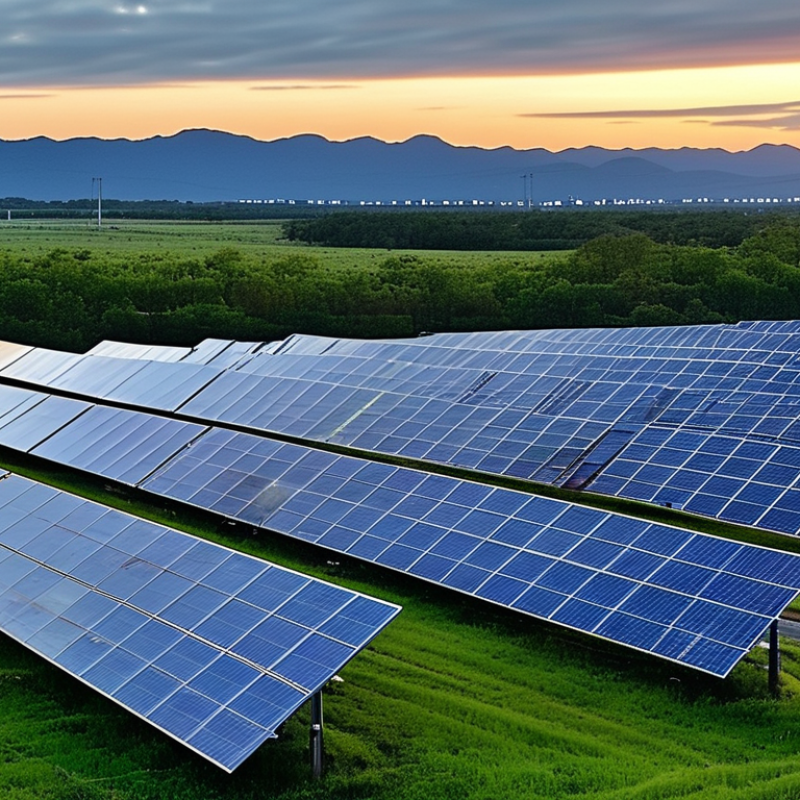
5 Best Hybrid Solar Systems How Do They Work?

What Is a Hybrid Solar System?

A hybrid solar system combines rooftop solar panels, a battery, and a connection to the electrical grid. The panels produce direct-current electricity, while an inverter changes it into usable household power. A battery stores extra daytime energy for later use. It can power lights, a refrigerator, or a router after sunset.

The system usually prioritizes solar energy first. Your home uses the power produced on the roof. Surplus electricity charges the battery. When sunlight fades, stored energy supplies selected circuits. If the battery becomes low, the grid can provide support. During an outage, a properly configured system may keep essential loads running. However, it will not automatically power every appliance.

A hybrid system is not simply a larger solar setup. Its control software must balance production, storage, household demand, and battery protection. For example, a 10-kilowatt-hour battery may cover evening essentials, but heavy heating or cooling can drain it quickly. Cloudy weather also changes the result. It is easy to overestimate backup time. A professional assessment should examine roof orientation, local sunlight, wiring, safety rules, and your hourly electricity use. Battery placement matters too. A cool, dry, accessible location can support safer operation and easier inspection. Some systems still need occasional grid electricity, and that is not a design failure. Perfect energy independence is often unrealistic for an ordinary home.

How Hybrid Solar Systems Generate and Store Energy

A hybrid solar system combines rooftop panels, a battery, an inverter, and the utility grid. Solar panels produce direct-current electricity when sunlight reaches their cells. The inverter changes this energy into alternating current for household appliances. A smart control system then directs power where it is most useful.

During daylight, solar energy usually serves running appliances first. Extra electricity charges the battery instead of being wasted. When clouds reduce production, stored energy can support lights, refrigerators, and communication devices. At night, the battery supplies power until its reserve reaches a preset level. The grid can provide additional electricity when solar generation and storage are insufficient.

The process is practical, but not perfect. Battery capacity, temperature, household demand, and inverter efficiency all affect performance. A battery may fill quickly on a bright afternoon, then empty before sunrise after heavy evening use. Small errors in load estimates matter. For example, an electric heater can consume more energy than several lights combined. Accurate monitoring helps reveal these patterns through daily production and consumption data. Professional installation should include correct wiring, ventilation, protective equipment, and compliance with local electrical rules. A properly sized system can improve energy resilience, yet it still requires realistic expectations and occasional maintenance.

Key Components of a Hybrid Solar Setup

A hybrid solar system combines solar panels, a hybrid inverter, batteries, and a utility meter. The inverter converts panel electricity from DC to usable AC power. It also controls battery charging and household energy flow. A backup-loads panel can keep essential circuits running during an outage. These circuits may include lights, refrigeration, internet equipment, and a water pump. Large heating systems usually need a much larger battery.

During sunny hours, solar power serves active household loads before charging the battery. Extra energy may flow to the grid, depending on local rules and system settings. At night, stored energy supplies selected circuits. If the battery becomes low, the system can draw power from the grid. During an outage, the inverter must disconnect safely from the grid before backup power begins. A common mistake is expecting one battery to operate an entire home all night. Real performance depends on battery capacity, weather, wiring losses, and peak demand.

Tips: Record your evening electricity use before choosing battery size. Ask for a clear backup-circuit diagram and tested shutdown procedure. Keep batteries in a dry, ventilated location. Professional installation matters. Even careful planning can miss short, high-power loads, so review the design after monitoring actual use.

5 Best Hybrid Solar Systems: How Do They Work? – Key Components of a Hybrid Solar Setup

Comparison of common hybrid solar system configurations. Performance figures are typical industry ranges and vary according to system design, climate, installation quality, and local regulations.

Hybrid System Type How It Works Key Components Typical Solar Capacity Battery Chemistry Typical Round-Trip Efficiency Best Use Case Main Advantage
AC-Coupled Hybrid System Solar electricity is converted to AC by a solar inverter. A separate battery inverter converts excess AC power to DC for storage and converts it back to AC when the energy is needed. Solar panels, solar inverter, battery bank, battery inverter or charger, energy management system, meter, and optional backup panel. 3–20 kW for residential and small commercial installations Lithium iron phosphate or other lithium-ion; lead-acid is also possible Approximately 80–90% Adding battery storage to an existing solar installation Flexible retrofit option with minimal changes to the existing solar array
DC-Coupled Hybrid System Solar panels and batteries share a DC bus. Solar energy can charge the battery directly before the hybrid inverter converts power to AC for household or grid use. Solar panels, DC combiner, charge controller, hybrid inverter, battery bank, protection equipment, meter, and backup-load panel. 3–30 kW for residential, agricultural, and small commercial systems Lithium iron phosphate is commonly selected; lead-acid can be used in some designs Approximately 85–95% New installations where solar production and battery storage are planned together Lower conversion losses when charging batteries directly from the solar array
All-in-One Hybrid System The inverter, battery controls, monitoring hardware, and sometimes the battery modules are integrated into one coordinated enclosure. Solar panels, integrated hybrid inverter, modular battery, battery management system, automatic transfer equipment, and monitoring gateway. 2–15 kW for typical homes and small businesses Usually lithium iron phosphate because of its long cycle life and thermal stability Approximately 85–95% Homes seeking a compact, streamlined, and easier-to-manage installation Simplified installation, coordinated controls, and reduced equipment footprint
Grid-Interactive Backup System The system operates with the utility grid during normal conditions and automatically isolates selected circuits during an outage while solar and batteries continue supplying backup loads. Solar array, hybrid inverter, battery storage, automatic transfer switch, critical-loads panel, utility meter, and monitoring system. 5–50 kW depending on household, commercial, or light-industrial demand Lithium iron phosphate or other approved lithium-ion technologies Approximately 82–94% Locations with frequent outages but reliable grid service during normal operation Provides automatic backup while allowing grid interaction, load control, and possible time-of-use savings
Off-Grid Hybrid System Solar panels charge the battery bank and supply loads through an inverter. A generator or other auxiliary source starts when solar production and battery energy are insufficient. Solar panels, charge controller, off-grid inverter, battery bank, generator, automatic start controller, load panel, and energy monitoring equipment. 2–100 kW depending on load size and site conditions Lithium iron phosphate for frequent cycling; lead-acid may be used for lower upfront cost Approximately 75–92% Remote homes, telecommunications sites, farms, and areas without dependable grid access Can provide electricity without a utility connection when correctly sized and managed
Typical hybrid-system energy flow: Solar panels generate DC electricity → the hybrid inverter manages conversion and distribution → household loads use available power first → excess energy charges the battery → remaining surplus may be exported to the grid → stored energy supplies loads when solar production is low or the grid is unavailable.

How to Compare the Five Best Hybrid Solar Systems

Comparing the five best hybrid solar systems requires more than checking battery capacity. Each system combines solar panels, an inverter, batteries, and grid power differently. The first option is AC-coupled, which suits homes adding batteries to existing solar arrays. It is flexible, but energy passes through more conversion stages. The second is DC-coupled, connecting panels and batteries before inversion. This design can reduce conversion losses, although installation may be less convenient during retrofits.

The third option uses an all-in-one inverter and battery cabinet. It saves wall space and simplifies monitoring. The fourth uses modular batteries, allowing capacity to grow with household demand. This works well when future electricity use is uncertain. The fifth includes generator support, which may benefit rural homes or areas with frequent outages. It can add resilience, but fuel storage, noise, maintenance, and local regulations deserve careful attention.

I compare each system by usable battery capacity, continuous output, surge performance, round-trip efficiency, and backup switching time. Safety certifications and installer qualifications matter just as much. A large battery is not automatically better. An undersized inverter may struggle with pumps, refrigerators, or workshop tools. A spreadsheet rarely captures morning shade or winter heating loads. I once overlooked standby consumption in a comparison; the projected savings became less convincing. Ask for hourly production estimates, warranty conditions, replacement costs, and clear shutdown procedures. Solar access changes seasonally. That detail can alter the ranking.

Choosing the Right Hybrid Solar System for Your Needs

Choosing the Right Hybrid Solar System for Your Needs

A hybrid solar system combines solar panels, batteries, and grid power. Some systems also support a backup generator. The right design depends on your electricity profile, not panel size alone. Review hourly consumption, roof shading, outage frequency, and available installation space. A household using 12 kWh daily needs different storage than a home with an electric vehicle.

Battery capacity matters, but usable capacity matters more. A battery rated at 10 kWh may provide less after reserve limits and conversion losses. Ask installers about round-trip efficiency, operating temperature, warranty conditions, and expected cycle life. The International Energy Agency reported that global battery storage additions more than doubled in 2023. Its Electricity 2024 analysis also indicates that storage capacity must expand sharply by 2030.

Do not oversize blindly.

For frequent outages, prioritize essential-load circuits, such as refrigeration, lighting, medical equipment, and internet equipment. For high evening consumption, a larger battery may improve solar self-consumption. Export rules and electricity tariffs can change the financial result. The International Renewable Energy Agency reported that solar capacity reached about 1,419 GW globally by the end of 2023, showing rapid market growth but not guaranteeing local savings. A professional site assessment remains necessary. I would question any proposal promising perfect independence. Weather, seasonal demand, battery aging, and installation errors still matter. A smaller system with clear monitoring can be more reliable than an impressive system nobody understands.

FAQS

: What is a hybrid solar system?

: It combines rooftop panels, batteries, an inverter, and the utility grid. The inverter changes solar electricity into usable household power.

How does the system work during sunny hours?

Solar power runs appliances first. Extra electricity charges the battery. Some systems may send remaining power to the grid.

What happens at night?

The battery supplies selected household circuits after sunset. These may include lights, refrigeration, internet equipment, and a water pump. It stops at a preset reserve level.

Can the system operate during a power outage?

Yes, if it includes backup circuits and enough stored energy. The inverter must disconnect from the grid safely. Then backup power can begin.

Can one battery power an entire home overnight?

Not always. Capacity, evening demand, weather, and wiring losses affect performance. An electric heater may drain a battery faster than several lights.

How should I choose battery size?

Record evening electricity use before choosing. Include refrigerators, pumps, heaters, and communication devices. A bright afternoon can still end with an empty battery before sunrise.

What differences exist between system designs?

AC-coupled systems can suit homes adding batteries to existing solar arrays. DC-coupled systems may reduce conversion losses. All-in-one cabinets save space, while modular batteries allow future expansion.

What specifications should I compare?

Check usable battery capacity, continuous output, surge performance, and switching time. Review round-trip efficiency, safety certifications, warranty terms, and replacement costs. A large battery is not automatically better.

Where should batteries be installed?

Use a dry, ventilated location with suitable protective equipment. Professional wiring and local electrical compliance matter. A careful design can still miss short, powerful loads.

Conclusion

Hybrid solar systems combine solar panels with battery storage and a connection to the electrical grid, allowing households to produce, store, and use energy more flexibly. What are hybrid solar systems and how do they work? During daylight, solar panels convert sunlight into electricity for immediate use, while excess power charges the battery. When solar production is low, stored energy can supply the home, reducing reliance on the grid and helping maintain power during outages when backup capability is available.

A typical hybrid setup includes solar panels, an inverter, batteries, monitoring equipment, and control software that manages energy flow. When comparing the five best hybrid solar systems, users should consider efficiency, battery capacity, durability, warranty coverage, installation requirements, expandability, and overall cost. The right choice depends on household energy consumption, local sunlight conditions, backup power needs, available space, and budget. A carefully selected system can improve energy independence, lower electricity expenses, and make better use of renewable power.

Ethan

Ethan

Ethan is a seasoned marketing professional with a deep expertise in our company's innovative product line. With a passion for sharing knowledge and insights, he takes the lead in regularly updating our corporate blog, where he explores industry trends, product features, and effective marketing......