As the world shifts towards sustainable energy, many are asking, "What are the benefits of off-grid solar systems?" According to a report by the International Renewable Energy Agency (IRENA), solar energy could supply up to 30% of global power by 2050. Off-grid systems offer independence from traditional energy sources. This is crucial as energy demand surges, especially in remote areas.
These systems provide reliable electricity. They are particularly valuable during power outages or in regions lacking grid infrastructure. A National Renewable Energy Laboratory (NREL) study highlighted a 60% cost reduction in energy bills for off-grid solar users over a decade. However, initial setup costs can be daunting. Potential users may need to reflect on their financial readiness to make the switch.
Furthermore, off-grid systems promote energy security. The Global Energy Monitor reveals that countries investing in renewable sources are less vulnerable to fuel price fluctuations. This resilience underscores the importance of exploring off-grid solar options. Yet, some may find the technology complex and require extensive research. Balancing benefits and challenges is essential for informed decisions.
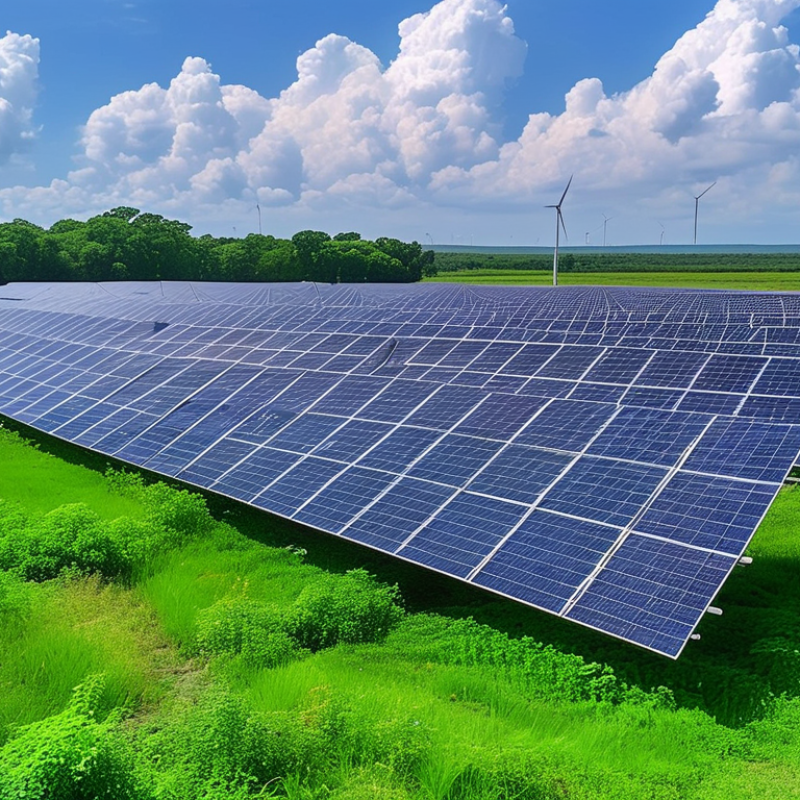
Off-grid solar systems offer a transformative energy solution. They allow households to generate power independently, eliminating reliance on traditional grids. These systems typically include solar panels, batteries, and inverters. Many people find them appealing for their sustainability and cost-effective nature.
Understanding how off-grid solar works is crucial. Solar panels capture sunlight, converting it into electricity. This energy can be stored in batteries for nighttime use or cloudy days. It’s a reliable system for remote areas where grid access might be limited. However, it requires planning and investment.
While off-grid systems provide autonomy, there are challenges. Initial costs can be high, and maintenance requires knowledge and effort. Selecting the right components is vital, as low-quality equipment can lead to inefficiencies. As technology improves, many users find the transition to off-grid living more accessible. It’s important to weigh these aspects before making a commitment. The journey to energy independence can be rewarding, but it demands careful reflection and understanding.
This bar chart illustrates the key benefits of off-grid solar systems based on a scoring system. The metrics include cost savings, energy independence, environmental impact, low maintenance, and increased property value, each rated on a scale from 1 to 10, highlighting the effectiveness and advantages of opting for off-grid solar solutions.
Off-grid solar systems offer a pathway to energy independence. Many homeowners are increasingly attracted to this option, particularly in areas with limited access to the power grid. According to the International Energy Agency (IEA), over 1 billion people worldwide live without reliable electricity. Off-grid solutions can provide them with consistent energy. The flexibility of solar allows for customized systems based on individual energy needs.
One notable advantage is cost savings over time. The National Renewable Energy Laboratory (NREL) reports that off-grid solar installations can reduce electricity bills significantly. These savings accumulate, making it a wise long-term investment. Additionally, off-grid systems use renewable resources, lessening our carbon footprint. While it requires an upfront investment, the payback period can be shorter than expected in areas with high electricity costs.
Yet, challenges exist. Off-grid solar systems depend on battery storage, which may not always provide sufficient backup during cloudy days. The technology is improving, but it’s not perfect. Maintenance is also essential; neglecting system upkeep can lead to decreased efficiency. Some users find it challenging to gauge their energy consumption accurately. Balancing usage and generation is crucial for optimal performance. Factors like location and climate must be considered for a successful setup.
Off-grid solar systems offer significant financial advantages for homeowners. By producing your own electricity, you can reduce or even eliminate monthly utility bills. According to the Solar Energy Industries Association (SEIA), homeowners can save an average of 20-30% on energy costs over the life of their system. This is notable, especially as energy prices continue to rise.
Switching to off-grid solar can also raise your property value. A study from the Lawrence Berkeley National Laboratory found that homes with solar systems sell for about 4% more than comparable homes without solar. Investing in an off-grid system not only yields long-term savings but also makes your home more attractive in a competitive real estate market.
Tips: Consider your local climate and energy needs when sizing your system. Work with certified professionals to ensure the best performance. Research available incentives and rebates to maximize your savings. It’s crucial to evaluate your energy consumption accurately. An undersized system might not meet your needs, while an oversized one could waste resources. Balancing efficiency and cost is key to a successful solar investment.
Off-grid solar systems present significant opportunities for reducing our carbon footprint. By harnessing renewable energy, these systems can effectively eliminate reliance on fossil fuels. According to the International Renewable Energy Agency (IRENA), transitioning to solar energy could cut greenhouse gas emissions by up to 70%. This remarkable statistic emphasizes the urgency of adopting sustainable practices.
Moreover, off-grid systems perform well in remote areas where traditional power sources are scarce. Homes powered by solar energy produce no direct emissions during operation. Recent studies show that a typical solar energy system can offset approximately 80 tons of carbon dioxide over its lifetime. Such reductions are crucial in mitigating the adverse effects of climate change.
Despite these benefits, there are challenges. The initial investment costs can be high, and not everyone can afford the technology. Additionally, maintenance and battery storage add complexity to the equation. Some locations may experience inconsistent sunlight, which can impact energy generation. These factors must be carefully considered to enhance the overall effectiveness of off-grid solar systems.
Off-grid solar systems provide a sustainable solution for energy autonomy. They can power homes, cabins, or remote sites without relying on utility grids. The installation of these systems requires careful planning and knowledge. According to the U.S. Department of Energy, the average installation cost ranges between $10,000 and $30,000 for a standard off-grid setup, including solar panels, inverters, and batteries.
Choosing the right components is essential for performance and reliability. Quality solar panels can convert sunlight efficiently, but installation can be tricky. Improper placement reduces energy production. Regular maintenance is crucial for optimal performance. Battery maintenance, for instance, involves monitoring charge levels and water levels in lead-acid batteries, which can be time-consuming. Neglecting these tasks can diminish lifespan and efficiency.
Local climate affects energy generation. In regions with less sunlight, system design should account for storage needs. Homeowners must also consider energy usage patterns. A common mistake is underestimating energy consumption, leading to insufficient power supply. Experts suggest calculating daily energy needs thoroughly before installation. That ensures a well-functioning, sustainable system aligned with the user's lifestyle.
: Off-grid solar systems allow households to generate their own power independently from traditional grids.
Solar panels capture sunlight and convert it into electricity, which can be stored in batteries for later use.
Homeowners can save 20-30% on energy costs and may increase property value by 4% with a solar system.
Initial costs can be high, and selecting quality components is vital for efficiency and reliability.
Regular maintenance, like monitoring battery levels, is crucial; neglecting it can reduce system lifespan and efficiency.
Local climate, energy consumption patterns, and accurate system sizing are key for optimal performance and sustainability.
Thoroughly calculate daily energy needs to avoid insufficient power supply or resource wastage with an oversized system.
Underestimating energy consumption or improper placement can lead to inefficiencies and insufficient power generation.
Yes, but system design must account for storage needs to ensure reliable energy supply in such regions.
Yes, consulting certified professionals can help optimize system performance and ensure proper installation.
Off-grid solar systems are increasingly popular for individuals seeking energy independence and sustainability. These systems operate independently of the grid, allowing users to generate and store their own electricity. What are the benefits of off-grid solar systems? Firstly, they provide energy independence, ensuring a reliable power supply regardless of grid outages. Financially, users can save significantly on electricity bills, as well as avoid the rising costs of traditional energy sources.
Moreover, off-grid solar systems contribute to environmental sustainability by reducing reliance on fossil fuels and minimizing carbon footprints. They promote the use of clean energy, helping combat climate change. Finally, while the installation and maintenance of these systems require careful planning, the long-term benefits often outweigh the initial investments, making them a viable option for eco-conscious homeowners. Overall, off-grid solar systems offer a practical solution for those aiming to achieve energy independence and contribute positively to the environment.

GeoSyn Solar